Light Vortices Stir Up Turbulence express
In a container the size of a coin, light behaves like water: it gathers into a single quantum fluid. When energy is added, whirlpools, quantum vortices, spin up on their own. Each vortex is like a tiny whirlpool that cannot simply disappear.
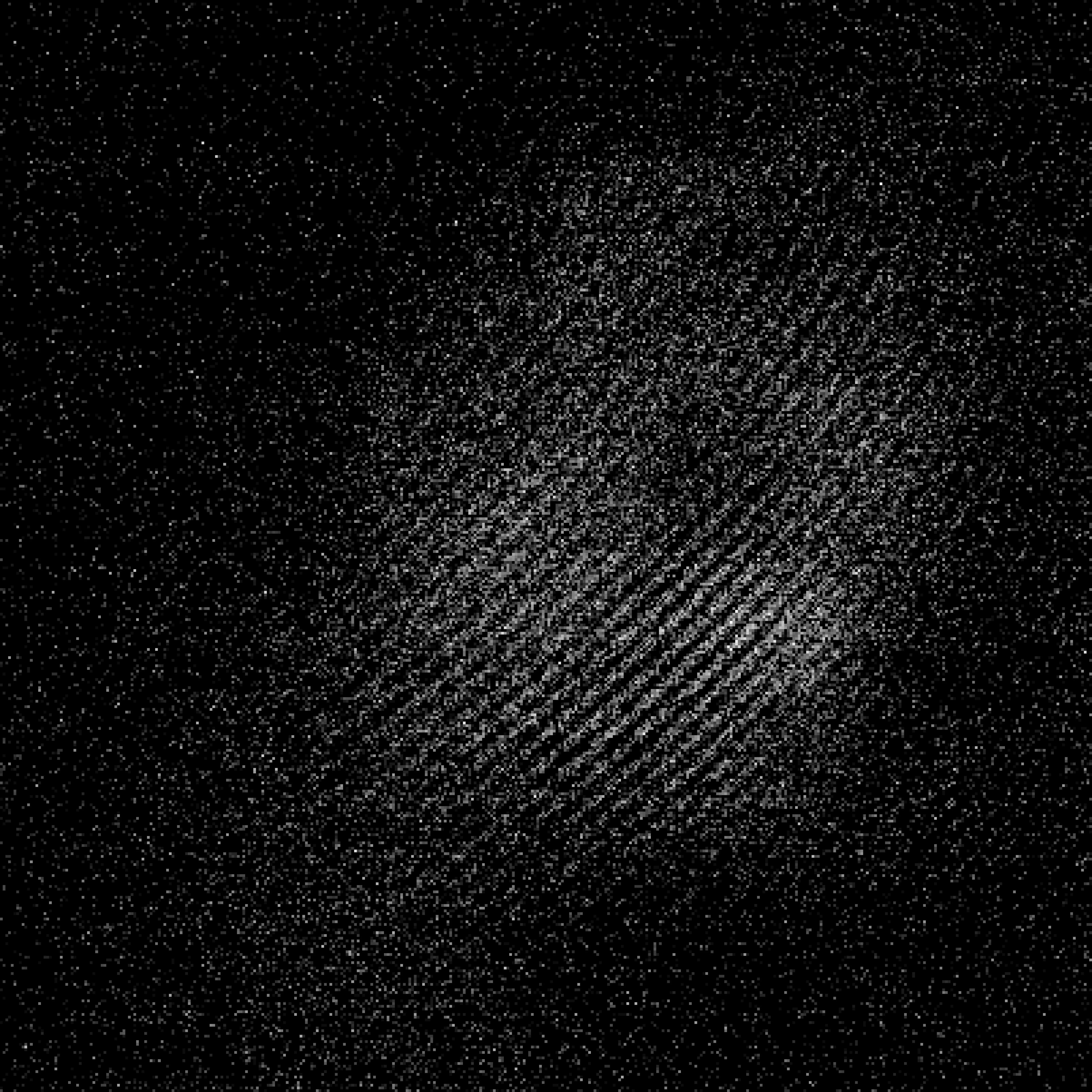
Physicists illuminated this fluid with a laser and took snapshots. It turned out that the vortices appear at random locations and spin in random directions, like ripples on a pond after tossing in a few pebbles. The number of vortices grows with the pump power, and this growth follows the same law as water freezing into an ice crust.
When vortices become numerous, their collective motion changes. A map of fluid velocities shows that energy flows from large vortices to small ones following a strict power law. This is a classic signature of turbulence, observed for the first time in a quantum fluid of light at room temperature.
Now researchers have a way to track the birth and motion of each vortex individually. This will help understand how order turns into chaos in a wide range of systems — from superfluid helium to the early universe.
A quantum vortex in a light fluid is invisible to the naked eye: it is smaller than a human hair's width, yet its rotation speed can reach billions of revolutions per second.