32-Antenna Radio Telescope Catches Pulsars express
At India's Gauribidanur Radio Observatory, 32 antennas that look like giant TV dishes are listening to the sky. They catch radio waves from pulsars — dead stars that spin at breakneck speed and blink like lighthouses. Previously, signals from these antennas were processed slowly and awkwardly. Now engineers have assembled a new pipeline: it takes in raw data, cleans it of interference, and files it into neat archives.
The pipeline works at frequencies from 170 to 196 megahertz — a range where there is a lot of noise from terrestrial radio stations and cosmic dust. To pull out a pulsar's faint signal, you have to gather it bit by bit: thousands of rotations of the star are stacked into one sharp profile. Two methods are used: one fast but coarse, the other slow but precise. All of this runs on an ordinary computer with an Intel i9 processor, while a second computer with an AMD R9 immediately converts the data into a convenient format.
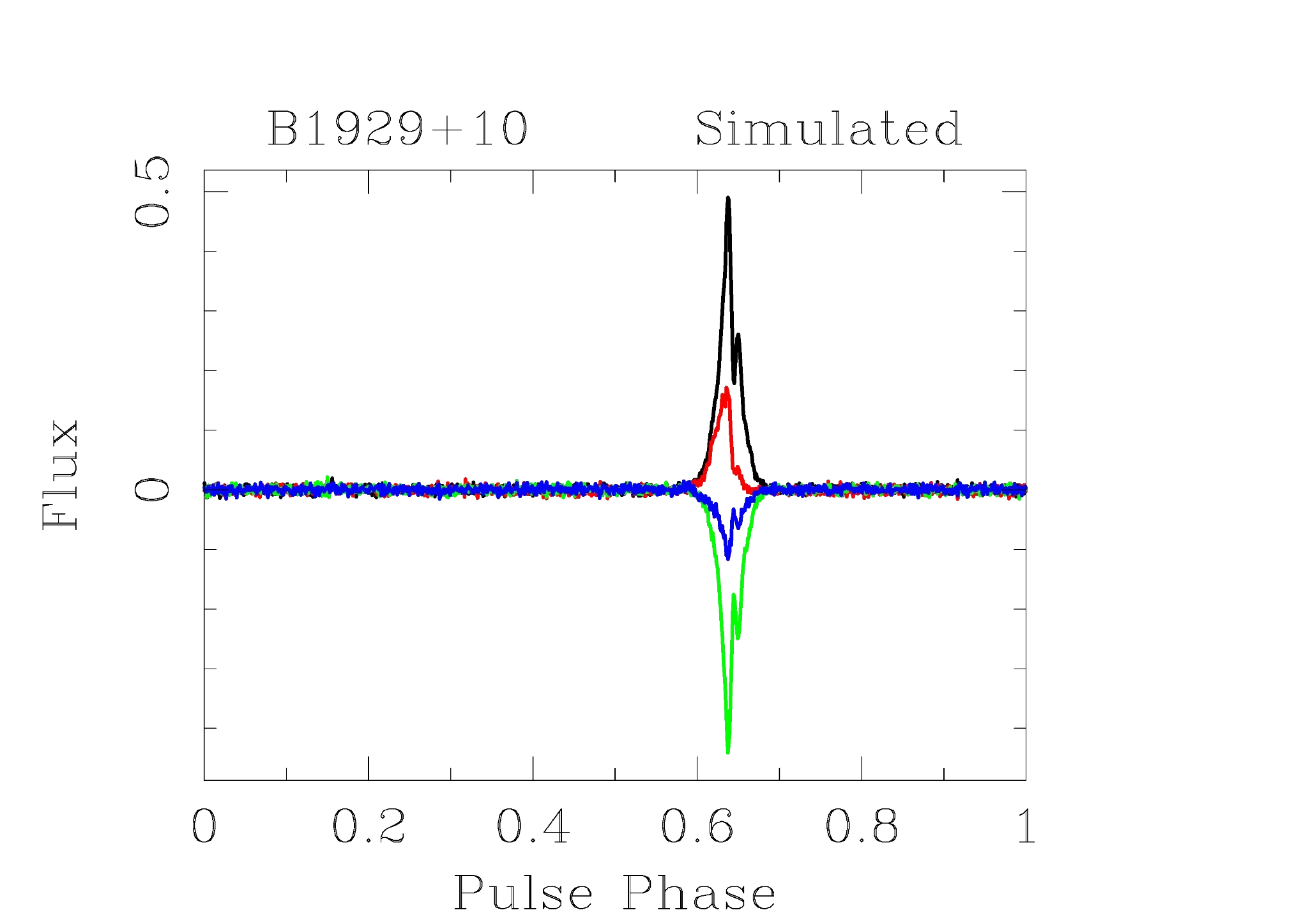
The test was a success: first, the pipeline "caught" artificial signals that the scientists injected into the antennas, and then it caught five real bright pulsars. Among them was the Crab pulsar — the remnant of a supernova explosion that astronomers have been observing for centuries. Over 200 days, the pipeline noticed this pulsar slowing down: every second it loses a tiny fraction of its rotation speed. It's like a spinning top on a table turning slightly slower with each revolution.
Now the observatory takes readings from the sky every day, and the data immediately turn into scientific results. In the future, the pipeline can be improved: add more antennas or expand the frequency range. Then it could catch even fainter pulsars and possibly discover new ones.
The Crab pulsar spins 30 times per second, but over 200 days of observations its period increased by 0.00000000000003 seconds: that's like a clock losing one trillionth of a second over six months.
In Carl Sagan's novel "Contact," a signal from an extraterrestrial civilization was initially mistaken for a pulsar, so regular were the pulses.