Supercapacitor from an Old T-Shirt express
An old T-shirt was dissolved in alkali to produce a gel, and it became the heart of an energy storage device. The second component was made from chitosan, a substance derived from shrimp shells. No metals: just recycled cotton and seafood.
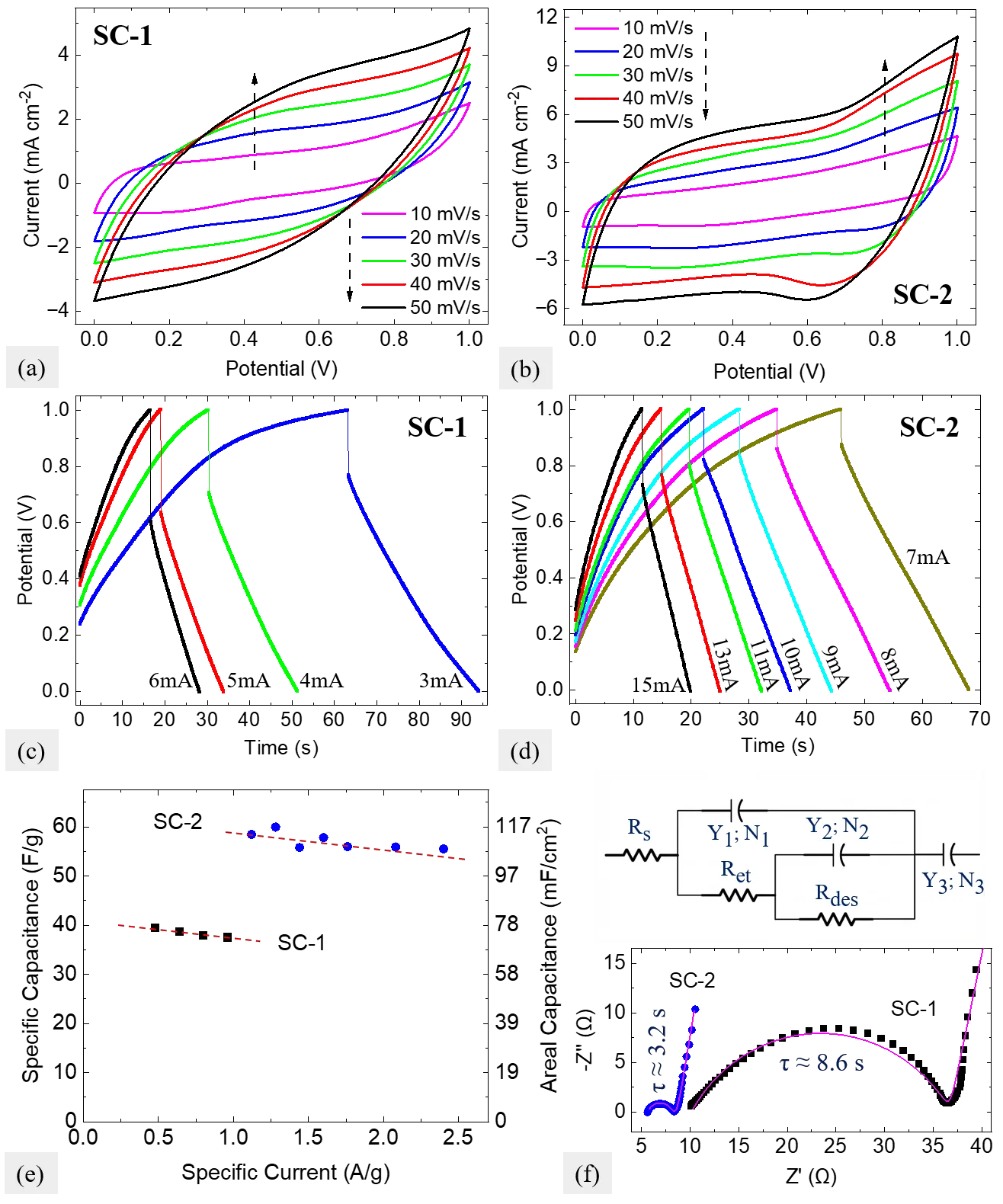
The gel was soaked in ammonium salt, and its conductivity nearly doubled: from 17.1 to 37.8 millisiemens per centimeter. It's like replacing a narrow footpath for ions with a wide highway — charges move faster. In tests, the device showed a response time of 3.2 seconds, comparable to commercial counterparts.
After 1000 charge cycles, the capacitance didn't drop but increased by 12.3%. Resistance rose slightly: from 18 to 22 ohms. The cause: tiny traces of iron from the steel casing reacted with the gel. In a compact coin-cell battery, this wouldn't happen. It's not a defect but a quirk of the lab setup.
Such a supercapacitor can be disposed of without harming the environment. It doesn't require rare metals like lithium or cobalt, and it's made from what is usually thrown away. Soon, old jeans might power wearable electronics.
Chitosan, used in the electrodes, is derived from shrimp and crab shells — food industry waste that amounts to millions of tons annually.