Solar Spicules: How the Corona Gets Its Heat express
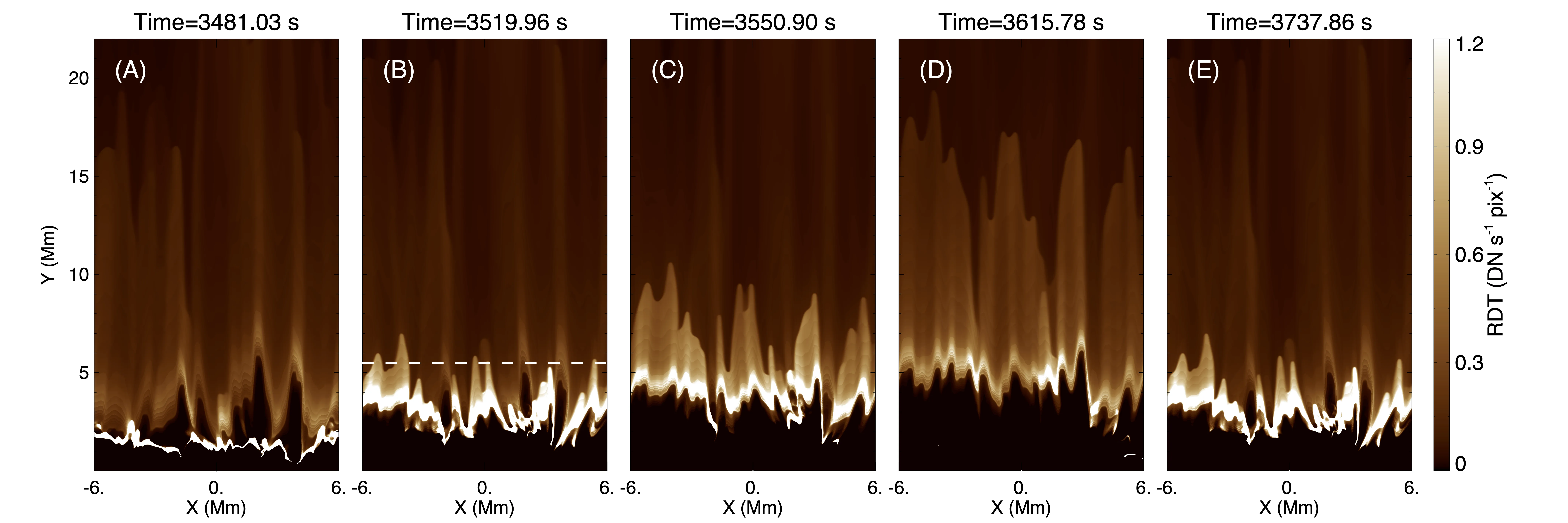
The Sun's surface boils like water in a pot. Hot gas rises, cools, and sinks: that's convection. Magnetic fields churn around, tearing and reconnecting. In this frenzy, spicules are born: narrow plasma jets that shoot thousands of kilometers upward. They live only a few minutes, but they manage to transfer energy to the Sun's outer atmosphere.
Spicules don't just shoot up: they push waves and shock fronts ahead of them. These waves compress the gas and heat it. That's how energy from the surface reaches the corona — the tenuous outer layer that is hundreds of times hotter than the surface itself. Without spicules, the corona would cool, and the solar wind in coronal holes would dry up.
So one little jet after another, like a pump, drives heat into the corona. Spicules are not just a pretty sight at the Sun's limb. They are the key to a puzzle that has stumped astrophysicists for 80 years: why the corona is hotter than the surface.
The temperature of the Sun's corona is about a million degrees, while the surface is only 5500 degrees. That's like the air around a campfire being hotter than the flame itself.