Aluminum Granules Against Magnetic Fields express
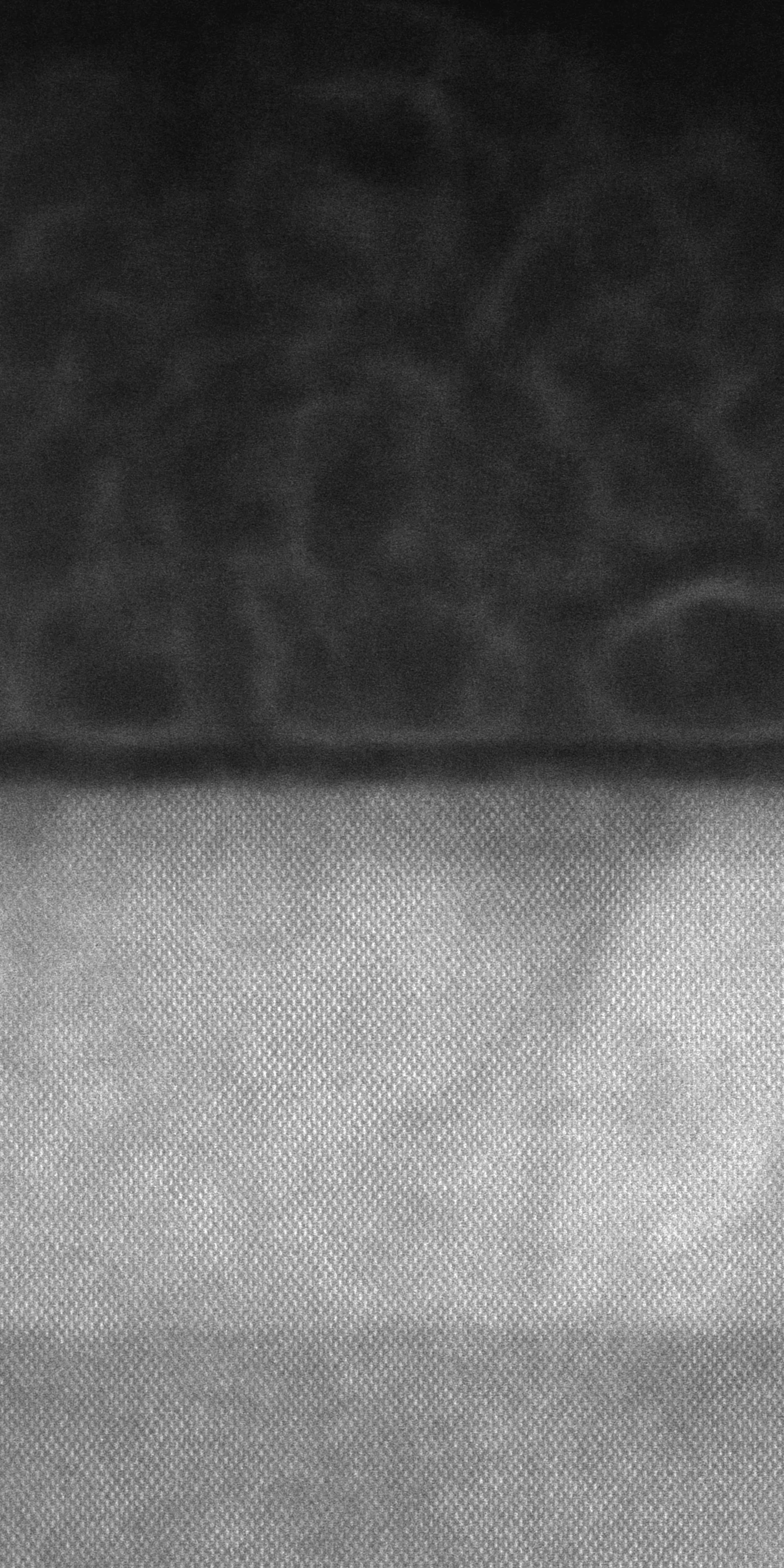
A regular superconductor and a magnetic field are like water and fire: the field tears apart the electron pairs that carry current without resistance. But if instead of a continuous film you use a scattering of tiny aluminum grains, each coated with a thin oxide layer, the situation changes. Such granules, deposited on a germanium-silicon wafer, withstand a field directed both along and across the surface.
In the experiment, a layer of granular aluminum showed a clear superconducting gap with peaks at an energy of 305 microelectronvolts: this is like a fingerprint proving the superconductivity is real. Moreover, the gap persisted in a magnetic field that usually suppresses it. Thanks to this resilience, they managed to split the energy levels of impurities by more than 50 microelectronvolts (a frequency of about 12 gigahertz)—an effect needed for spin control.
Such stability opens the door to creating quantum bits based on superconducting and semiconducting structures. By controlling the magnetic field, one can tune the interaction of spins, the internal 'arrows' of electrons, and build more reliable quantum devices.
Granular aluminum is made by depositing aluminum vapor in an oxygen atmosphere — the metal condenses into tiny grains, each immediately coated with an oxide shell.