Dark Matter: The Annihilation Fireworks ✎ express
In the mid-20th century, astronomer Vera Rubin discovered that stars on the outskirts of galaxies were moving too fast — held by an invisible mass. Thus the mystery of dark matter was born. It doesn’t emit light but reveals itself through gravity. The big question: why is there exactly as much as we see? New work offers a surprising answer.
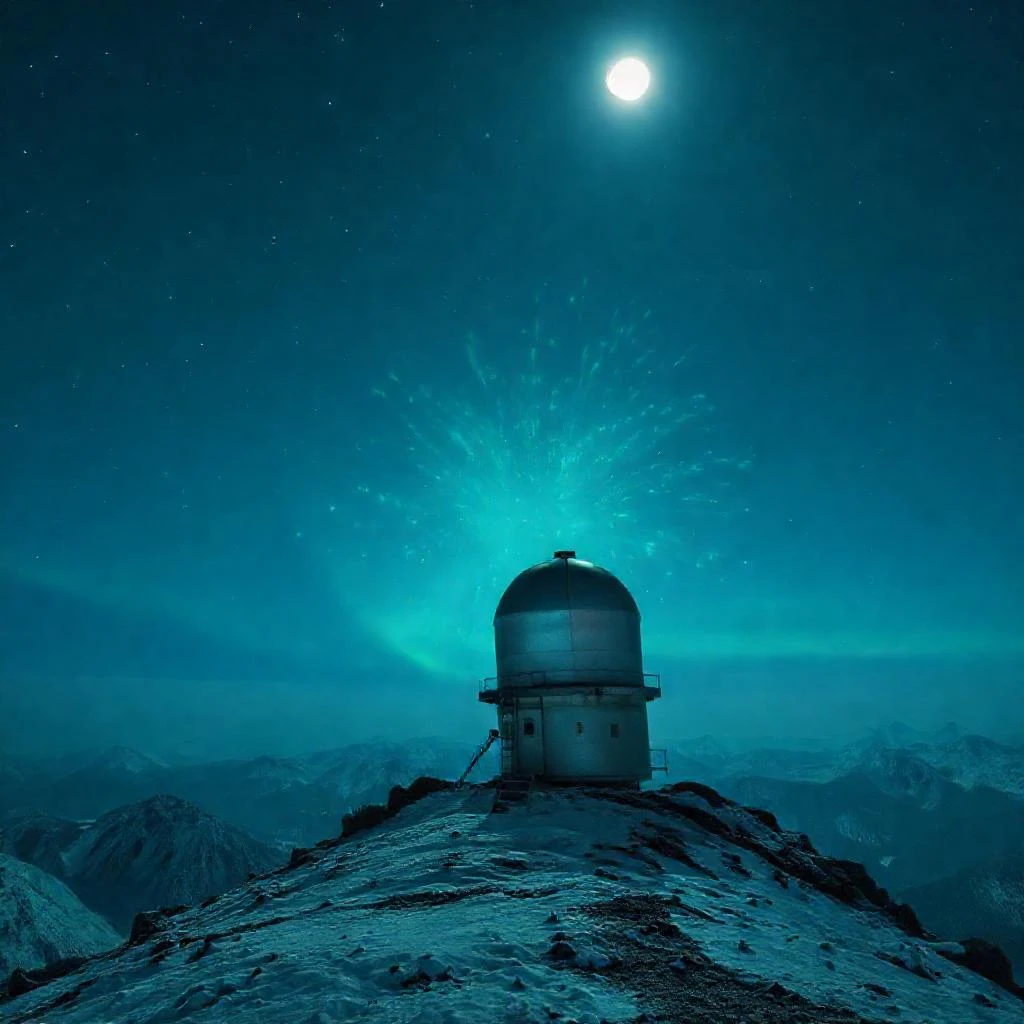
In the early universe, density was so immense that dark matter particles were jammed tightly together. Like bullets in an overstuffed box, they couldn’t interact and annihilate. But as the universe expanded, density fell. At a critical point, a flash of mutual destruction ignited — a dazzling annihilation fireworks display. Almost all particles perished, leaving just one millionth of the original amount. Remarkably, the final abundance barely depends on particle interaction strength — what matters more is when this explosion began.
This model also explains the odd behavior of dark matter in dwarf galaxies: the leftover particles still weakly feel each other, shaping the structure of those systems.
If the universe had expanded just a little slower, the protective density would have lasted longer, and dark matter would have vanished entirely — along with any chance for galaxies to form.