How Rain Launches Microplastics into the Air express
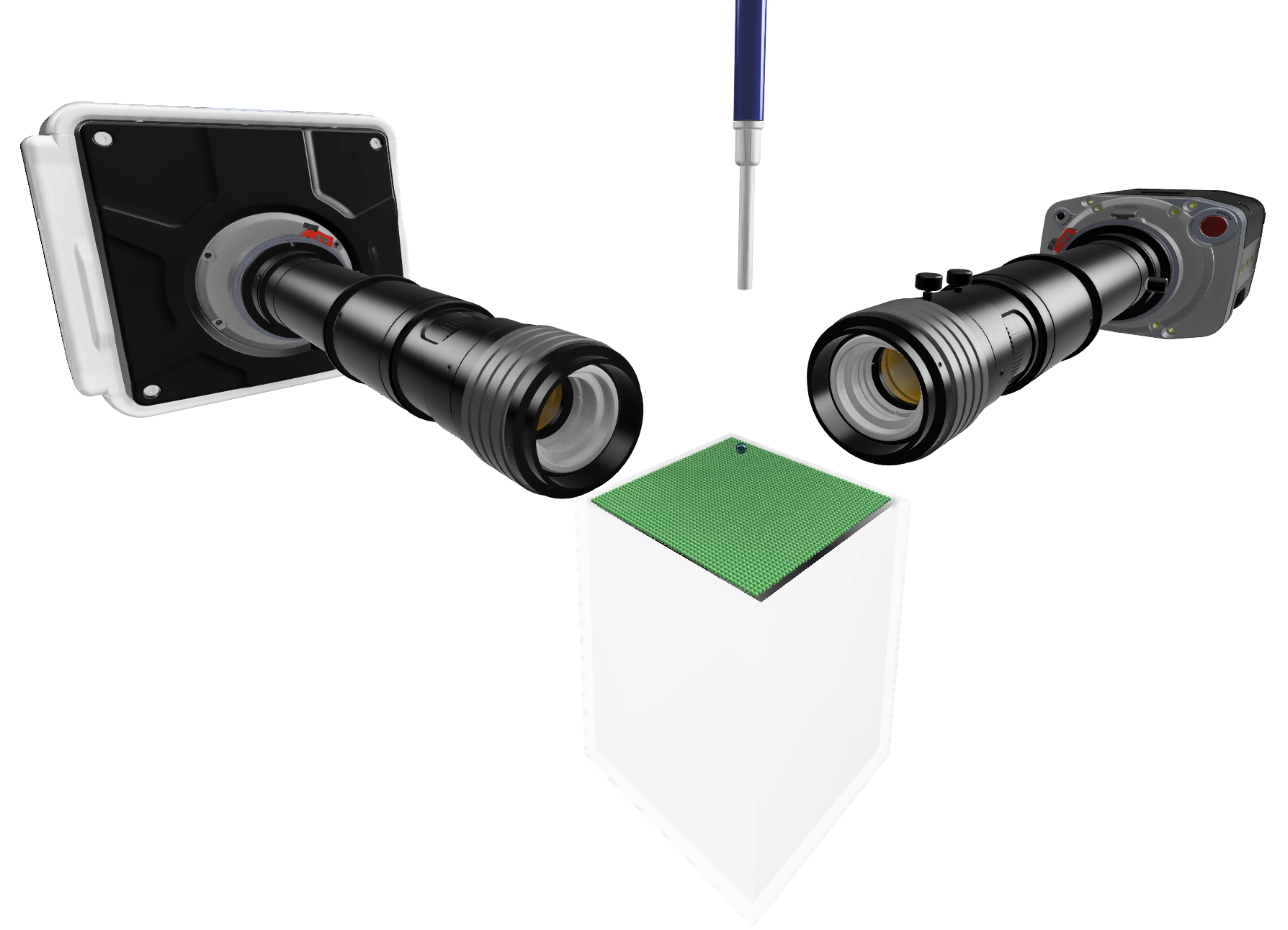
The Sun drives the water cycle, and rain returns it to the ground. But now, every drop is a tiny hammer striking the surface. Floating plastic particles (microplastics, mostly carbon) upon impact jump up like popcorn kernels on a hot skillet. But instead of popping, they get wrapped in a thin water film and turn into weightless beads. Wind catches them and carries them thousands of kilometers — from city puddles to mountain glaciers. The particles that fiercely repel water jump the highest: they bounce up several centimeters and can drift in the air.
Researchers have found a simple rule: how much plastic enters the atmosphere depends on the force of the drop's impact and the 'water-hating' nature of the particles. This helps predict what we breathe after a downpour. The same mechanism works when drops hit sand: this is how rain erodes shores and transports soil.
Plastic particles that fiercely repel water can jump up several centimeters and float in the air like miniature balloons.