Mirror Universe: Time Reversed and the Mystery of Matter express
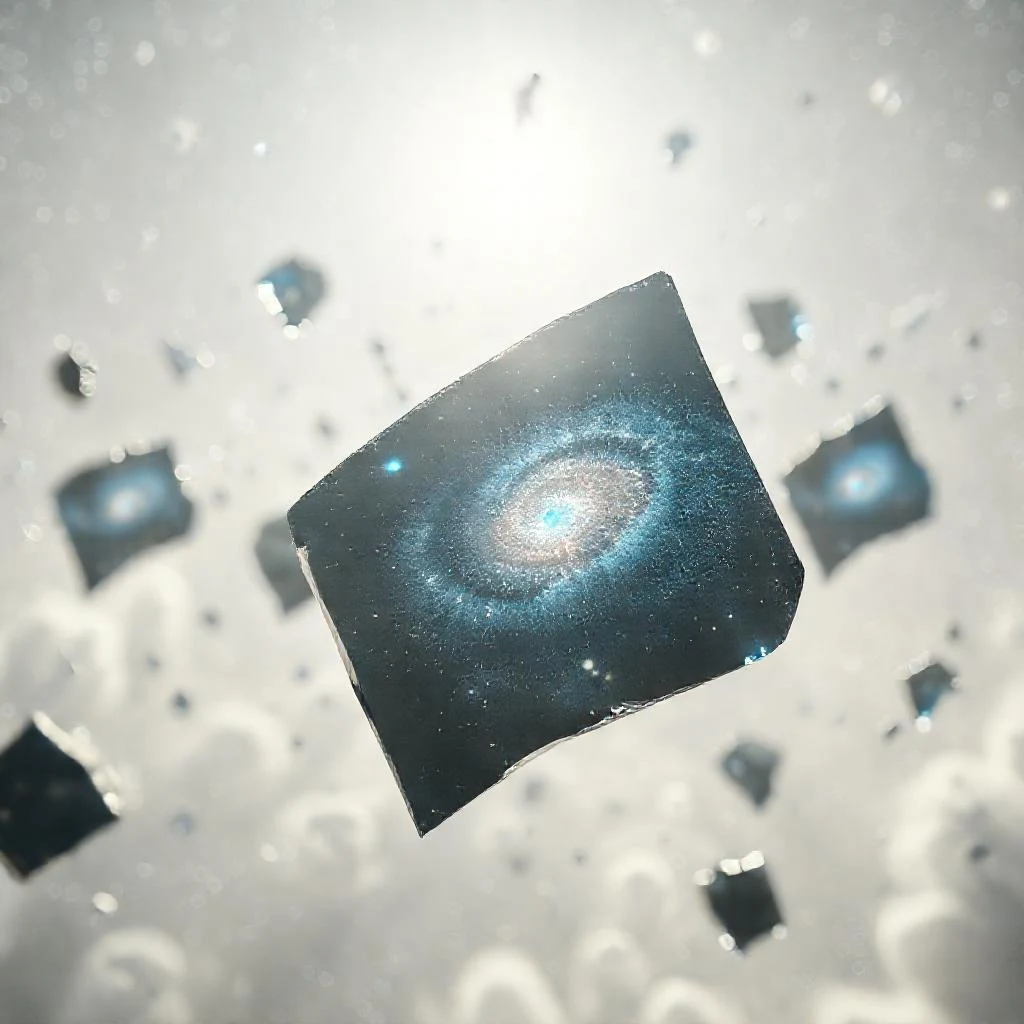
The universe wasn't born alone — alongside it came a mirror twin where everything is reversed: left and right are swapped and time flows from future to past. After the Big Bang, the world, according to Alan Guth's idea of superfast inflation, should have contained equal amounts of matter and antimatter. Yet all around us is just matter. The puzzle is solved if we consider a mirror partner.
In the twin, the fields described by the particle theory have slightly different masses, so the heating after birth happens at different temperatures. This creates a tiny imbalance favoring matter, like when you mix hot and cold and one component precipitates out. This mirror asymmetry was foreseen by Wolfgang Pauli, who proved that fundamental laws remain unchanged when you swap particles for antiparticles and reflect space-time simultaneously.
The model requires no fine-tuning of initial conditions. The mirror world is invisibly close, and without it the stars would never have ignited.
In a mirror universe, your heart would beat on the right and text would read backward.
A similar plot about evil twins from a mirror world appeared in "Star Trek".