Microbes Hitch a Ride on Bubbles express
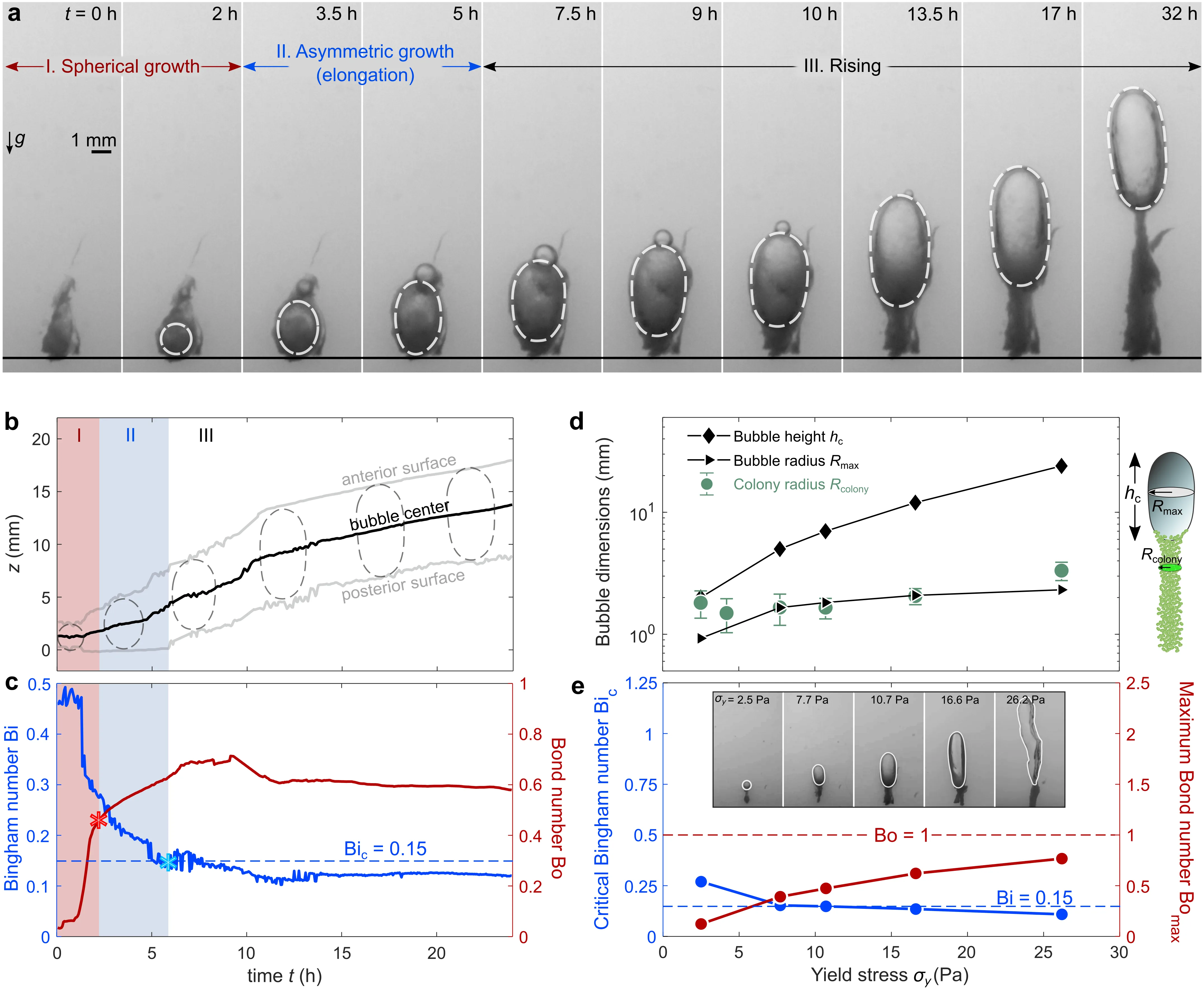
Yeast are trapped in a clear gel, like raisins in jelly. They can't move on their own, but soon they start rising to the top. The secret lies in their own homemade fizz.
During fermentation, yeast release carbon dioxide. In a thick medium, the gas doesn't escape but accumulates until bubbles form. A bubble grows, pushes the gel aside, and floats up, dragging yeast cells with it, just like bubbles in soda lift crumbs. One bubble after another, and soon the colony stretches into a column that extends far beyond what simple cell division could achieve.
Different yeast colonies sitting nearby also communicate through carbon dioxide. Their bubbles merge, forming shared channels. Through these channels, cells from different colonies mix and even exchange genes. So non-motile microbes build roads out of their own waste.
This discovery explains how microbes spread through soil, sediments, and even bread dough. Previously, it was thought that they needed flagella to swim or slow colony growth to expand. Now it's clear: they can simply 'boil over' and ride off on bubbles.
In a single cubic centimeter of yeast sediment, several hundred carbon dioxide bubbles can form in an hour — enough to lift the entire colony a centimeter upward.
In Stephen Baxter's novel 'Evolution', microbes use chemical reactions to move through alien environments — similar to how yeast harness their own bubbles.