Turbulence Speeds Up Raindrops express
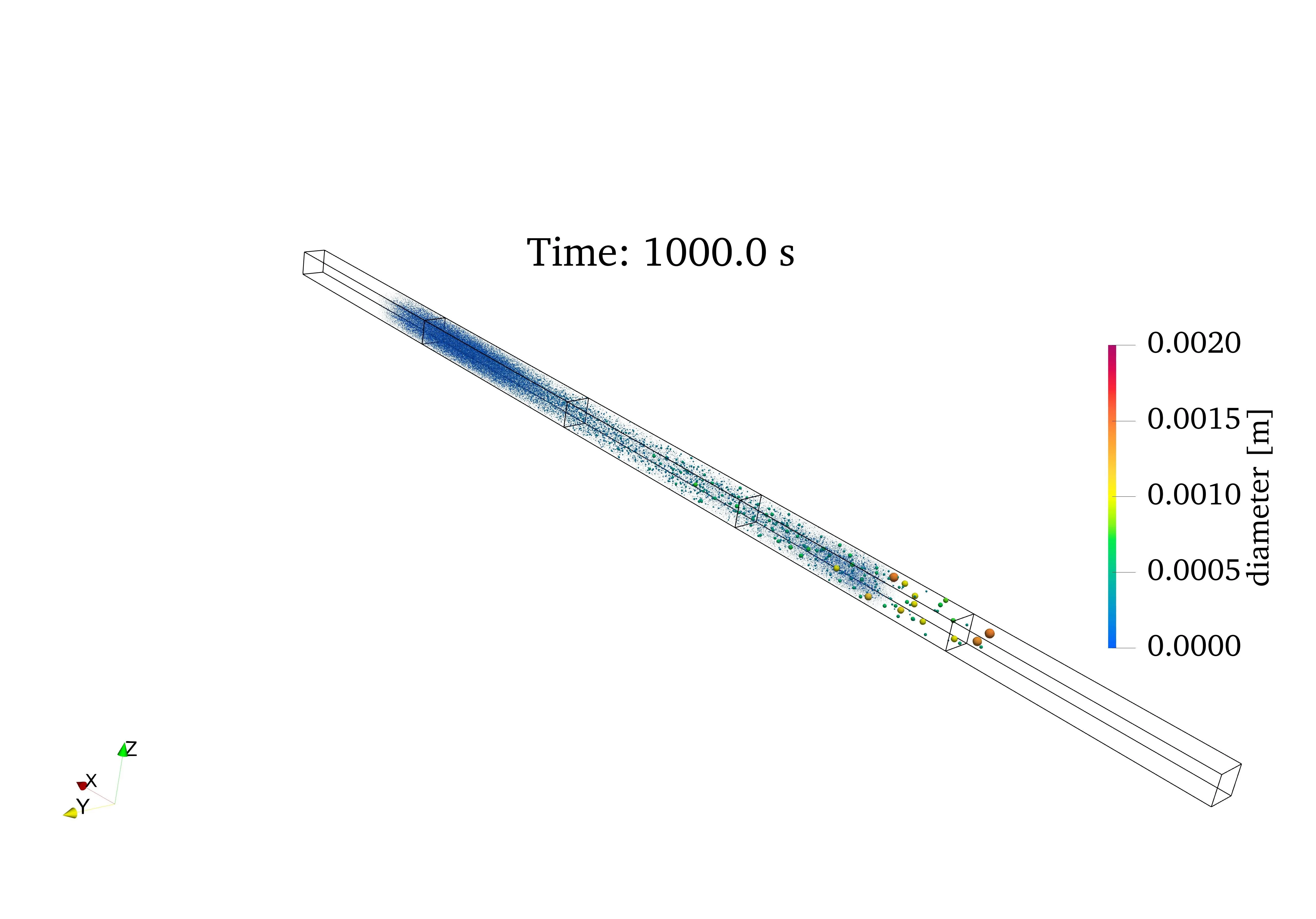
In a cloud, thousands of tiny water droplets hang in the air. For rain to fall, they need to grow: stick together into larger drops and become heavy enough to fall to the ground. But how exactly do droplets find each other in a huge cloud?
Scientists created a computer model that tracks each droplet individually, as if each one had its own little sensor. The model covers the entire column of air from the ground to the top of the cloud. Inside this column, they turned on turbulence — chaotic air eddies that constantly mix the droplets. For comparison, they ran the same model without eddies.
The result was surprising: eddies act like invisible hands that bump droplets into each other. First, droplets of the same size collide in the middle of the cloud: this is how the first large drops are born. Then these large drops, falling downward, collect smaller ones along the way, like a snowball rolling down a mountain. So in a turbulent cloud, rain starts earlier, and the first drops that hit the ground are larger than in calm air.
The first raindrop from a turbulent cloud was larger than from a calm one. The eddies seem to deliberately gather more water for it.