Lithium and Glassy Salt: A Calm Union express
A lithium battery is like a sandwich: two slices of bread are the electrodes, and the filling between them is the electrolyte, through which lithium ions shuffle back and forth. In conventional batteries, the filling is liquid, like a sauce, and it can leak or catch fire. In solid-state batteries, the filling is like a slice of cheese: it doesn't flow, but it's important that it doesn't crumble or react with the bread.
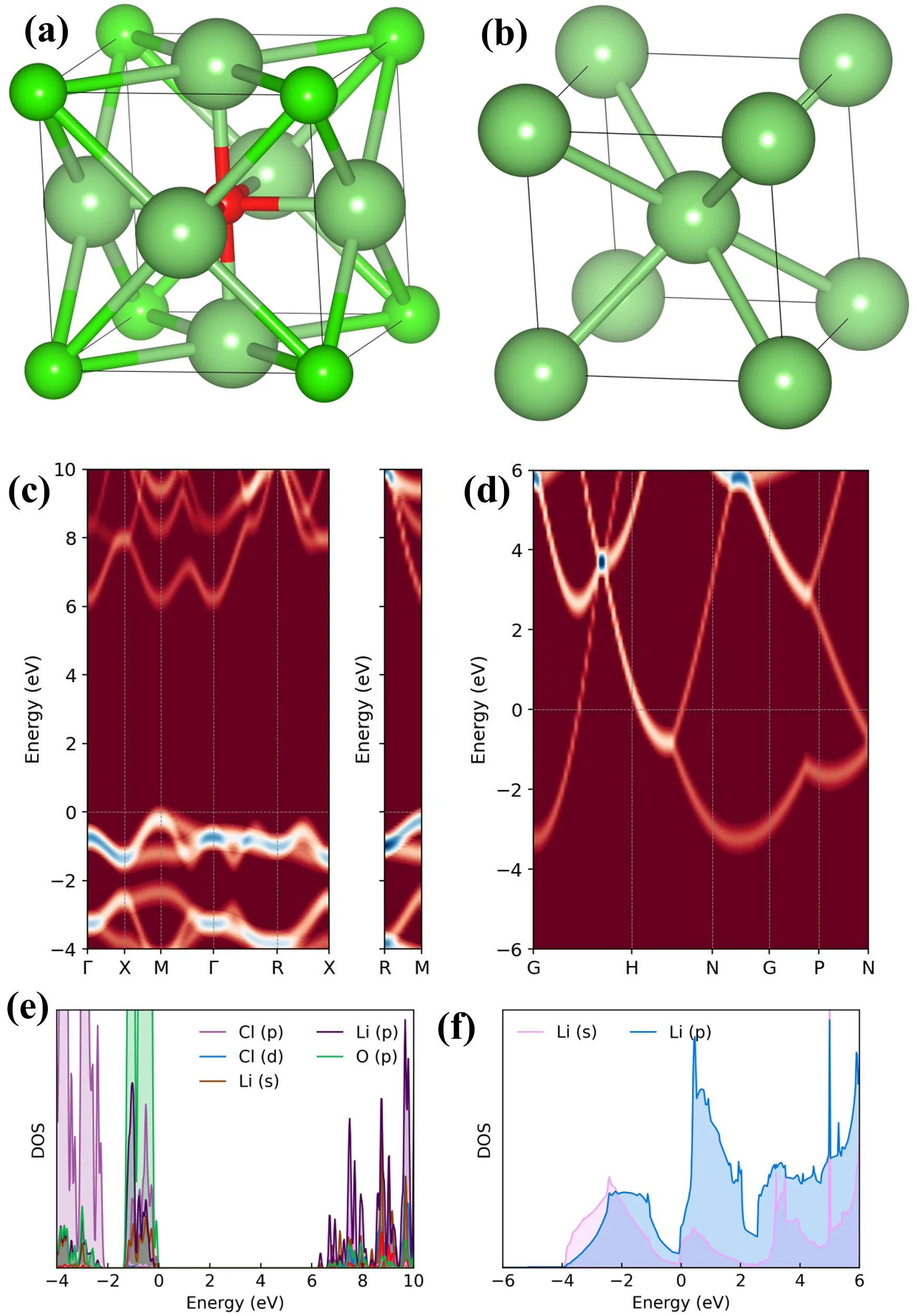
Researchers studied the interface between the lithium anode (the bread) and the solid electrolyte Li3OCl (the cheese) using computer simulations at the atomic level. They tested several possible alignments and found the most energetically favorable one. It turns out that the interface is calm: the structure doesn't break down, and the electric charge only slightly redistributes in a thin layer near the surface.
This means the battery won't degrade quickly from repeated charging: excess lithium doesn't accumulate inside the electrolyte but stays in the anode. Such stability is key to the long life of solid-state batteries.
The circle closes: the cheese sandwich doesn't fall apart even after many bites. Likewise, a battery with Li3OCl promises to last long and stay safe.
Li3OCl is a solid that conducts lithium ions almost like a liquid, but it doesn't flow and won't catch fire.