Muon Trampoline for a Thermonuclear Leap ✎ express
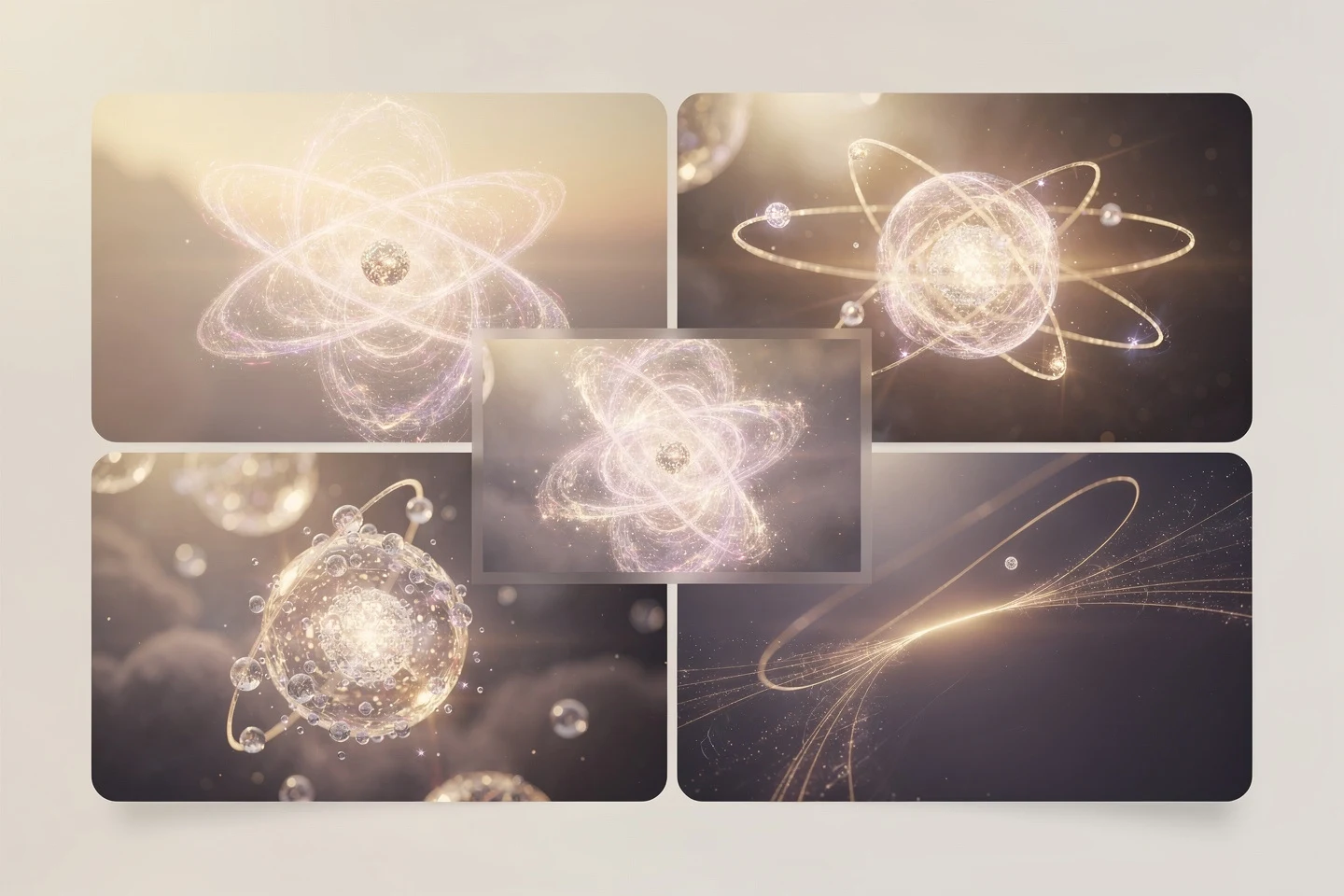
Fusing a proton with boron-11 promises energy without harmful neutrons — only charged particles that easily convert to current. But protons and boron repel like two magnets with the same poles, usually requiring billions of degrees to merge.
The solution: use a muon, the electron’s heavy brother. It lives mere microseconds, but once it captures a proton, it orbits so tightly that it cancels out the proton’s electric field. The muonic cloud turns the high repulsion wall into a barely noticeable threshold, like a trampoline from which you can easily leap over the barrier. Thanks to this, even a sluggish proton fuses with boron thousands of times faster at moderate energies.
The result is clean fusion: no radioactive waste, just helium (the same stuff that fills balloons). If we can mass-produce muons, compact and safe reactors could become reality.
Muons are born constantly: about ten of these particles from cosmic rays pass through your body every second.
Muon-catalyzed fusion is a cornerstone of the engines in the novel 'The Mote in God's Eye' by Larry Niven and Jerry Pournelle.