Wings Over a Star express
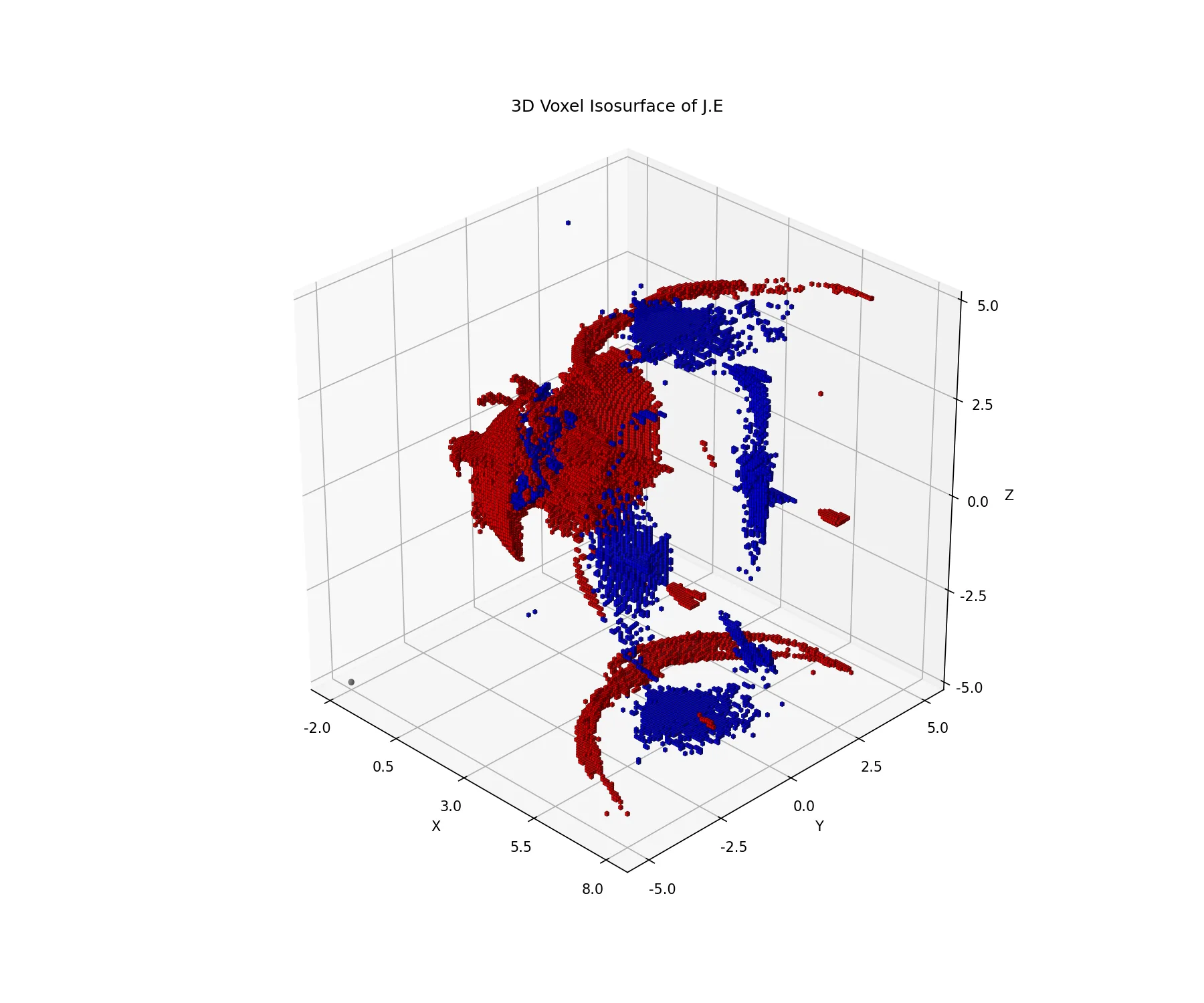
Two neutron stars spiral closer together, about to merge in an instant. Their dance lasts fractions of a second, but just before the finale, one star plows into the other's magnetic envelope, like a swimmer cutting through water, kicking up waves. At that moment, a complex system of currents is born, carrying energy away.
The authors of a new study calculated this process for a pair of neutron stars. They found that the secondary star, passing through the companion's magnetosphere, generates currents resembling relativistic Alfvén wings. These currents can emit in a narrow beam, just like a pulsar. But unlike a typical pulsar, the signal would vary in sync with the orbital motion: flashes repeat with each revolution until the stars merge.
Alfvén wings were first predicted for Jupiter's moon Io: currents along magnetic field lines create auroras in the giant planet's atmosphere.
In Carl Sagan's novel 'Contact,' the alien signal repeats at strict intervals — much like the hypothetical pulses from a 'winged pulsar' before a stellar merger.