Why Supernovae Turn Red: Cosmic Dust is to Blame ✛ ✎ ✦
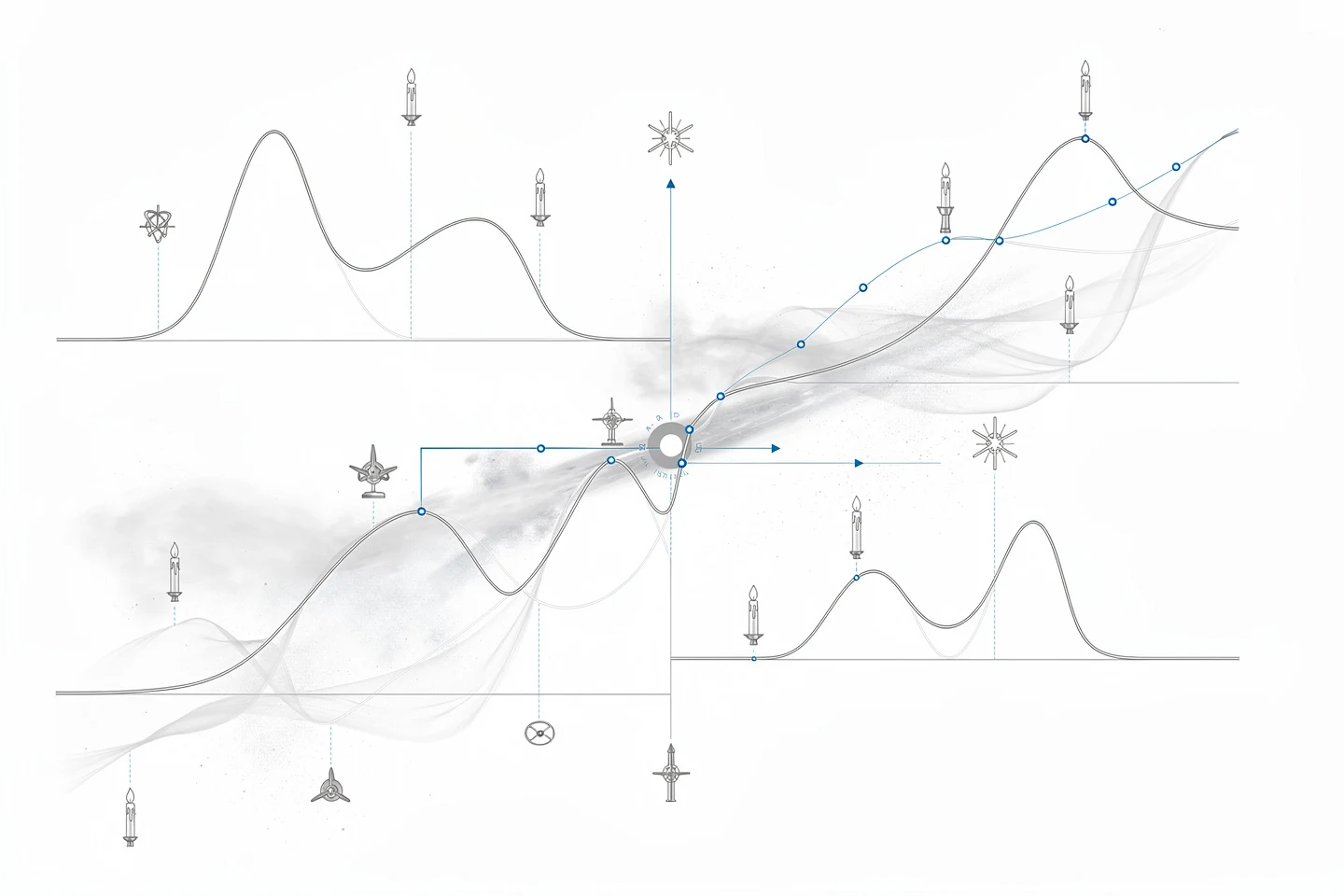
Supernovae — stellar explosions that briefly outshine their galaxies — act as cosmic beacons for astronomers: by knowing their true brightness, we can calculate distances. But the light from these beacons gets redder and dimmer as it passes through interstellar dust — a cosmic fog. Previously, it was unclear whether this redness was tied to the explosion itself or solely to the dust.
Analysis of nearly a thousand supernovae using spectroscopy (splitting light into colors) and precise brightness measurements (photometry) revealed that the explosions of white dwarfs — ultra-dense stellar remnants — always have the same color. All the observed redness comes from dust.
Now it's clear: correcting for dust makes supernovae ideal "standard candles." Astronomers can more accurately track the expansion of the universe and refine the parameters of dark energy.
Cosmic dust, long seen as just a nuisance, unexpectedly turned into the key tool for verifying the reliability of cosmological distances.