How Confirmation Bias Helps You Think Faster express
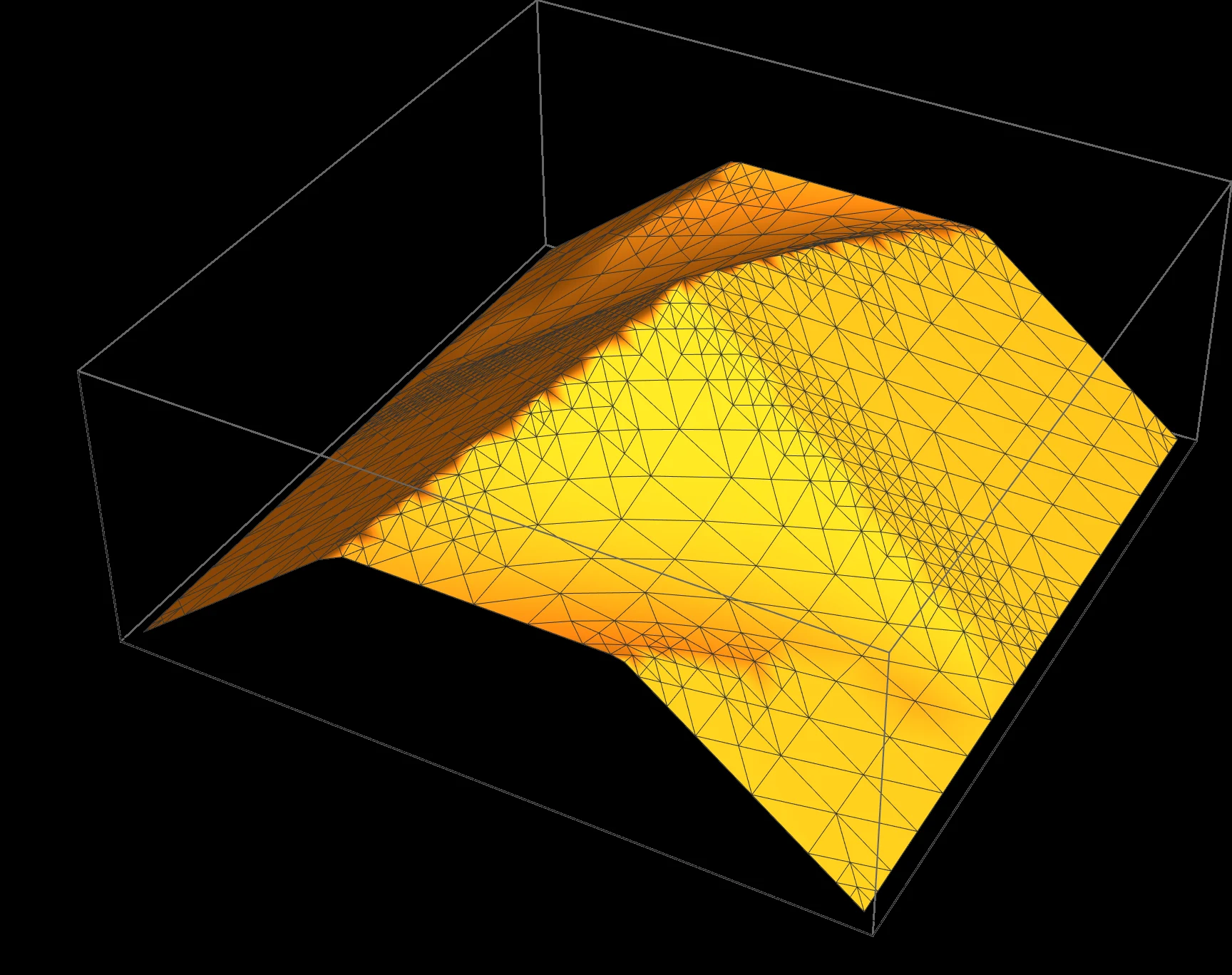
We're used to thinking that noticing only confirmations of our guesses is a mistake. But recent calculations, inspired by wave behavior, flip that view. It turns out that the habit of seeking the familiar is the best way to reduce information noise (scientists call it entropy). Even John von Neumann showed that probabilities can behave not like percentages, but like overlapping waves.
Our mind is like a river that deepens its channel with each flow. Water follows the path of least resistance, and the sun lights only familiar shores. Without this strategy, we'd have to process hundreds of times more data to avoid drowning in information noise. It's not a weakness, but a natural conservation of energy. This is how nature helps us find a path to meaning in chaos.
In quantum probability, chances don't add up like percentages, but like waves: they can amplify or cancel each other out.