Clumpy Heart of a Supernova express
When a star explodes, its material flies into space. In the supernova remnant SNR 0509-67.5, this material did not spread into a smooth cloud but gathered into separate clumps, like lumps in batter that is quickly stirred. The MUSE telescope in Chile saw these clumps in the faint glow of forbidden iron and calcium lines. Such lines only arise in very rarefied gas, so they clearly show where the ejected material is located.
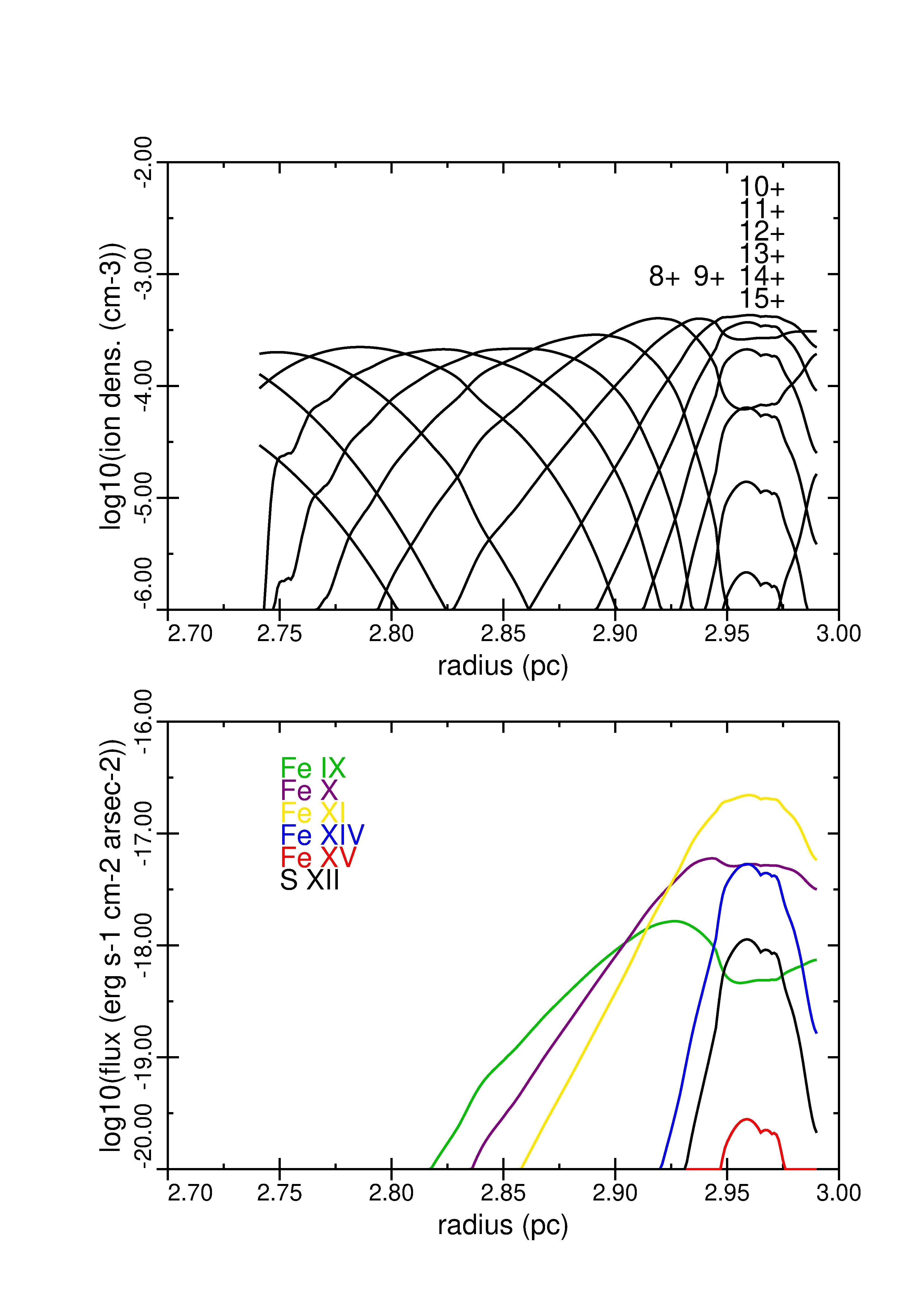
The iron glow varies from clump to clump: some have more ionized atoms, others fewer. This allowed tracking how iron atoms lose electrons one by one as the shock wave catches up with them. It turned out that the clumps were denser than the surrounding gas even before the explosion — otherwise they could not glow so brightly in the iron-14 line. A computer model of a double white dwarf explosion showed that the Rayleigh-Taylor instability played the main role in forming the clumps: it arises when denser material pushes through less dense material, and the boundary between them becomes wavy.
The iron-14 line that revealed the clumps glows green — the same hue seen in auroras on Earth, though there it is produced by oxygen atoms.