A radio receiver is a device that captures electromagnetic radiation in the radio frequency range and converts it into a usable signal, such as sound or data. It is the essential counterpart to a transmitter, and its design determines the sensitivity, selectivity, and fidelity of the received information. In modern physics, radio receivers are not just for communication; they are critical instruments for astronomy, remote sensing, and fundamental experiments that probe the faintest signals from the cosmos.
التاريخ
The first practical radio receiver was built by Guglielmo Marconi in the 1890s, building on the work of Heinrich Hertz who demonstrated the existence of radio waves. The development of the vacuum tube and later the transistor revolutionized receiver technology, enabling the sensitive instruments used today.
كيف يعمل
A radio receiver typically consists of an antenna that intercepts the incoming electromagnetic wave, a tuner that selects a specific frequency band, and an amplifier that boosts the weak signal. The amplified signal is then demodulated to extract the information it carries. In advanced applications, such as radio astronomy, receivers use superconducting circuits and quantum-limited amplifiers to detect signals with energies far below the thermal noise floor. The antenna's design determines the directionality and polarization sensitivity, allowing receivers to 'listen' to specific regions of the sky or reject interference.
في التطبيق
Radio receivers are used in everything from smartphones and Wi-Fi to radio telescopes like the Very Large Array, which detect faint radio emissions from distant galaxies and pulsars.
حقيقة طريفة
The most sensitive radio receivers, used in quantum communication experiments, are so sensitive that they can detect a single photon of radio-frequency radiation.
الكاشف فائق التوصيل يعمل عادةً كمسطرة أمينة: يمتص فوتونًا فيصدر نبضة، سعة تتناسب تناسبًا صارمًا مع الطاقة. هذا الوضع مريح، لكن له سقف: الإشارة الضعيفة تضيع بسهولة في ضجيج المضخم.
الآن لنتخيل أرجوحة. طالما تتأرجح بها بلطف، فإنها تعود بطاعة إلى النقطة السفلية.
عندما تصادف موجة راديو مبنى في طريقها، فإنها لا تنعكس أو تُمتص فحسب — بل تلتف حوله، تمامًا كما تلتف أمواج البحر حول صخرة تاركةً خلفها ماءً هادئًا. في فيزياء الراديو، تُنشئ هذه الظاهرة ظلًا راديويًا — نمطًا معقدًا من مناطق تقوية الإشارة وتوهينها، يسميه العلماء صورة راديوية. في هذا النمط، كما في لوحة انطباعية، تُشفَّر معلومات عن شكل العائق وحجمه ومسافته.
النهج القياسي لرقمنة الكلام، الذي يقوم عليه النموذج القياسي للاتصالات الحديثة، هو أخذ عينات مباشر: آلاف المرات في الثانية يتم تسجيل شدة الإشارة اللحظية. تخيل أنك تتذوق المرق بملعقة صغيرة — كل رشفة تعطي لمحة خافتة عن الطعم، ولإدراك النكهة الكاملة عليك أن تغرف مرارًا وتكرارًا. وهكذا هنا: تتدفق البيانات وتتضخم، رغم أن الحمل الدلالي فيها ضئيل.
المظروف البريدي العادي له شكل مستطيل، والرسالة بداخله لا تغيّر خصائص المظروف. أما مع الفوتونات — جسيمات الضوء — فالأمر مختلف: فـ«شكلها» الزمني يمكن أن يكون مختلفًا، وهذا الشكل بحد ذاته يحمل معلومات.
مصفوفة الهوائيات التقليدية تشبه جوقة: أصوات كثيرة تغني بتناغم، فيتعزز الصوت في اتجاه واحد فقط. وللحصول على إشارة من جهة أخرى، يجب إعادة ضبط الجوقة بأكملها. تخيل الآن أن صوتًا واحدًا يمكنه تغيير نبرته بحيث يتجمع الصوت نفسه في الاتجاه المطلوب. هذا بالضبط ما فعله الفيزيائيون مع مستقبل يعتمد على بخار الروبيديوم.
داخل الخلية الزجاجية يوجد غاز ساخن من ذرات الروبيديوم.
في المسرعات الضخمة، تمر الجسيمات عبر الكواشف في أجزاء من مليار من الثانية، ولتمييز جسيم عن آخر نحتاج إلى ساعة توقيت فائقة الدقة. يعمل الكاشف الجديد µRWELL-PICOSEC كساعة توقيت من هذا القبيل: فهو يلتقط لحظة مرور الجسيم بدقة تصل إلى 48 بيكو ثانية، أي 48 تريليون جزء من الثانية.
السر هو أن الكاشف يجمع بين ظاهرتين فيزيائيتين.
فقاعة الغاز في الماء ليست مجرد كرة صامتة، بل هي رنان صوتي يغني بفضل تأثير يُعرف برنين مينارت. فالسائل الكثيف يكبح الانضغاط السريع للفقاعة، مما يُجبر جدرانها على الاهتزاز بتردد مميز. أما في الهواء، فهذا مستحيل: فكثافة الغاز صغيرة جدًا بحيث لا تخلق المقاومة القصورية اللازمة.
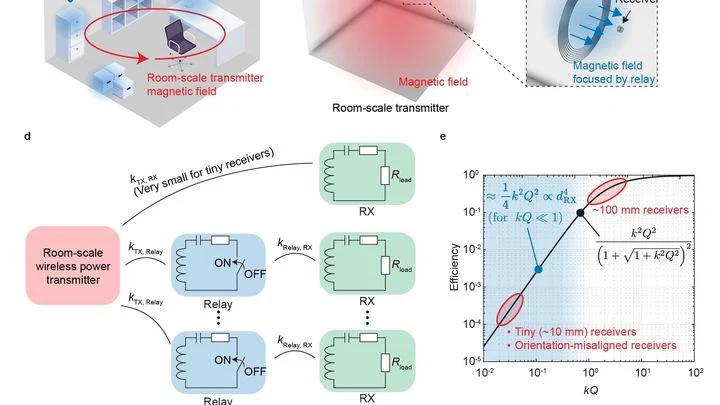
تخيل الشحن اللاسلكي في الغرفة كبركة سباحة، حيث تنتشر الطاقة-الماء في كل مكان، بينما الحساسات الصغيرة التي تشبه العوامات لا تكاد تتحرك. ملفاتها الحثية صغيرة جدًا بحيث لا تستطيع التقاط الطاقة بكفاءة من هذا المجال الكهرومغناطيسي المتناثر. وعلى عكس الموجات الراديوية، لا تنتقل الطاقة هنا بسرعة الضوء، بل تبقى في المنطقة القريبة، في انتظار من يجمعها.
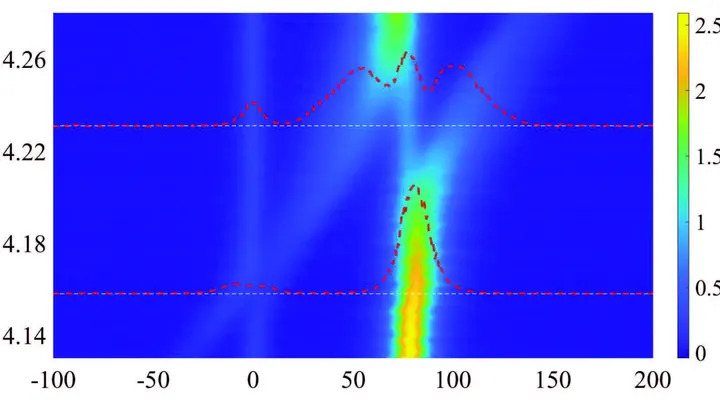
الهوائي المعدني هو ما يلتقط الموجات في جهاز الراديو العادي. أما هنا، فالهوائي هو ذرة واحدة فقط، قُذف إلكترونها إلى مدار بعيد — مثل قمر صناعي في مدار مرتفع حول الأرض. تُسمى هذه الذرات ذرات ريدبيرغ. يعمل المجال الميكروويفي الضعيف على هذا الإلكترون البعيد، فيظهر في طيف الذرة خط مزدوج — وكأن وترًا واحدًا بدأ فجأة يصدر نغمتين.
شريط الغرافين بعرض تسع ذرات هو مسار تجري عليه الإلكترونات كما يجري الماء في قناة ضيقة. أشعة غاما هي تيار من الجسيمات بطاقة هائلة، قادرة على اختراق المعادن والبلاستيك. عندما يصطدم هذا التيار بالشريط، فإنه لا يكسر بنيته، بل يخدش سطحه قليلًا، تاركًا عليه ذرات أكسجين إضافية.
جمع العلماء ترانزستورًا من هذا الشريط وعرّضوه لأشعة غاما.
الموجات الثقالية هي تموجات في نسيج الزمكان، تتمدد وتنضغط كل ما حولها دون أن نشعر. لكن القمر، كالجرس، يلتقط هذه الموجات: عبره، الموجة الثقالية تجعل القمر يهتز. نموذج جديد، يراعي لأول مرة عدم انتظام سطح القمر الحقيقي، أظهر شيئًا مذهلًا: حيث القشرة أسمك، تتضخم الاهتزازات حتى عشر مرات.
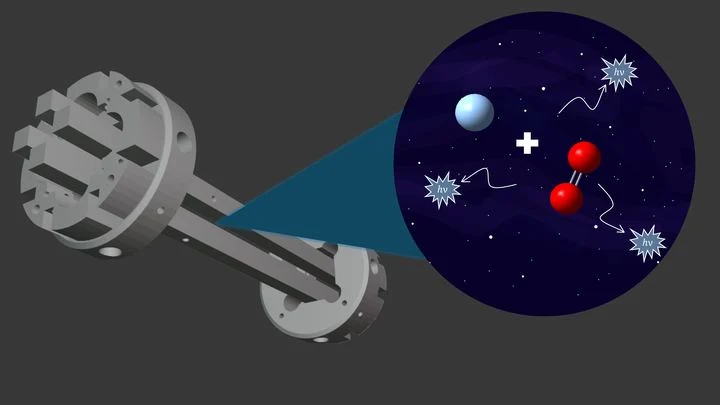
في السحب الباردة المخلخلة في الفضاء، نادرًا ما تلتقي الجسيمات، لكن أحيانًا يمر أيون وجزيء متعادل قريبين بما يكفي ليلتصقا ببعضهما. عندها يبعثان ضوءًا — مثل ومضة خافتة تحمل الطاقة الزائدة. تُسمى هذه العملية بالارتباط الإشعاعي (radiative association)، وهي مسؤولة عن ظهور العديد من الجزيئات في الفضاء بين النجمي.
القمر ليس مجرد كرة حجرية هامدة، بل هو رنان طبيعي للموجات الثقالية، يشبه جرسًا عملاقًا. عندما تمر عبره الموجات الثقالية - وهي تموجات في نسيج الزمكان - فإنها تسبب اهتزازات ضعيفة بالكاد تُلاحظ في كتلة القمر بأكملها.