Who Controls the Rains of the Sahel ✛
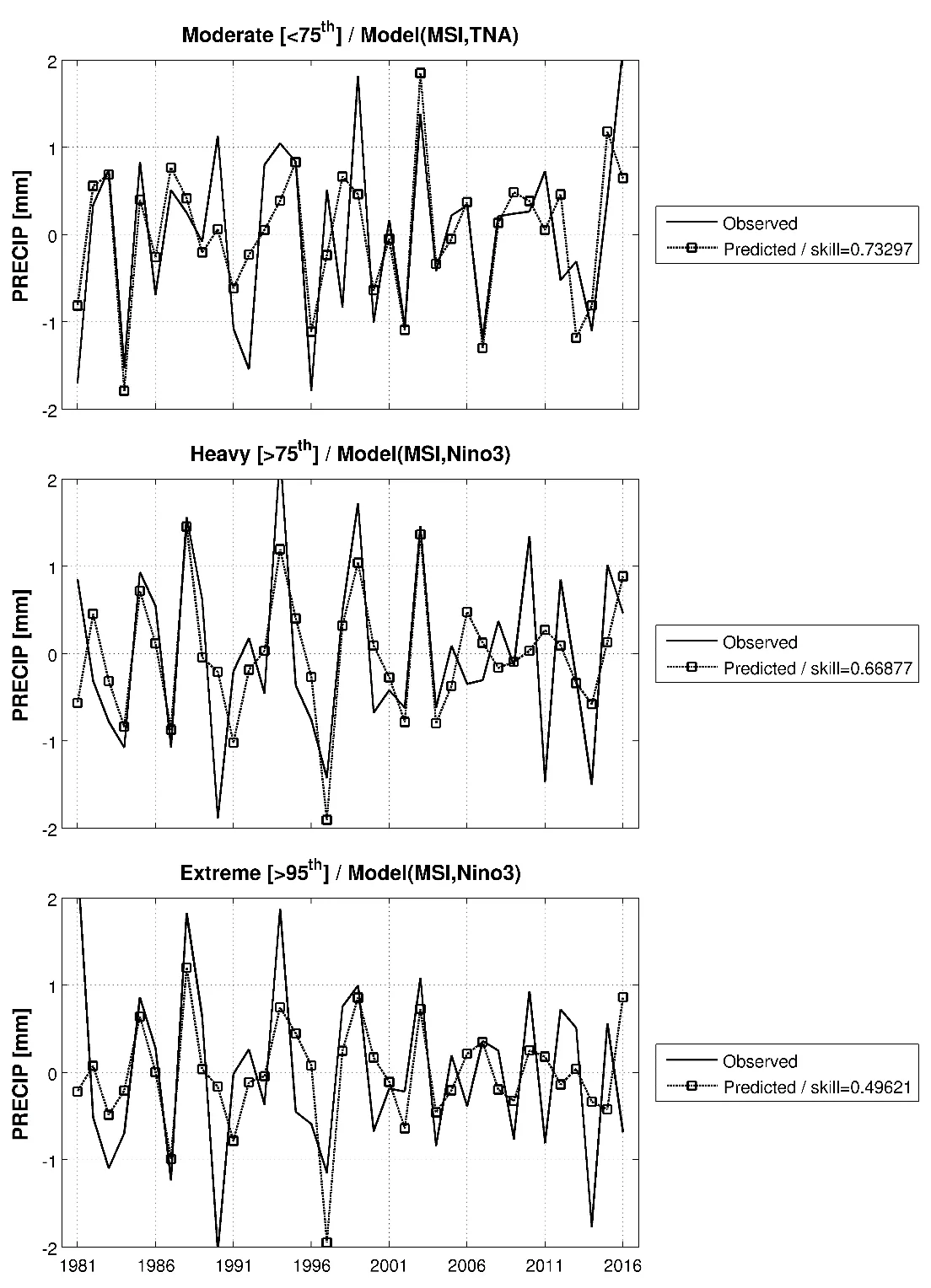
The semi-arid belt just south of the Sahara lives from one rain to the next. Some rains fall steadily and nourish the fields; others come down in sheets and wash away everything in their path. Previously, it was thought that both types of rain depended on the same thing: ocean temperature. But scientists split the rains by intensity and found that each has its own "control panel."
Intense downpours are set off by La Niña, which is the name for cooler waters in the equatorial Pacific. That chill makes the air over the Sahel unstable: warm air near the surface shoots upward, like steam over a boiling pot. That is how thunderstorms are born, dumping more water in an hour than a gentle rain does in a day.
Now, by knowing ocean temperatures, you can predict in advance which rains are coming. A warm Atlantic signals gentle rains 2–3 months ahead, while La Niña points to intense downpours 4 months out. This helps farmers decide when to sow, and emergency services prepare for floods. The oceans act like conductors leading the rain's performance: the Atlantic plays a quiet melody, while the Pacific strikes loud chords.
Extreme storms in the Sahel now occur three times more often than 35 years ago, even though total annual rainfall has barely changed. This means rain has become less frequent but much more intense.