The Light Chip: A Treasure Map in a Sea of Chaos express
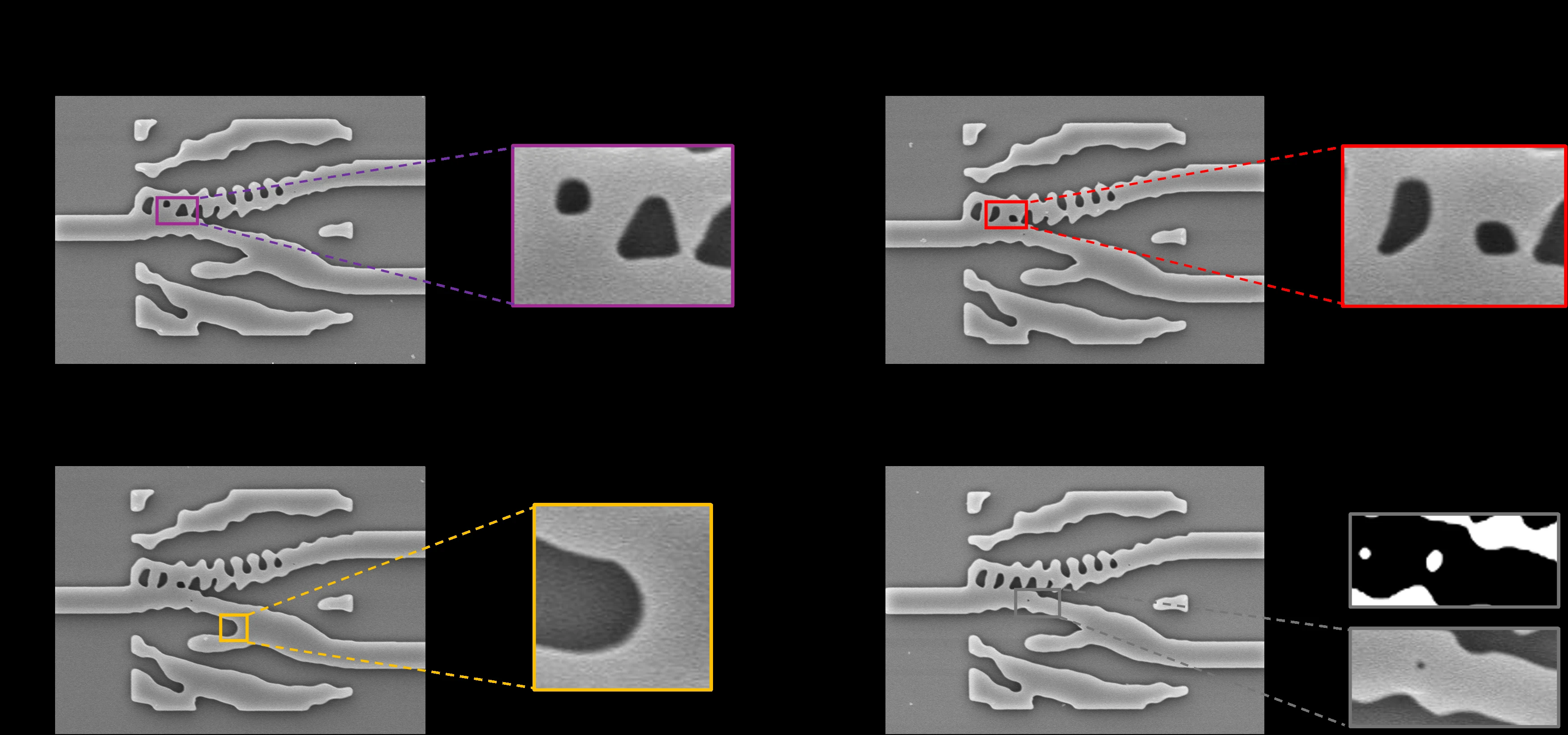
Computer algorithms design light chips that separate signals by color not along straight lines but through mysterious, winding mazes. These chaotic, almost organic patterns work brilliantly, but until now, no one knew which parts of the design truly mattered. The slightest manufacturing deviation could cripple the device, yet engineers couldn't predict where it would be fatal.
Scientists found a solution: an additional AI draws a sensitivity map over the blueprint. Bright spots on it, like marks on a treasure map or hidden reefs, point to areas where any inaccuracy is catastrophic. Real-world chip tests confirmed: damaging a "hot" spot increases signal loss by 11 times more than wrecking an unimportant zone.
This method doesn't require changing complex computer models: it just adds clarity. Designers can now see in advance whether a circuit will survive inevitable manufacturing imperfections. In the future, this will speed up the production of reliable light chips for next-generation internet or quantum computers.
Many computer-generated designs surprisingly resemble biological forms: whimsical curves that look like coral or blood vessels, yet they obey strict physical laws.
In science fiction, AI spawns blueprints that defy human logic; now we have a key to decipher them.