How Galaxies Cleared the Cosmic Fog express
When the universe was less than a billion years old, it resembled a thick fog: ultraviolet light could not travel far because interstellar gas absorbed it. But gradually, as the first stars and galaxies were born, the fog lifted — a process known as the epoch of reionization. Astronomers want to understand exactly how this happened.
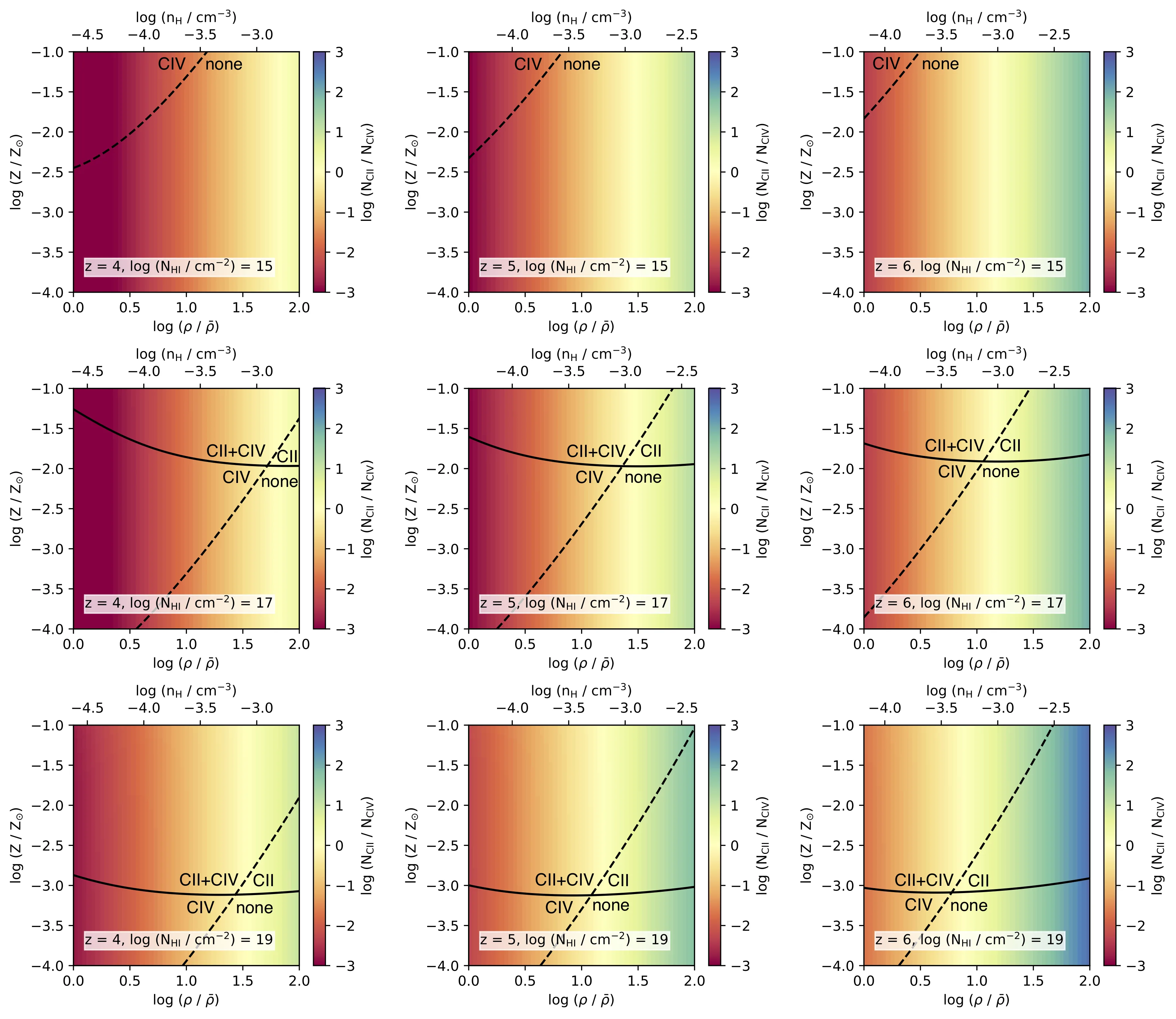
In the new study, scientists analyzed 488 gas clouds visible as absorption lines in the spectra of distant quasars. These clouds contain metals — elements heavier than helium, ejected by stellar explosions. By looking at which metal ions are present (for example, singly ionized carbon CII or triply ionized CIV), we can infer how strongly the gas was ionized by radiation.
It turns out that the fraction of clouds with only low ionization drops from 24% at redshift 6 to 2% at 4.3, while the fraction with only high ionization rises from 52% to 82%. In other words, over time the gas around galaxies became more 'transparent' to ultraviolet light. Scientists attribute this to two factors: the gas became richer in metals (which are easier to ionize), and the gas itself became less dense due to the expansion of the universe, while the ultraviolet background intensified.
This is similar to how morning fog dissipates as the sun rises higher: the brighter the light and the fewer water droplets in the air, the clearer the atmosphere becomes.
The epoch of reionization lasted roughly from 400 million to 1 billion years after the Big Bang. During this time, the universe went from being nearly opaque to ultraviolet light to completely transparent.