The Heart of a Neutron Star: How Particle Partners Change Its Temperature express
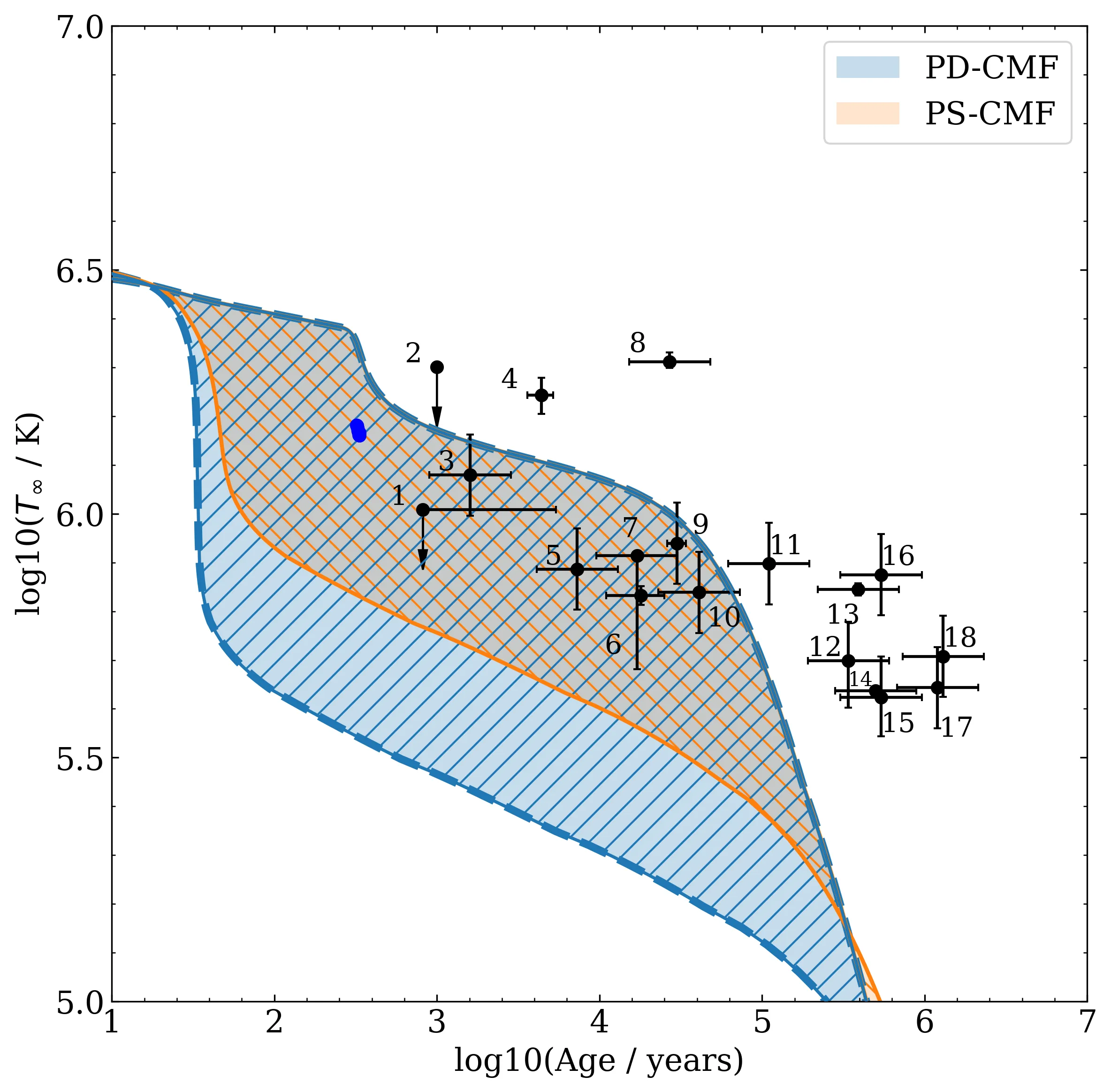
A neutron star is the remnant of an exploded star, compressed to the size of a city. In its core, matter is packed so densely that a teaspoon of such material would weigh as much as a mountain. At such densities, as predicted by the theory of strong interactions, particles acquire 'twins'—parity partners. It's as if every resident of a city suddenly had a twin with the same habits but mirrored.
For the first time, scientists have included these twins in calculations of how a neutron star cools. It turns out that the twins participate in special reactions that carry heat away from the core, like an open window drawing warm air out of a room. For massive stars, this dramatically changes the picture: they cool faster than previously thought.
The new calculations match observations better: the temperatures and ages of real neutron stars are now explained more accurately. This means that particle twins may indeed exist in the depths of such stars. And it's a step toward understanding the densest matter in the universe.
A neutron star the size of a city can weigh more than the Sun, and its temperature in youth reaches a billion degrees, like at the moment of the Big Bang.
In Bruce Sterling's novel 'Schismatrix', neutron stars and exotic matter play a key role in interstellar politics.