A Star Winks: Dust from a Planetary Collision express
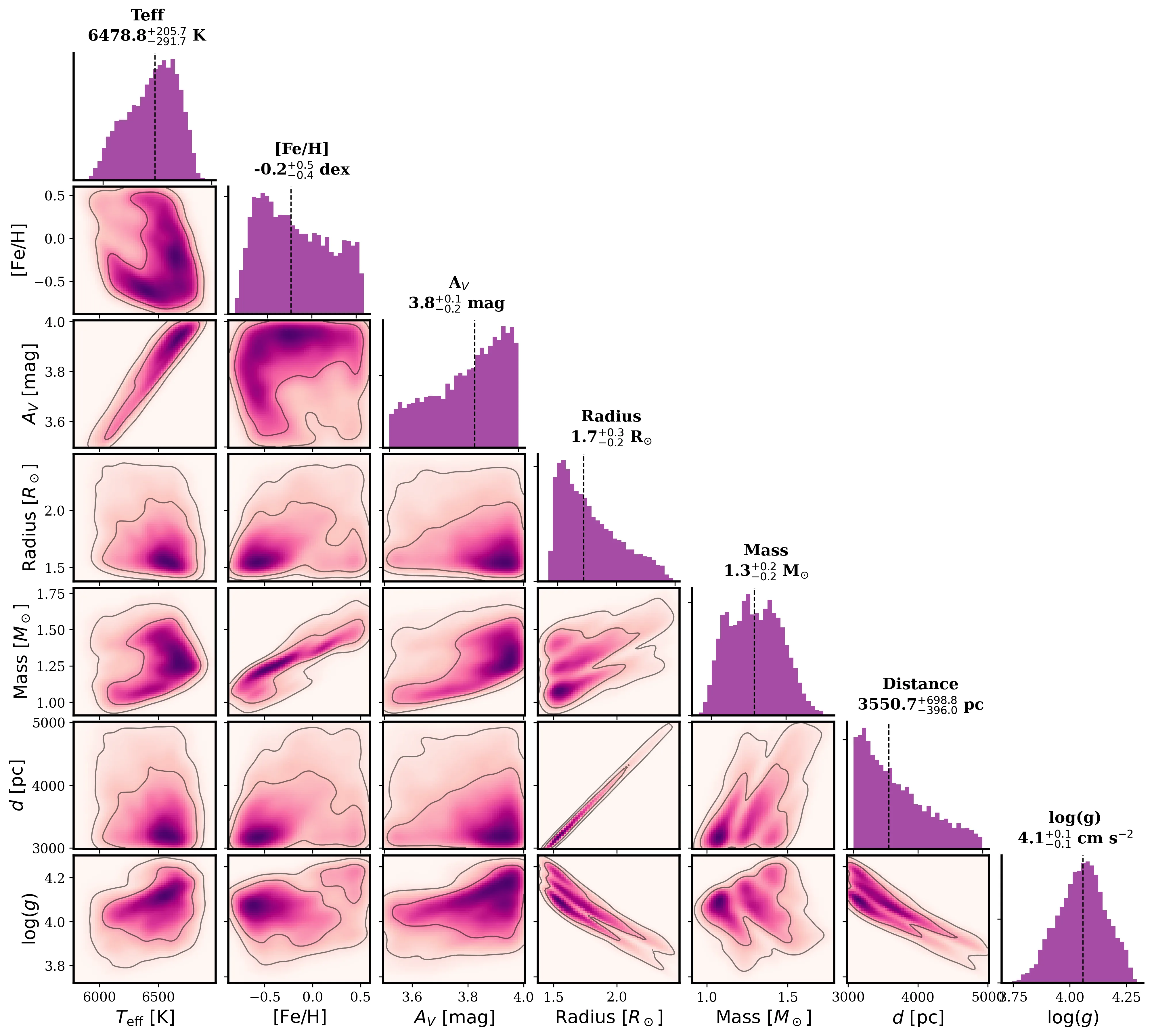
In a constellation where new stars are born, one of them behaves like a faulty lightbulb: sometimes shining steadily, sometimes dimming by a factor of several. Astronomers have been monitoring the star Gaia-GIC-1 for several years and now understand that its blinking is the shadow of a huge dust cloud that periodically passes in front of it. The dust is not just cosmic debris but fresh fragments: it seems that two planets recently collided there.
Every 380 days, the cloud completes an orbit and blocks the star again. Scientists have measured that there is a lot of dust — by mass, equivalent to a small asteroid. And it doesn't disperse but holds together, like a clump of mud thrown into a pond. This means the debris hasn't had time to spread out and continues to collide with itself, generating new particles.
Such observations are a rare stroke of luck. Usually we see fully formed planets, but here we witness the very process of their assembly. Perhaps, in a few million years, a new planet will form from this dust, like a pie from dough. And then the star will stop winking.
The dust cloud is so dense that at times it blocks more than half of the star's light — as if someone covered a flashlight with their palm.