Double Signal: Quantum Noise Retreats express
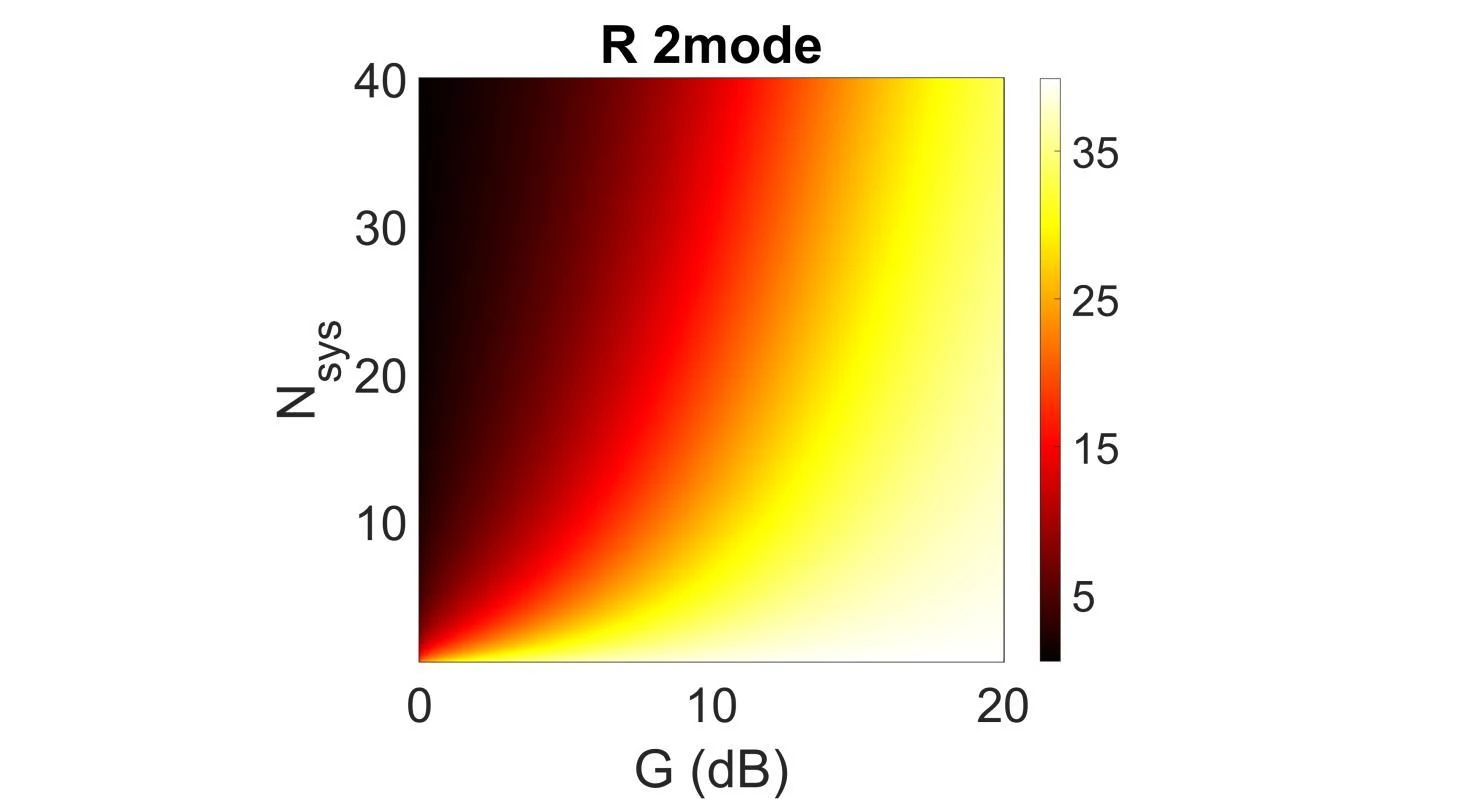
A quantum bit (qubit) is like a barely discernible whisper in a hum of voices. A regular amplifier makes the whisper louder, but along with it, the hum as well, making it harder to hear the essence. Physicists have created a clever device that generates two identical signal-whispers at different frequencies — the original and its echo.
Upon addition, the useful whisper doubles, while the random noise weakens itself. This resembles spectroscopic analysis — decomposing a signal into frequencies, allowing faint messages to be fished out from the mess of interference.
Even the best possible amplifier inevitably adds half a quantum of noise: that's quantum mechanics. The new method circumvents this fundamental limit by exploiting a hidden connection between the signal copies. As a result, qubit readout becomes more precise, like measuring a star's brightness through two telescopes, eliminating errors. Behind these breakthroughs lie decades of work: John Bardeen unraveled superconductivity, and David Wineland learned to measure quantum systems without destroying them.
The quietest amplifier in the world adds only half a quantum of noise: that's the fundamental limit. The new method circumvents it by using hidden correlations between two signals.