Why Rains in Brazil Follow the Sun's Schedule ✛
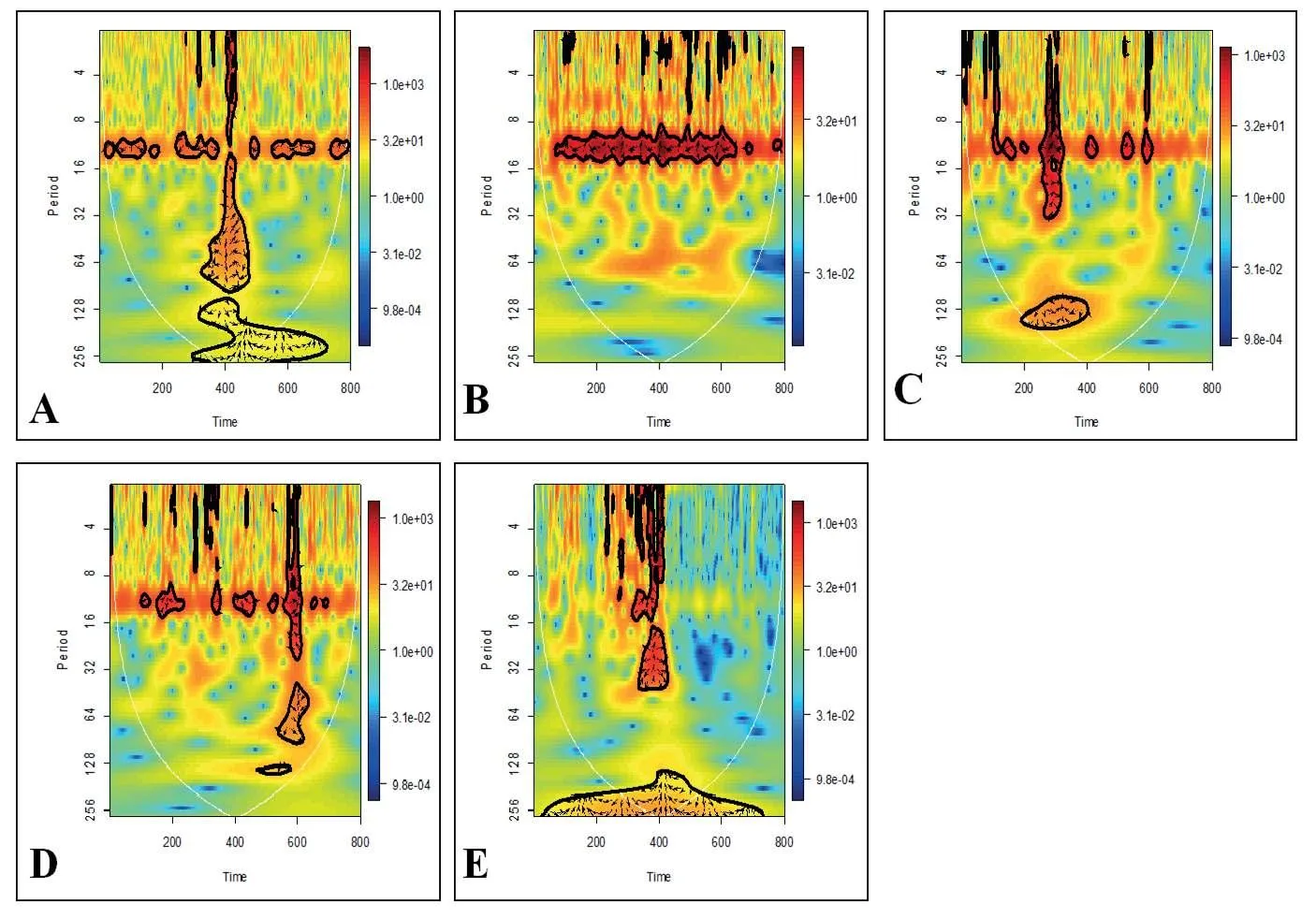
The Sun's face breaks out in spots, then clears again. This cycle lasts about 11 years, and it turns out that rainfall in northeastern Brazil changes in step with it. If you think of the climate as an orchestra, the Sun is the drum setting a slow beat, while the ocean and air pick it up on other instruments.
To see this, scientists took records of sunspots, pressure and temperature in the Pacific Ocean, and rainfall in five Brazilian cities, spanning 80 years. They applied wavelet analysis, a way to break a long series of numbers into waves of different lengths, much like splitting a musical recording into individual notes. It turned out that all these series share the same periods: 5.33 years, 10.66 years, and 21.33 years. The strongest signal is the 11-year one, matching the sunspot cycle.
Previously, no one knew whether these slow solar and oceanic rhythms were linked to rainfall in Brazil specifically. Now it is clear that they are: the rainfall records from five stations repeat the same periods as the sunspot numbers. This means that rains in this region are not random. They follow a rhythm set by the Sun and transmitted by the ocean. For farmers and reservoir builders, this is useful: knowing that the odds of drought rise every 11 or 21 years allows better planning of planting seasons and water reserves.
The sunspot cycle lasts on average 11 years, but over the past 80 years its length has varied from 8 to 17 years. Wavelet analysis allows you to see this period instability directly on the spectrogram.