Electrons Line Up into a Crystal express
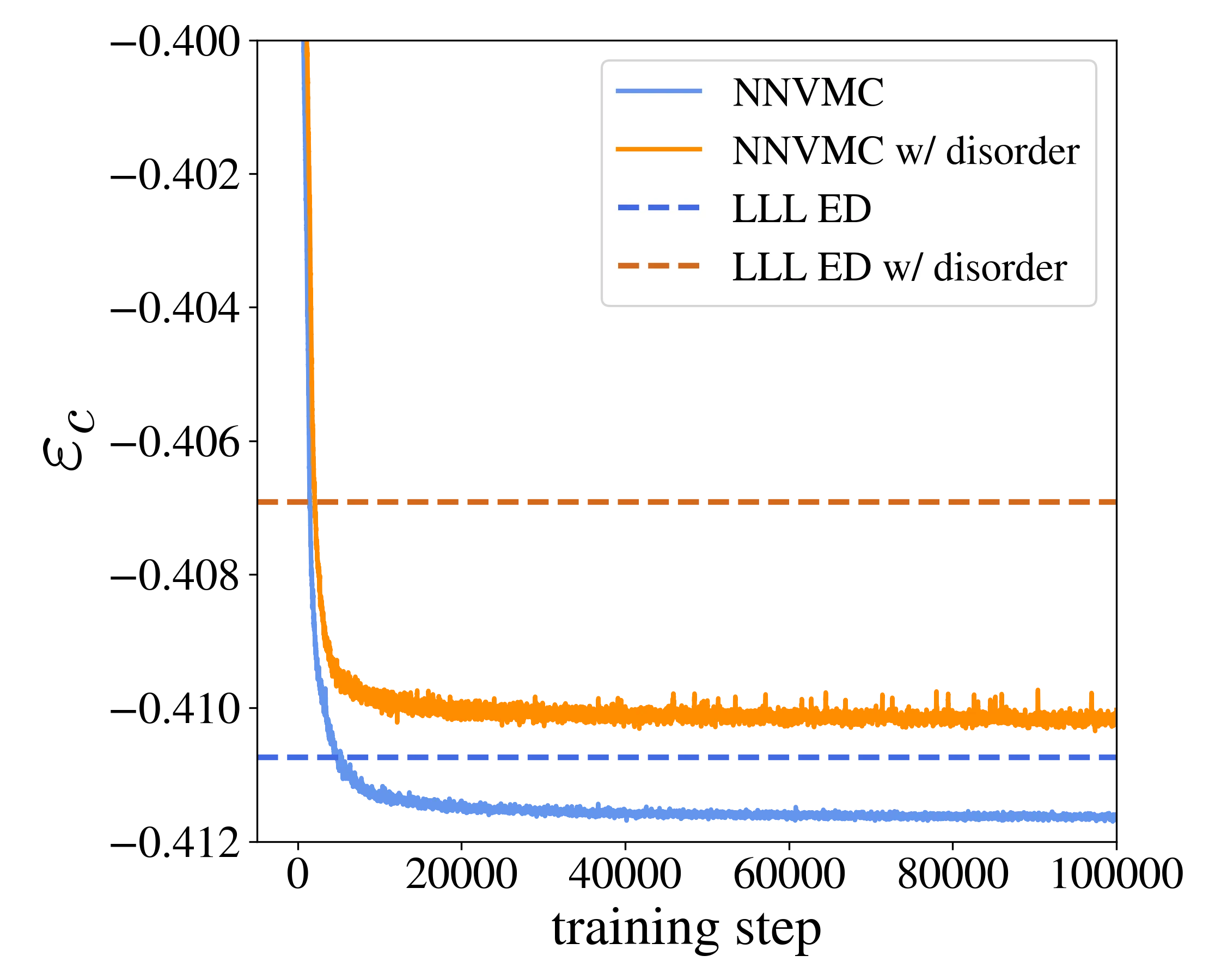
In a strong magnetic field, electrons trapped in a thin layer sometimes arrange into a regular pattern, like guests at a crowded party who find a spot where no one jostles them. This order is called a crystal, although it is not ice or salt, but the electrons themselves, frozen in place. Previously, this pattern was only hypothesized; now it has been seen directly for the first time.
It turns out that near one special point, when there are two electrons for every three empty spots, a crystal forms not from electrons but from the voids where an electron is absent. Physicists call these voids holes, and they behave like real particles. This crystal of holes explains a long-standing puzzle: why resistance suddenly rises again at this point, even though by all rules it should drop.
Further from this point, the pattern changes: holes give way to electrons, and at the boundary a network of electron filaments emerges, resembling cracks in dried clay. To see all this, scientists trained a neural network to search for the most stable electron arrangements. The network sifted through thousands of possibilities and found those that occur in nature.
Now physicists have a general map: where and when electrons freeze into a crystal, and where they remain a flowing liquid. This will help understand not only thin layers in the lab, but also the interiors of neutron stars, where similar conditions exist.
Crystals of electrons were predicted back in 1934 by Eugene Wigner, but they were first clearly observed only in 2024—nearly a century later.
In Liu Cixin's novel 'The Three-Body Problem,' aliens manipulate matter at the particle level, such electronic patterns could form the basis of ultra-dense memory.