Electrons at Light Speed Against Brain Tumors express
A garden hose shoots a thin, powerful jet. If you sweep it across the yard, you can water the whole bed without flooding the path. That's roughly how the new approach to treating deep tumors works: instead of a broad radiation field, you take a narrow beam of electrons accelerated to nearly the speed of light and scan it across the tumor like a jet of water.
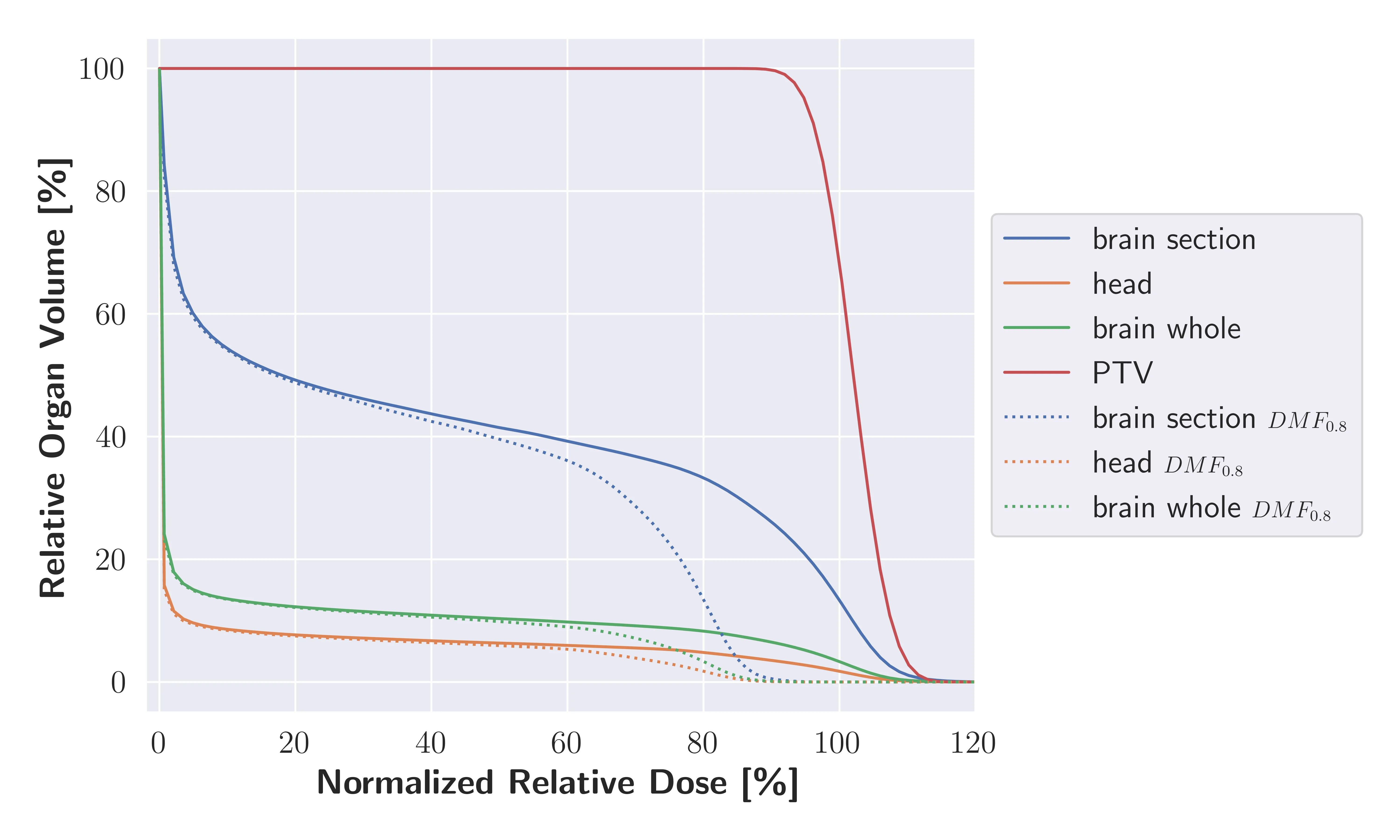
The electrons leave the accelerator with a wide spread in energy — the jet isn't uniform but rather 'fluffy' at the edges. But this very feature helps. When adjacent thin beams overlap (called mosaic overlapping), their irregularities smooth out. As a result, the entire tumor receives the required dose, while surrounding healthy tissue gets minimal exposure. The authors tested this with computer simulations on a brain tumor model. They also accounted for the so-called FLASH effect — a phenomenon where ultra-fast dose delivery (within fractions of a second) somehow spares healthy cells without reducing the destructive effect on cancer.
So far, the FLASH effect with laser-driven electrons has yet to be achieved in practice, but simulations already show that the path forward lies in increasing the accelerator's average power. If engineers succeed, oncologists will gain a tool that hits the target precisely and barely touches anything else, like a jet that waters only the bed and doesn't turn the paths into a swamp.
A standard radiation therapy session lasts minutes, but here the entire dose could be delivered in one millionth of a second — faster than the blink of an eye.
The technology resembles the medical rays from science fiction films that instantly heal or destroy, except here the beam is invisible and consists of charged particles.