How Cold Clouds Survive in the Fire of the Sun express
In the scorching solar corona, where temperatures soar past a million degrees, float cold, dense clouds — solar prominences. They hang for weeks, neither falling nor dissolving, like icebergs in a boiling ocean. How they got there is a question that has puzzled astronomers for decades.
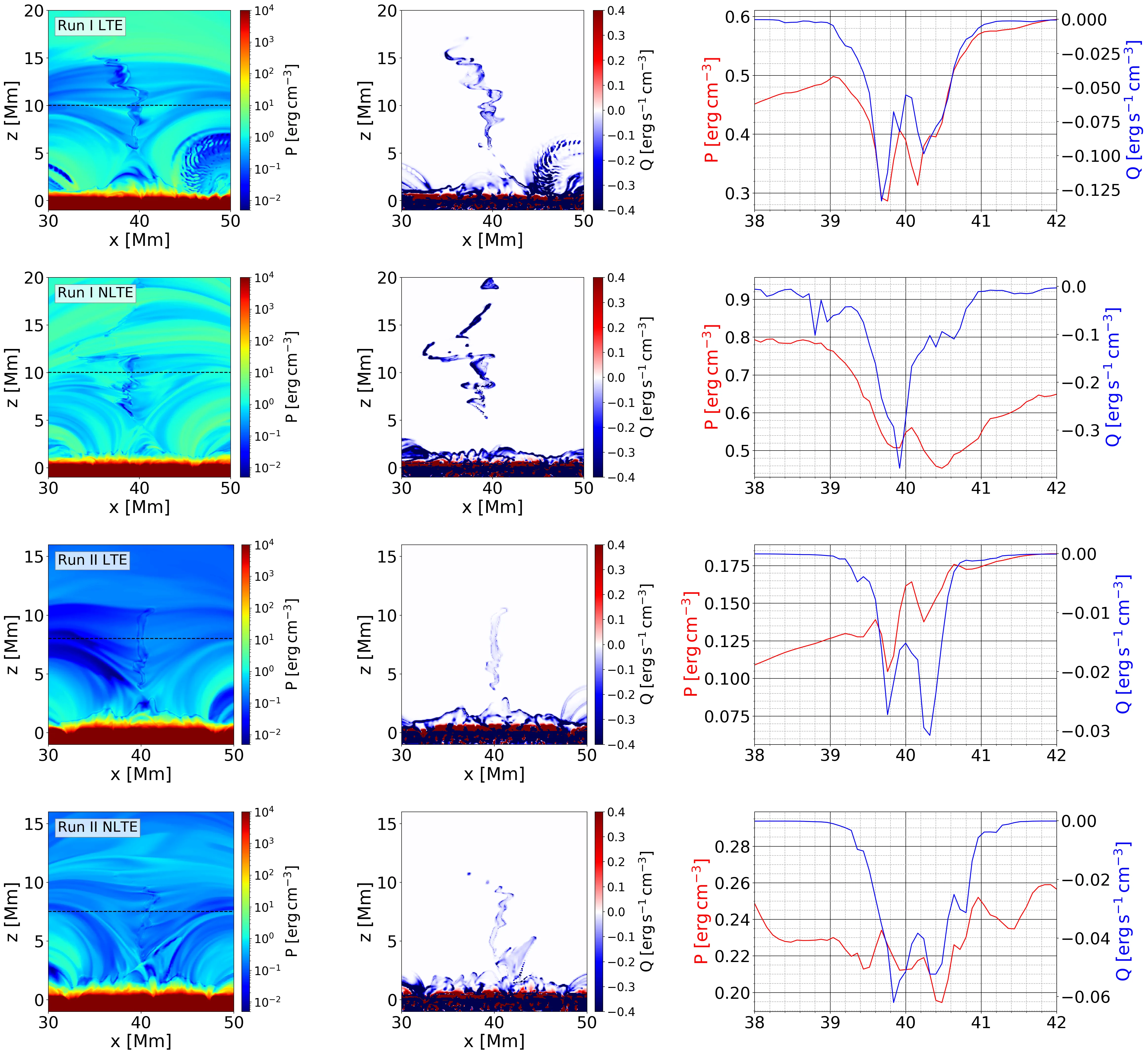
New 3D modeling covered all layers of the solar atmosphere and for the first time showed the entire journey from the surface to the corona. It all starts with a tiny nudge: from the churning chromosphere (the lower atmospheric layer), a dense blob of plasma randomly shoots out, like a cork from a soda bottle. Once in the corona, this 'seed' doesn't melt but begins to grow. It pulls in new material in two ways: from below, fresh plasma parcels keep arriving, and from above, hot coronal gas settles onto it, cooling and condensing on contact. Thus a small ejection turns into a giant cloud.
The properties of the virtual clouds matched observations of real prominences with surprising accuracy. But the biggest surprise: the key role is played by dynamics beneath the Sun's surface, which were previously ignored. It is this that triggers those random ejections. So to understand why prominences sometimes erupt and cause coronal mass ejections, we need to look not only at the sky but also into the star's depths.
Such a view changes the picture: a prominence is not just a cloud but a living organism that breathes with the Sun's surface. Its birth and death are dictated by invisible currents in the interior, and now we have a tool to track them.
A prominence the size of a dozen Earths can hang in the corona for weeks without disintegrating, even though it's surrounded by plasma a hundred times hotter.
In Stanisław Lem's novel 'Solaris', the ocean of a living planet also threw up bizarre structures that lived their own lives — much like prominences born from the depths?