A Quantum Motor That Runs on Its Own express
A driver turns the steering wheel to make the car turn. The quantum world also has its own "steering wheels"—external parameters that are slowly varied to shuttle particles from one place to another. That's how the Thouless pump works: by slowly changing conditions, you can pump a strictly defined number of particles, and that number is protected from disturbances by the geometry of the process itself. But what if you remove the driver and let the system turn the wheel itself?
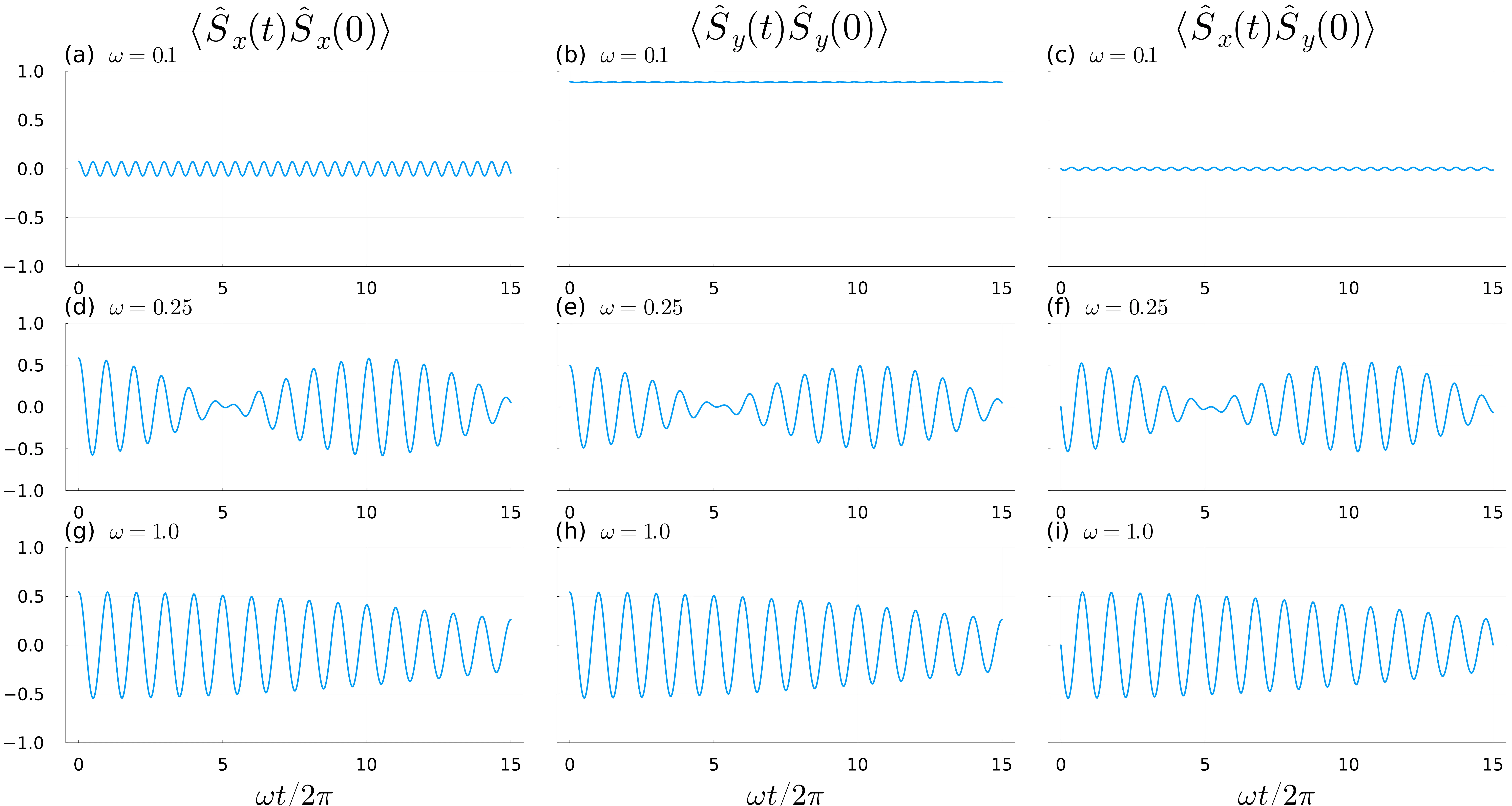
The authors of the new work proposed exactly that. They took a chain of atoms along which electrons move and added a quantum spin — a tiny magnet placed in a constant field. The spin begins to precess, like a spinning top whose axis traces a cone. This rotation naturally goes through the required cycle, replacing external control. The result is an autonomous quantum pump: no one pulls levers, yet particles are still pumped.
Not everything goes smoothly. Electrons passing along the chain feel the spin and can tug at it, disrupting the rhythm. In some states, this feedback destroys the pumping, as if passengers grabbed the steering wheel and interfered with the driver. But the researchers found a threshold: if the magnetic field is strong enough, the spin becomes "stubborn" and no longer gets knocked off. Above this threshold, pumping is restored and regains its topological protection — the very property that makes it insensitive to small perturbations.
The idea of an autonomous quantum motor paves the way for devices that operate without complex external electronics, relying only on internal quantum properties. Perhaps in the future, such pumps will become part of quantum computers or ultra-precise sensors.
The Thouless pump is named after David Thouless, who in 1983 showed that slowly varying a system's parameters can pump an integer amount of charge, and that number remains unchanged under small distortions of the cycle.
In Robert Ibatullin's novel "Rose and Worm," quantum mechanisms are described that operate on internal cycles without external intervention — much like the proposed autonomous pump.