How to Create the Perfect Single Photon express
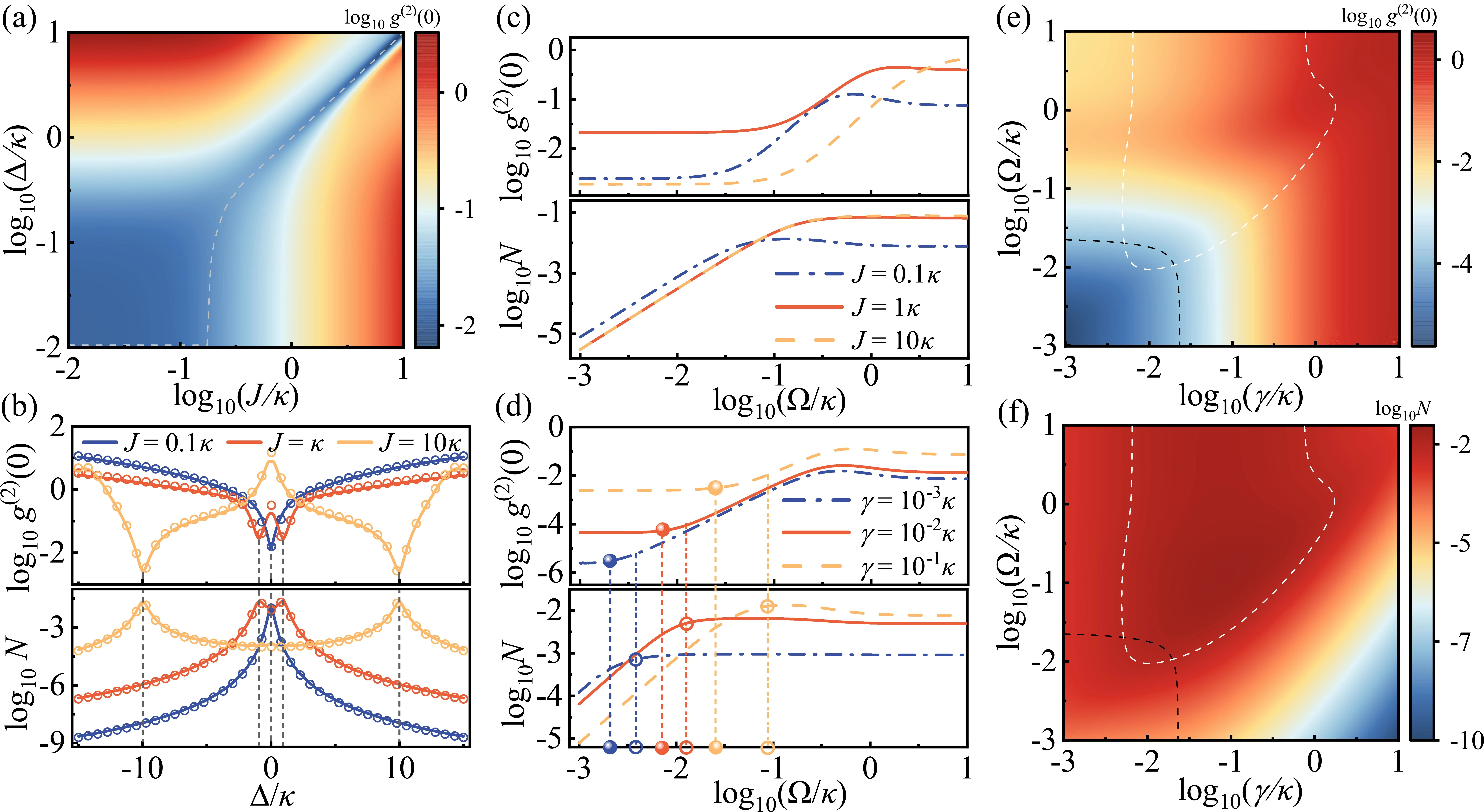
A typical photon source can be likened to a club entrance with a single bouncer. He tries to let people in one at a time, but occasionally couples sneak past. Physicists call this the purity problem: photons must arrive strictly solo, otherwise quantum computing breaks down. Old-school methods ruthlessly blocked pairs, but then brightness suffered, as if the bouncer spent so long checking each person that a long line formed outside. The new approach adds two more bouncers acting in unison. If the first spots a troublemaker, the other two instantly seal the entrance — no pair ever gets in. This triple-control system works fast and flawlessly even in a noisy setting where a lone guard might slip up.
The method requires no complex tuning and promises photon sources that are ideal for quantum computers and precision measurements such as spectroscopy and photometry.
To notice light, the eye needs at least ten photons at once, a single one remains completely invisible.