A Living Wire Made of Nickel Bricks express
In murky mud, between two electrodes, long chains of bacteria line up: each one as thin as a microscopic cable. Every such filament conducts current over a full centimeter, a true marathon for a microbe. The secret lies in fibers woven right into the cell envelope: electricity runs along them almost without loss, like through a copper wire.
Peering into the fiber with quantum calculations, the researchers saw that it is built from nanoribbons — flat strips just one molecule thick. Each ribbon is assembled, like a child's stacking toy, from identical nickel-organic rings (chemists call them NiBiD blocks). The rings stack in two ways: either directly on top of each other (AA stacking) or offset, like bricks in a wall (AB stacking). The second arrangement turned out to be stronger — extra bonds snap into place between the layers, and each nickel atom holds on with five 'grips' instead of four.
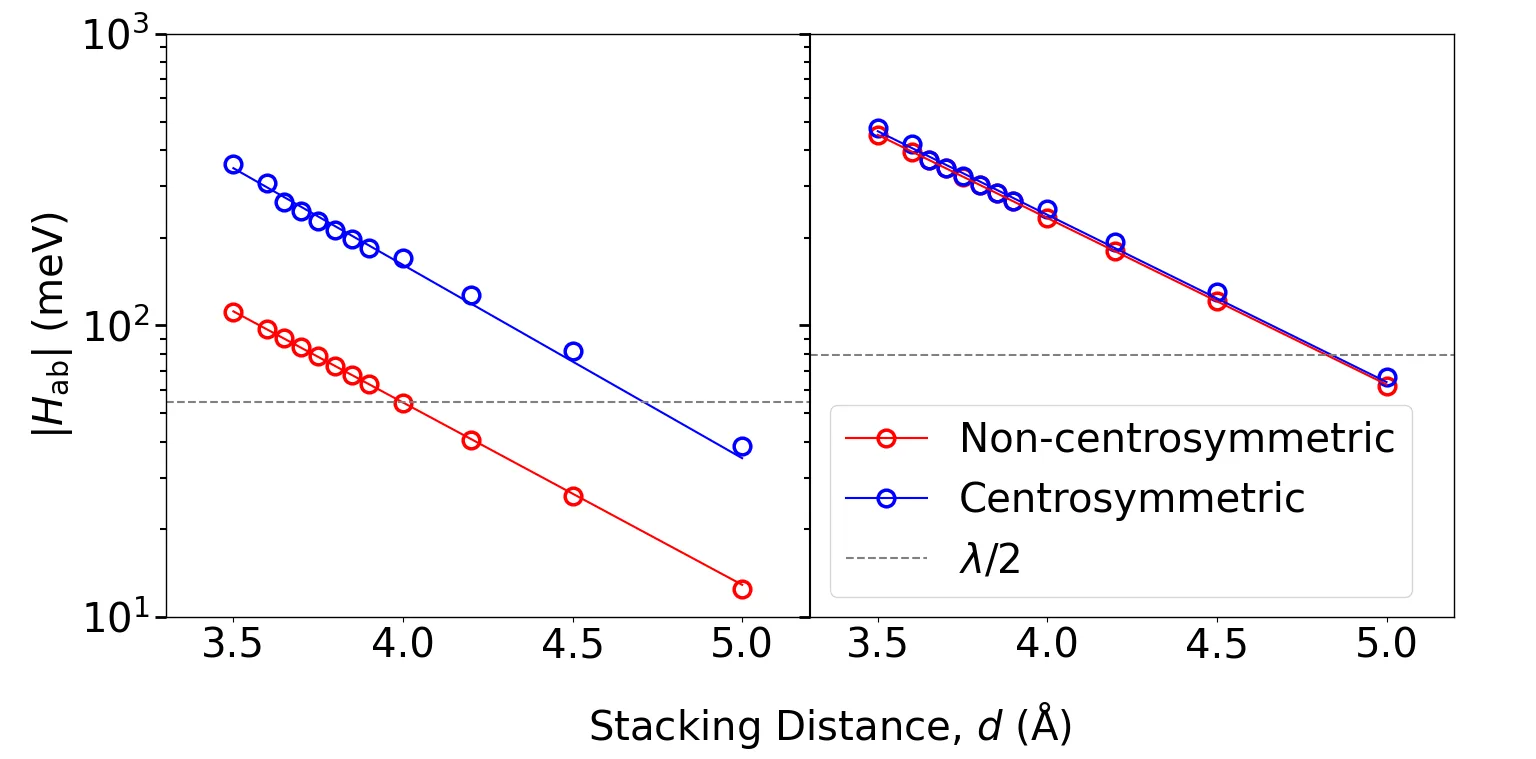
The big surprise is how electrons move. In the most stable stacks, the electron cloud of one ring overlaps so strongly with its neighbor that the charge doesn't stay put but spreads out across the whole ribbon. This isn't hopping from puddle to puddle; it's a smooth flow, almost like in a metal. This very mechanism lets the fiber carry current without overheating and with minimal losses, a boon for future biocompatible conductors.
Cable bacteria are the only known multicellular organisms that move electrons over centimeter distances through their own bodies, not along external pilus wires.