Laser switch for magnetic storms ✛
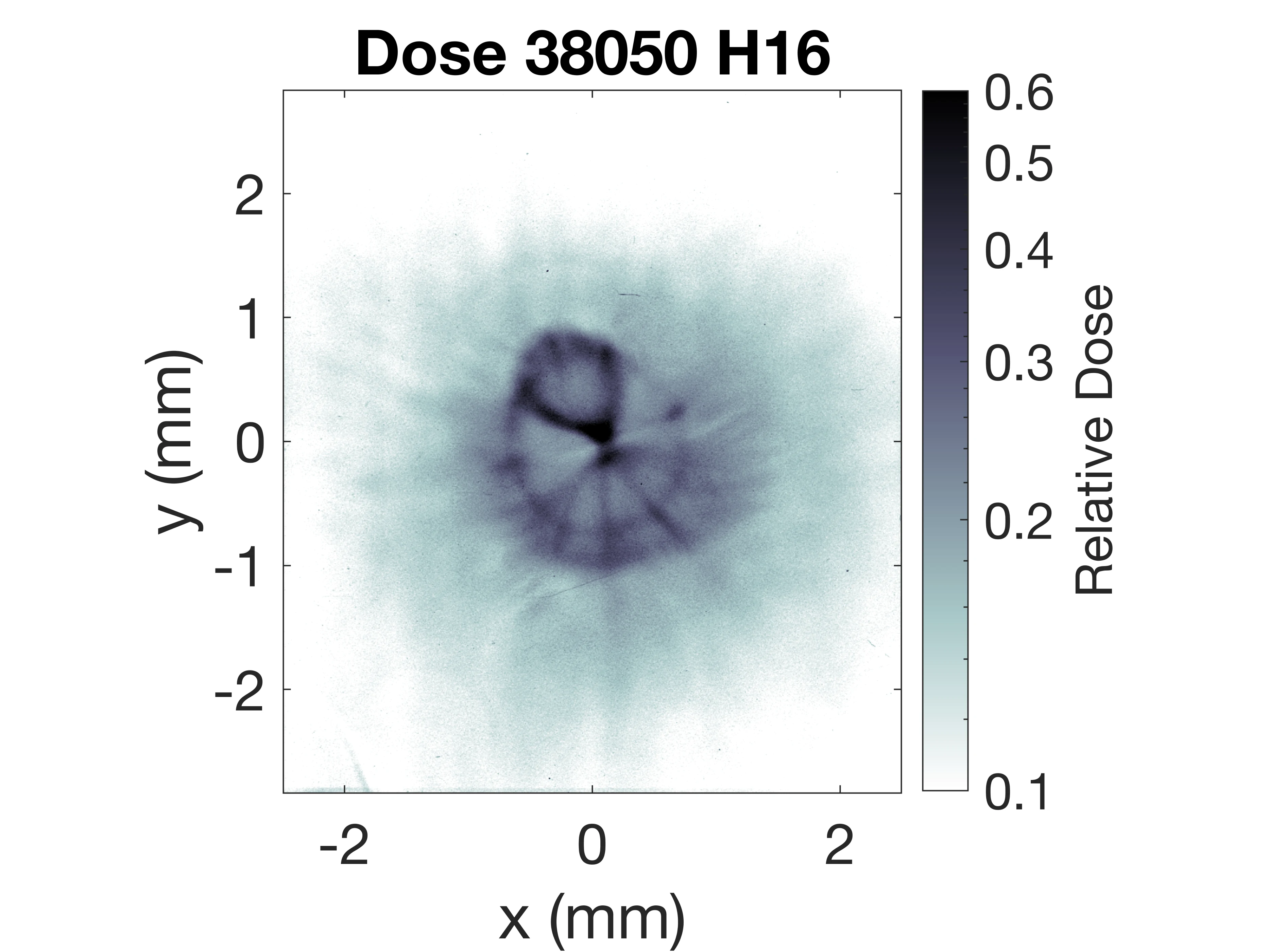
When two magnets are brought together with like poles facing, they repel. But if you squeeze them hard enough, the field lines break and rearrange, releasing energy. In plasma, a hot gas of charged particles, this process is called magnetic reconnection. It powers solar flares and hinders plasma confinement in fusion reactors. Now physicists have found a way to switch it on and off with a laser.
In the experiment, two long laser pulses created two plasma clouds with oppositely directed magnetic fields. When the clouds collided, a thin layer formed between them where the fields reconnected. A third pulse, very short but so powerful that it accelerated electrons to nearly the speed of light, struck this layer. These electrons generated their own magnetic field, which interfered with the process.
Previously, reconnection could only be observed. Now it can be controlled, like with a switch. This could help protect fusion devices from disruptions and create laboratory conditions similar to those in space.
The short laser pulse was 250 times shorter than the long pulses that created the plasma, yet its energy sufficed to completely alter the course of the process.