A Vacuum Cleaner in Plasma: Why Particles Gather at the Center of a Tokamak ✛
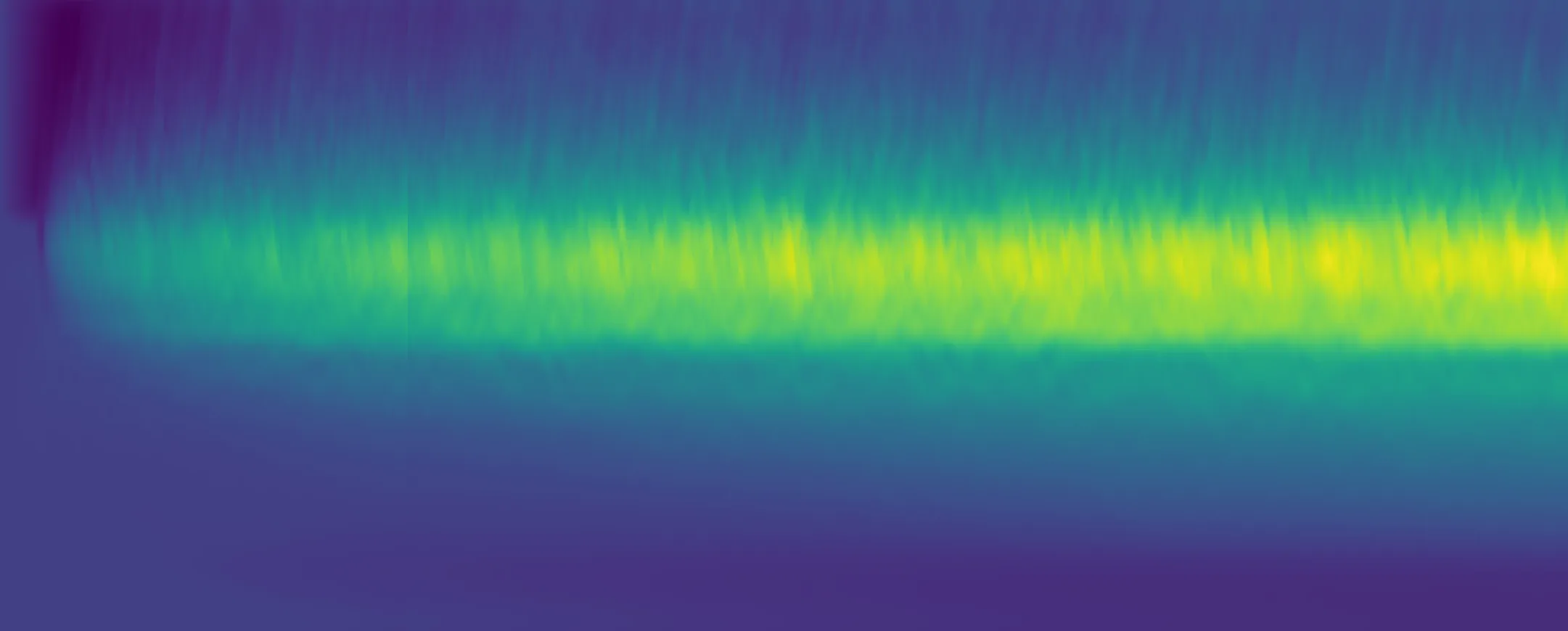
A vacuum cleaner sucks in dust even if there is more dust at the nozzle than in the bag. In a tokamak, plasma particles do the same: they move toward the center, even though their density is higher at the edge. This is strange, because usually everything spreads from a dense region to a rarefied one.
Scientists ran a computer model and saw how a peak grows at the center from a flat density profile. First, turbulent vortices carry particles, like people in a crowd passing each other in the right direction. Then an electric field switches on, slowly pulling particles inward.
Previously, it was thought that an electric field could not pull particles inward, but scientists accounted for plasma resistivity and found a small shift that changes the picture. When they turned off this effect, the density peak disappeared. So the vacuum cleaner really works.
This is important for fusion reactors: if we know where fuel particles will gather, we can better confine plasma and build more efficient devices.
In the simulation, particles 'swim against the current': they move from the edge toward the center even though the density gradient initially points outward. Such counterintuitive transport is possible due to correlations between density and electric field fluctuations, not ordinary diffusion.
The idea of plasma spontaneously compressing toward the center echoes the concept of the 'pinch' in science fiction, for example, in Larry Niven's novel 'Ringworld', where magnetic fields confine plasma in a reactor.