Why Is Lake Toba Shrinking?
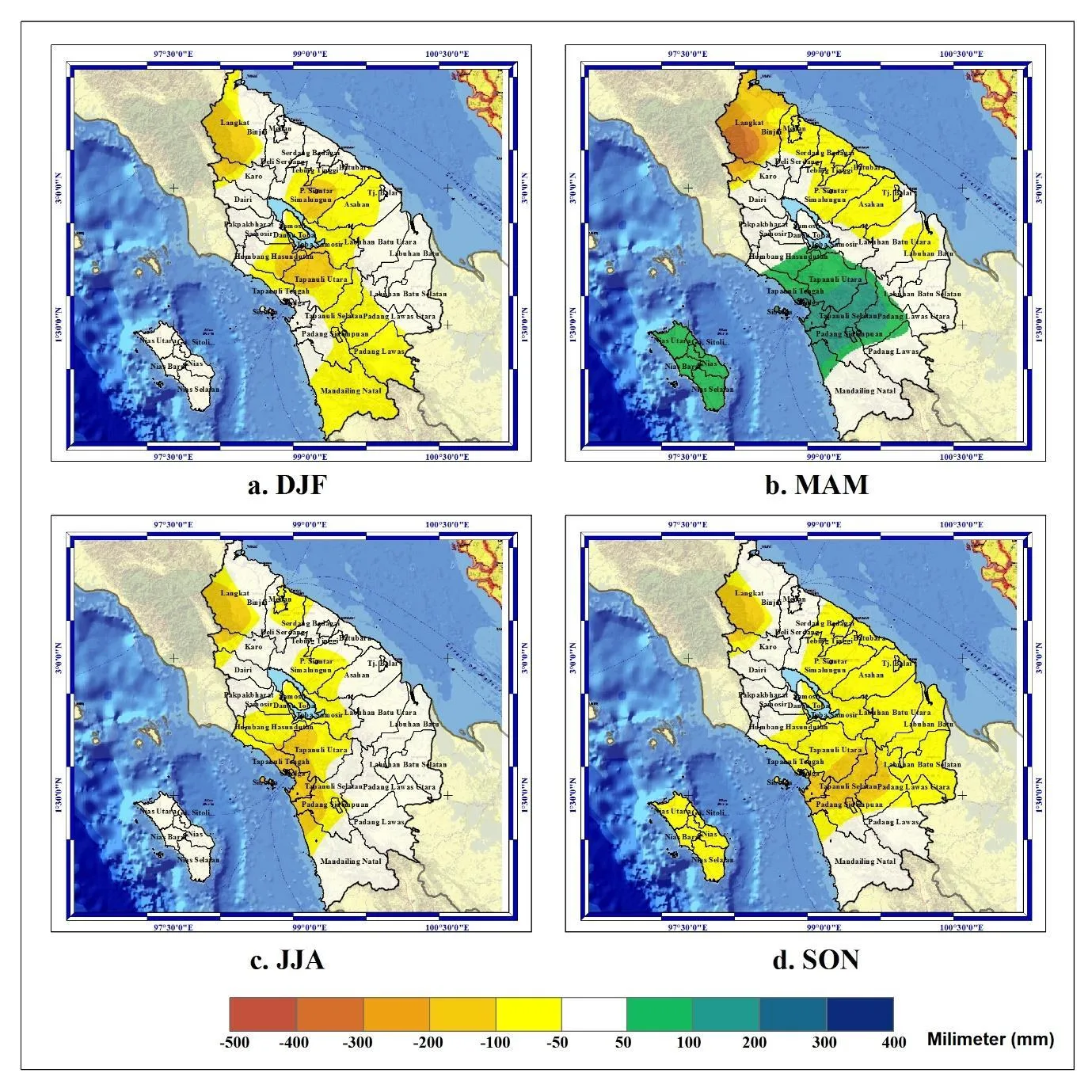
Lake Toba is like a giant bathtub in Sumatra. Rain fills it, while evaporation and taps opened by people drain it. For 60 years, the water level has been dropping by 2.4 centimeters per year. That may not sound like much, but over decades it adds up to nearly 1.5 meters. For those living by the lake, that means fewer fish, fewer tourists, and less electricity from hydropower plants.
Three burdens are pulling the water level down. The first is El Niño, the warm current in the Pacific Ocean that alters weather worldwide. When it arrives, rainfall over the lake diminishes and the dry season stretches longer. The second burden is heat. The air around the lake warms up, speeding evaporation. The third burden is human activity. People clear forests, build homes, and divert water for an aluminum plant. Bare ground does not hold water, so it runs into the lake faster but then leaves just as quickly.
Scientists gathered all the data and tried to figure out which burden is the heaviest. But so far they have not been able to: all three act together, and separating them is tricky. A new model is needed that accounts for weather, heat, and people. Then it will become clear how to keep Lake Toba from drying up completely.
Lake Toba formed about 75,000 years ago in the caldera of a supervolcano after one of the largest eruptions in Earth's history. Its average depth is 228 m, and its water is used for cooling an aluminum smelter and generating electricity.