Sulfur in the Clouds: Webb Spies a Super-Neptune's Atmosphere ✛
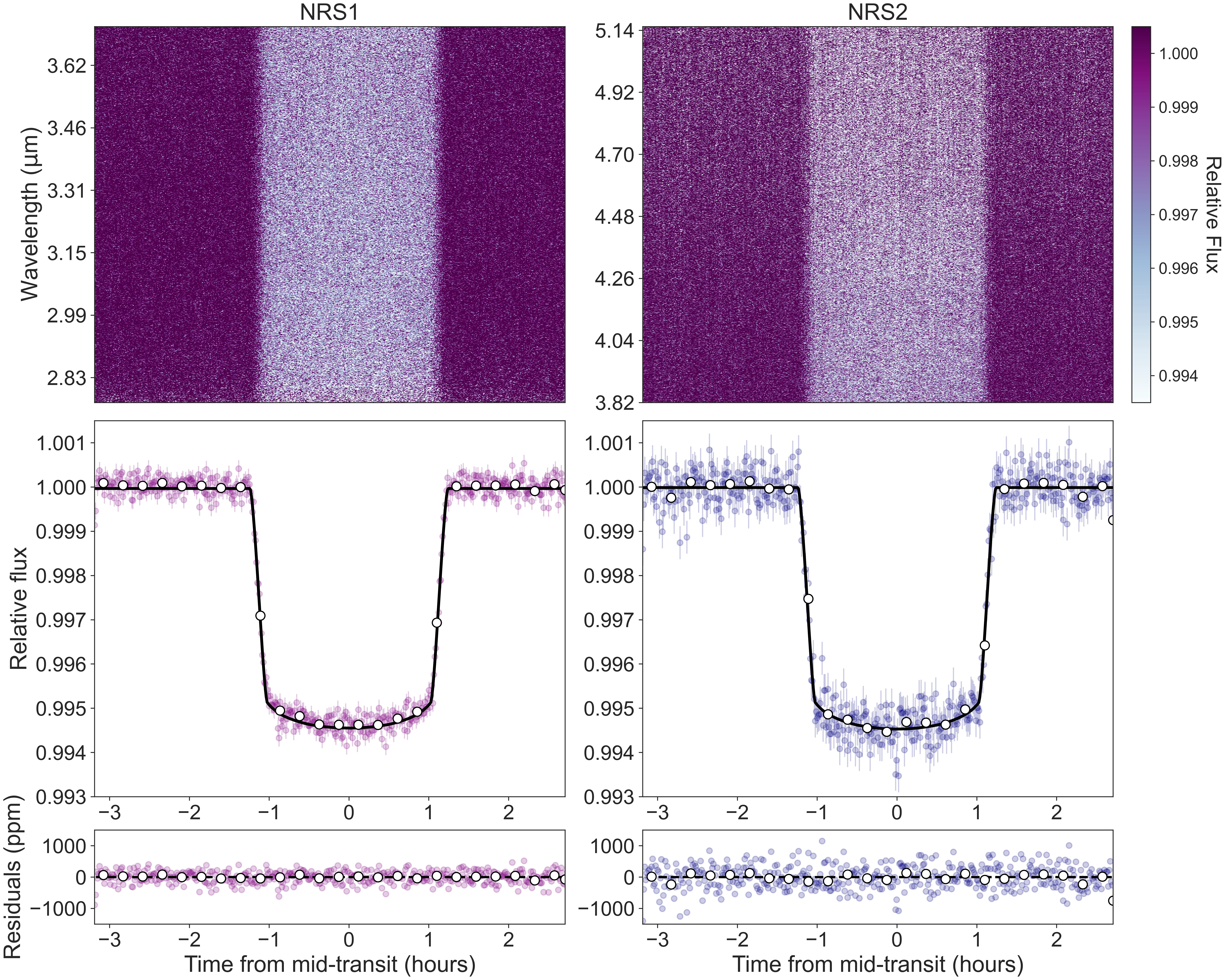
When starlight passes through a planet's atmosphere, it's as if it's sifted through a sieve: different gases filter out specific colors. By catching these leaks, the James Webb telescope identifies the chemical makeup like a connoisseur discerning a dish's ingredients by its aroma. This transit spectroscopy method was first used by David Charbonneau.
The exoplanet HAT-P-26 b turned out to be a veritable cosmic kitchen. In its air, Webb found water and carbon dioxide, but the key ingredient was sulfur dioxide — the very stuff that gives burnt matches their smell. Before, SO₂ was only 'cooked up' in the hellish heat of hot Jupiters or chilly sub-Neptunes, but now it's been spotted in lukewarm temperatures for the first time. This means the star's ultraviolet light runs the kitchen on planets cooler than 1000 °C.
A surprising twist: the amount of sulfur dioxide follows a strict recipe — the higher the metallicity (abundance of heavy elements), the more SO₂, but only up to 30 times the Sun's value; then the burner nearly shuts off. Theorists had predicted such a rich brew.
Astronomers call all elements heavier than hydrogen and helium 'metals,' so carbon, oxygen, and sulfur are metals to them too.
In the series 'The Expanse,' characters scan the atmospheres of distant planets for signs of life; now, such diagnostics are a reality for dozens of worlds.