AI Climate Model: Why It Repeats the Ocean's Whisper Too Loudly ✛
A translator hears the whisper of the tropics and repeats it too loudly. That is how the neural network climate model DLESyM behaves when shown real Pacific Ocean temperatures. The ocean whispers "El Niño," and the atmosphere shouts back. Scientists used a method on this model for the first time, previously applied only to traditional climate models: they forced the ocean temperature to match observations, separating the tropical influence from random noise.
It turns out that for the same tropical heating, the neural network produces a stronger response than the reference model CESM2. The difference reaches about 50 meters of geopotential height (the altitude at which pressure equals 500 hPa). It is as if the translator added extra decibels: the meaning is the same, but the volume gets in the way. At the same time, the model reproduces random atmospheric fluctuations almost perfectly. So the error lies not in the noise but in the learned sensitivity to the tropics.
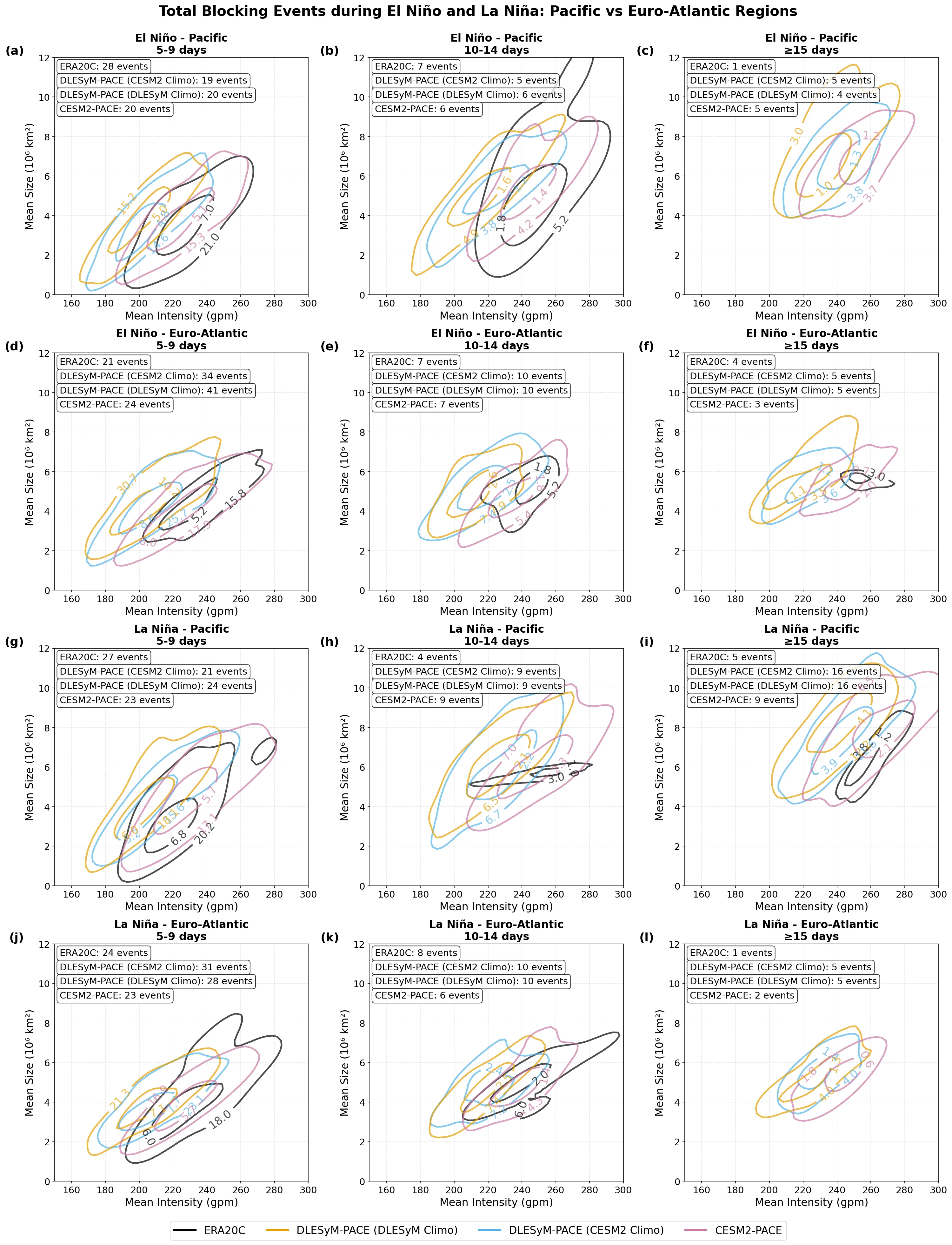
The distortion is especially noticeable in atmospheric blockings, which are persistent anticyclones that keep weather in place for weeks. The model overestimates their frequency and duration but underestimates their strength. Such a test will help validate new AI climate models before trusting their forecasts.
DLESyM was trained on ERA5 data from 1983 to 2016, which likely caused a warm bias in the equatorial Pacific: the training period was on average warmer than the entire 20th century.
In Kim Stanley Robinson's novel 'The Ministry for the Future', AI-based climate models are used to guide economic and political decisions. This work shows how cautious one must be with such models: even accurate statistics do not guarantee correct physics when it comes to rare and extreme events.