How a Drug's Charge Alters Its Path Under the Skin express
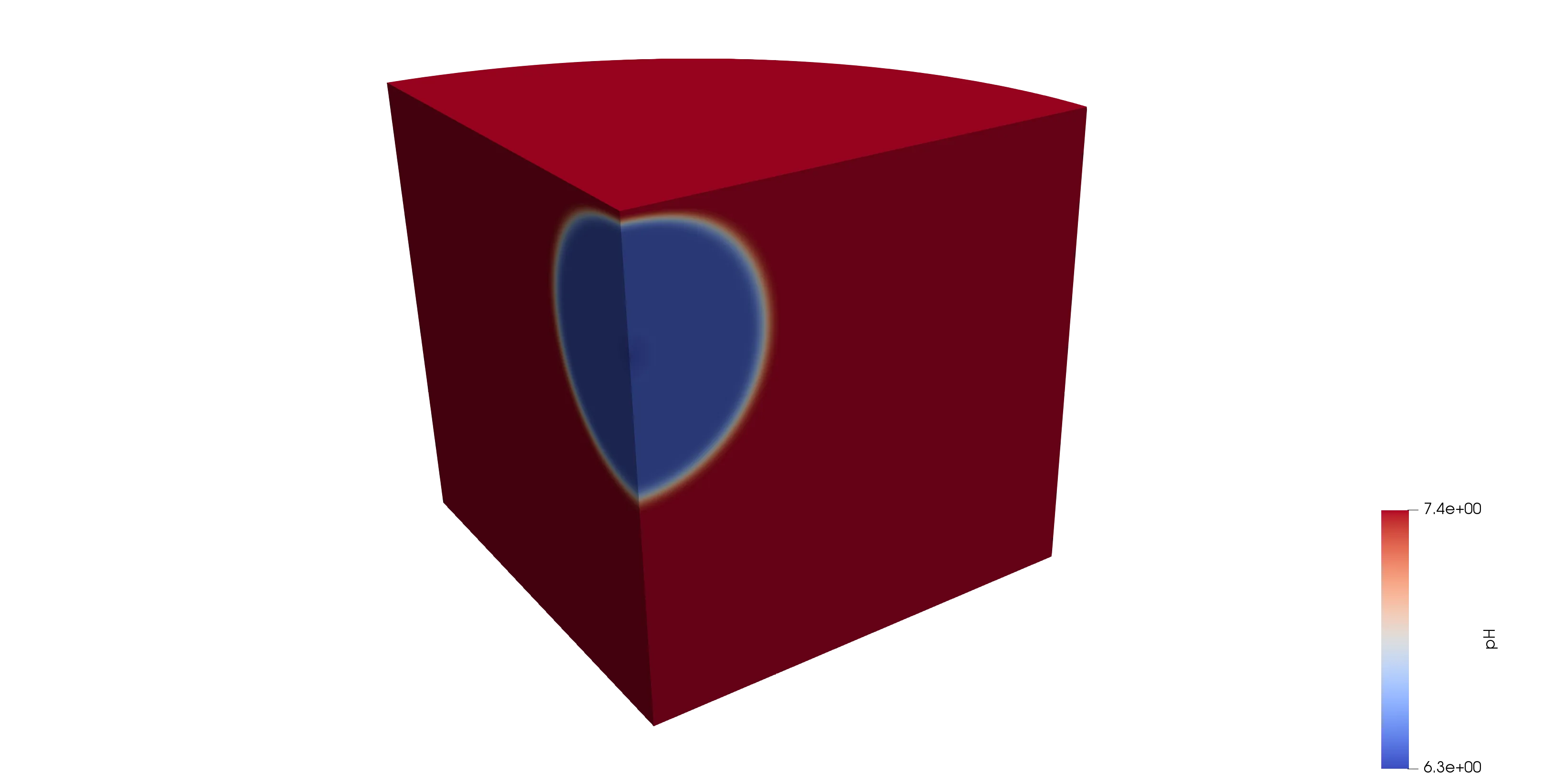
After an injection under the skin, a drug doesn't just spread out like ink in water. Antibody molecules carry an electric charge, and that charge makes them interact with surrounding tissues — much like a magnet attracts or repels iron filings. Some antibodies are positively charged, others negatively, and this determines how quickly they reach blood vessels and start working.
The authors built a mathematical model that, for the first time, combines fluid movement in porous tissue with electric forces between charged particles. They tested the model on two types of antibodies with different charges and compared the calculations with real data from lab experiments. It turned out that charge affects not only speed but also penetration depth: some antibodies linger near the injection site, while others travel deeper into the tissue.
The model also accounts for other factors: solution acidity, patient weight, needle depth, and drug concentration. Together, these determine what fraction of the drug reaches the bloodstream and how quickly. For doctors and pharmacists, this offers a way to predict in advance how much of a drug will reach its target without extra human trials.
This approach is akin to tuning a musical instrument: change one parameter, and the whole 'sound' of the treatment shifts. Antibody charge turns out to be one of those strings that was rarely touched before.
Monoclonal antibodies are proteins that the immune system naturally produces to fight specific targets; in medicine, they are created in the lab and used against cancer, autoimmune diseases, and infections.