The Quantum Puzzle of Nitrogen express
In every handful of fertile soil, there are bacteria that do something no factory can: they take nitrogen straight from the air and turn it into fertilizer. The secret lies in the enzyme nitrogenase, and its working core, a cluster of iron and molybdenum atoms, looks like a tiny factory floor.
Chemists have long tried to understand how this factory works from the inside. In the new study, they calculated the energy of the lowest, most relaxed state of the cluster. To do this, they needed two powerful computational methods that usually don't work together: one is great at describing simple states, the other handles complex ones. They combined them and got a number with an accuracy that chemists consider gold standard.
It's like a part that has several equally comfortable positions and can rest in any of them. This ambiguity makes it hard to pin down which state is the real one. But it also explains why experiments give conflicting results.
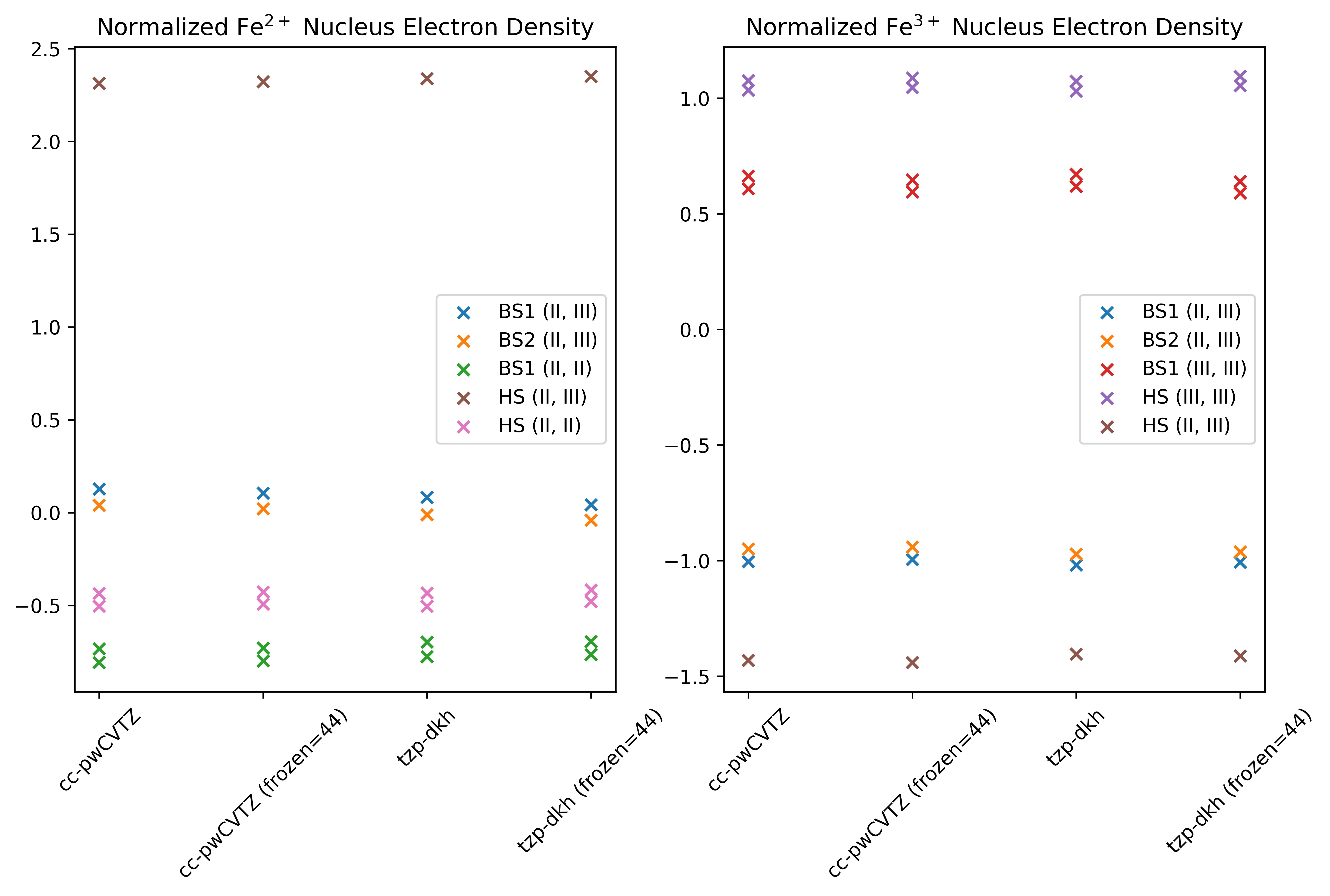
The scientists tested what happens if you include additional electronic effects or slight vibrations of the protein. It turned out that the picture barely changes: several states remain almost equally favorable. This means the enzyme really works under conditions where multiple "bottom" options coexist.
Now that the energy is known precisely, we can test how well quantum computers handle such calculations. And that's a step toward one day replacing the energy-hungry industrial process of making ammonia with something cleaner and cheaper.
Industrial ammonia production consumes about 1–2% of all human energy, while bacteria do the same thing at room temperature and normal pressure.