Magnetar Polarizes X-rays Up to 47% express
Neutron stars are ultra-dense remnants of supernovae the size of a city. In the 1930s, Fritz Zwicky hypothesized their existence, and later Jocelyn Bell Burnell discovered pulsars — rapidly rotating neutron stars. Magnetars are the rarest variety, with magnetic fields billions of times stronger than Earth's. It can influence the void itself.
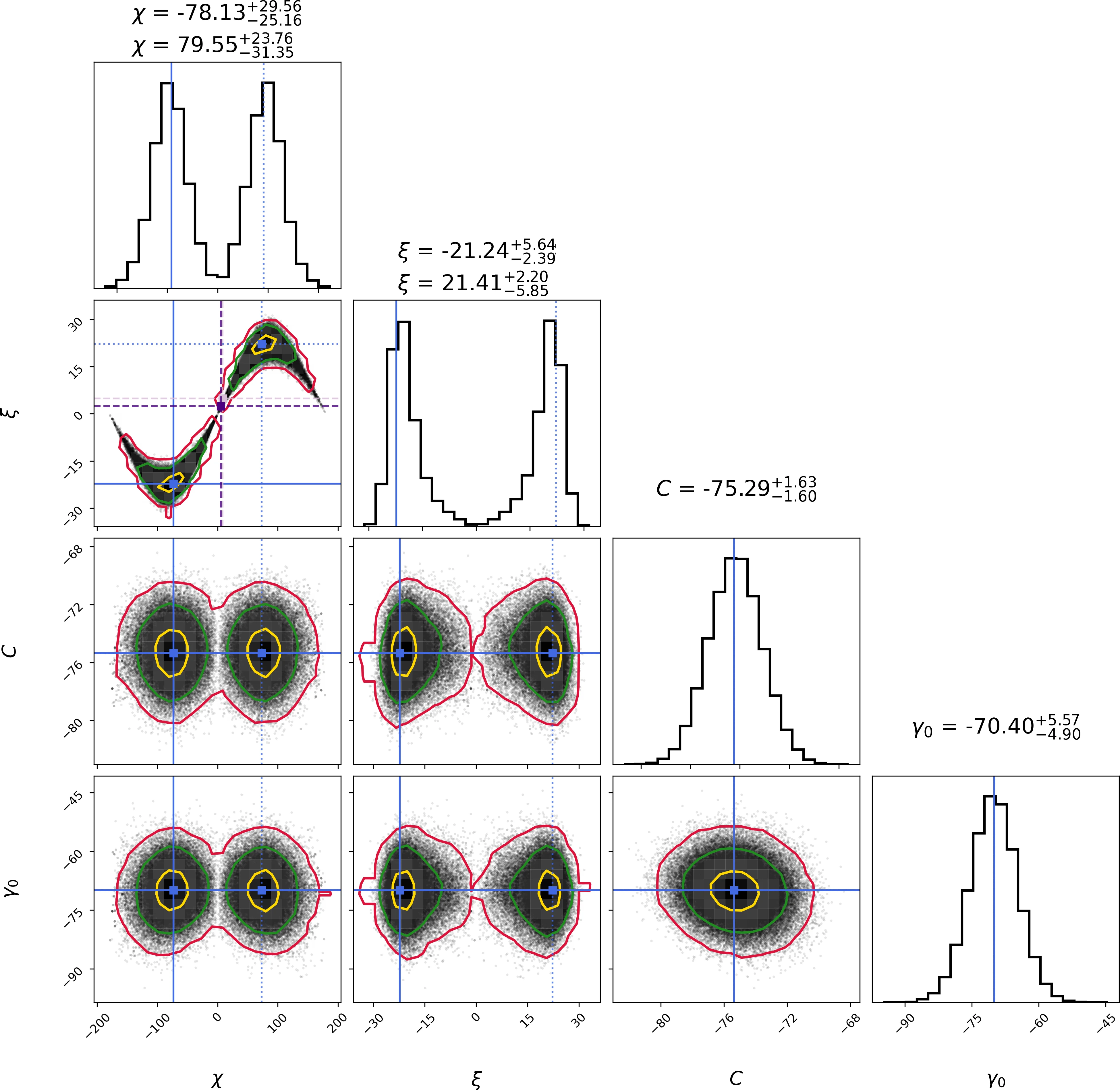
Recently, the IXPE X-ray telescope captured emission from the magnetar 1E 1547.0‑5408 and found an unusual property: almost half the light oscillated strictly in one plane, like after passing through polarizing sunglasses. But while in everyday life polarization is created by a filter, here space itself played that role. The star's magnetic field turned the vacuum into a kind of crystal, aligning the X-ray waves. This 'cosmic crystal' helped refine the tilt of the star's magnetic axis: it turns out it rotates at nearly a right angle.
A city-sized magnetar carries a hot spot heated to millions of degrees — hotter than the Sun's core.
In sci-fi, magnetars are fearsome guardians of the deep: their invisible radiation can disable a starship millions of kilometers away.