How the Brain Passes Thoughts express
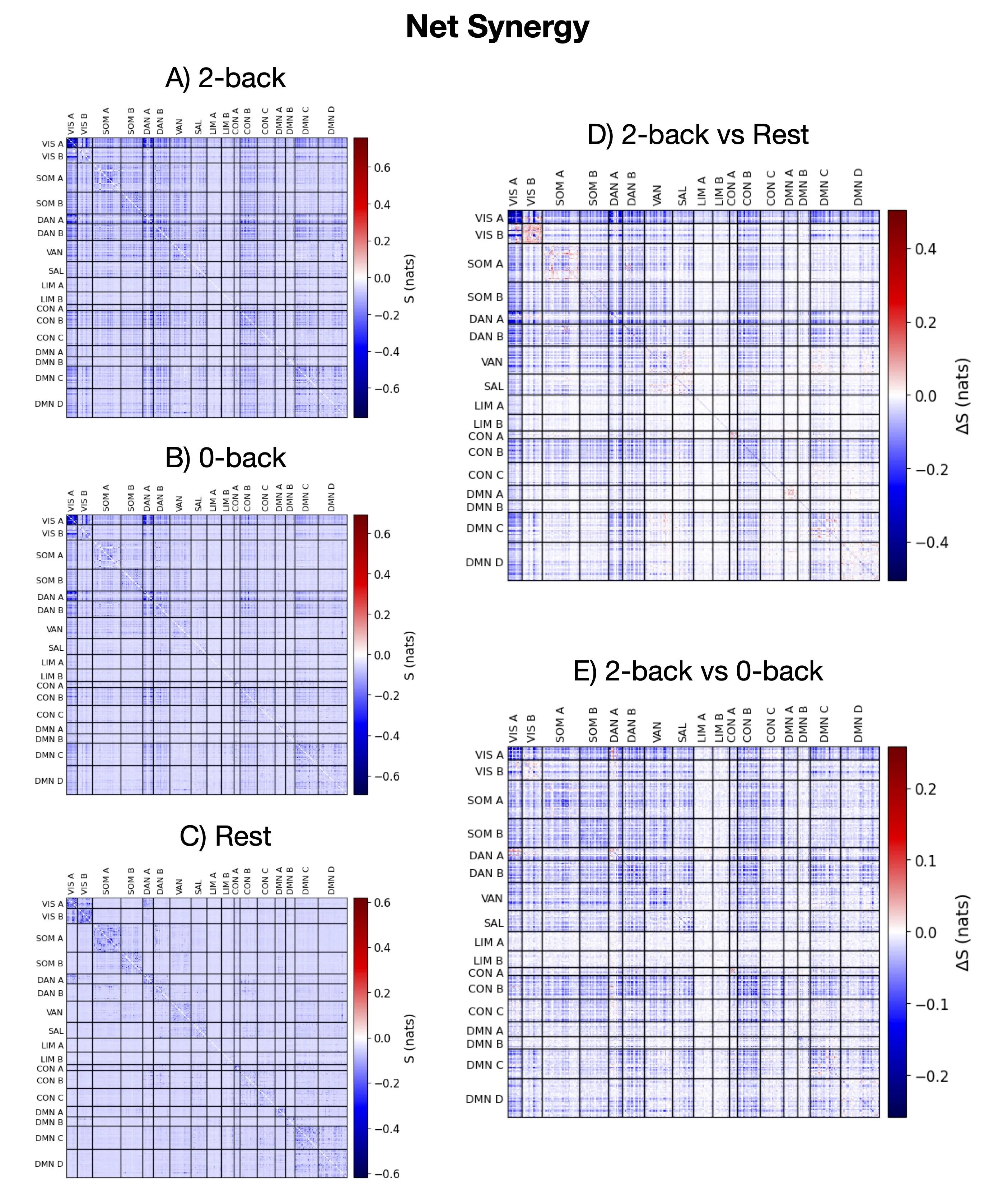
Imagine an office where employees exchange notes. When there are few tasks, everyone works independently. But when an urgent order arrives, some departments start actively messaging others, and the overall work becomes more coordinated. That's roughly how the brain behaves when we try to hold several things in mind at once.
Scientists have found a way to peek into this "correspondence." They used brain scan data from 470 people performing a memory task: they had to track a sequence of letters and respond whether the current letter matched the one two positions back. The harder the task, the more information you need to keep in mind. The researchers didn't just look at which areas were active; they measured how much information each area stored and how much it transmitted to others.
This approach opens a new avenue for studying thought. Instead of just seeing where the "light bulb" lights up, we can understand how information actually flows through the brain. This could help diagnose memory or attention disorders and develop more precise brain-computer interfaces.
The experiment involved 470 people — about the population of a small village. Each underwent scanning while performing a letter memory task.
In the movie "Total Recall," characters use implants to alter memories. Research like this shows how the brain actually encodes and transmits information, bringing science fiction closer to reality.