How LHC can hear dark matter ✎ express
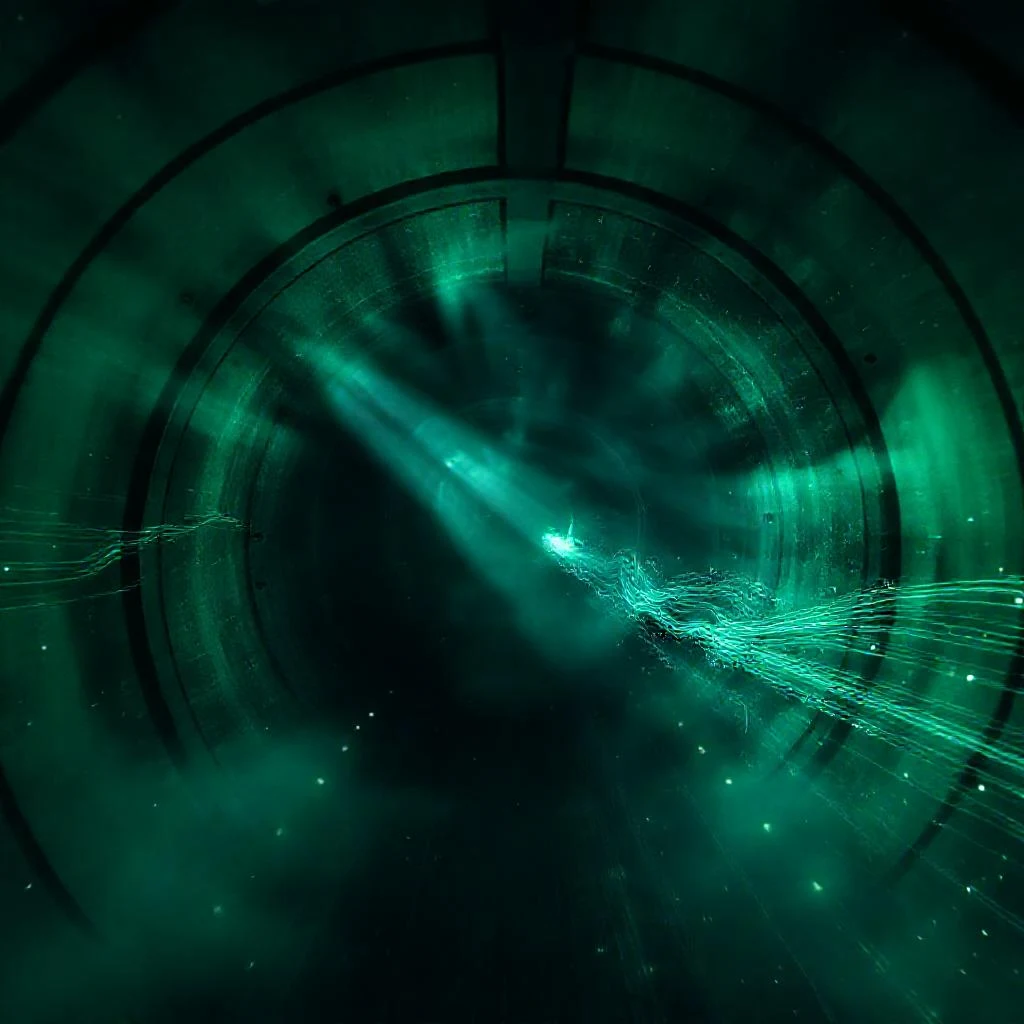
Hidden in the heart of the Alps is the Large Hadron Collider. From time to time its detectors register sudden bursts — scientists call them UFOs (Unidentified Falling Objects). According to one theory, these are not equipment malfunctions at all, but traces of dark matter. The thing is that dark matter, which holds galaxies together, could consist of tiny clumps of antimatter — the size of a dust grain but with the mass of a paperclip.
When such a clump shoots through Earth's rocks, it creates a powerful sound wave. A hundred kilometers away from the LHC, this is enough to momentarily shake the proton beam — and a UFO is born. If within two seconds we catch three such signals from different sides of the ring, we can confidently say: dark matter has 'knocked'. And at the same time, explain why after the Big Bang matter remained while antimatter disappeared.
The energy of the sound pulse from such a clump is comparable to the impact of a large meteorite, but only the 27-kilometer LHC ring, turned into a giant seismograph, can hear it.