Light Catches Electrons on the Fly express
Sunlight hits a rooftop, and electrons are born in a thin film. They must reach the wires before they cool down and lose their energy. In tin sulfide, a cheap and accessible material for batteries, this sprint and cooldown has now been captured with unprecedented sharpness: frames follow every billionth of a billionth of a second.
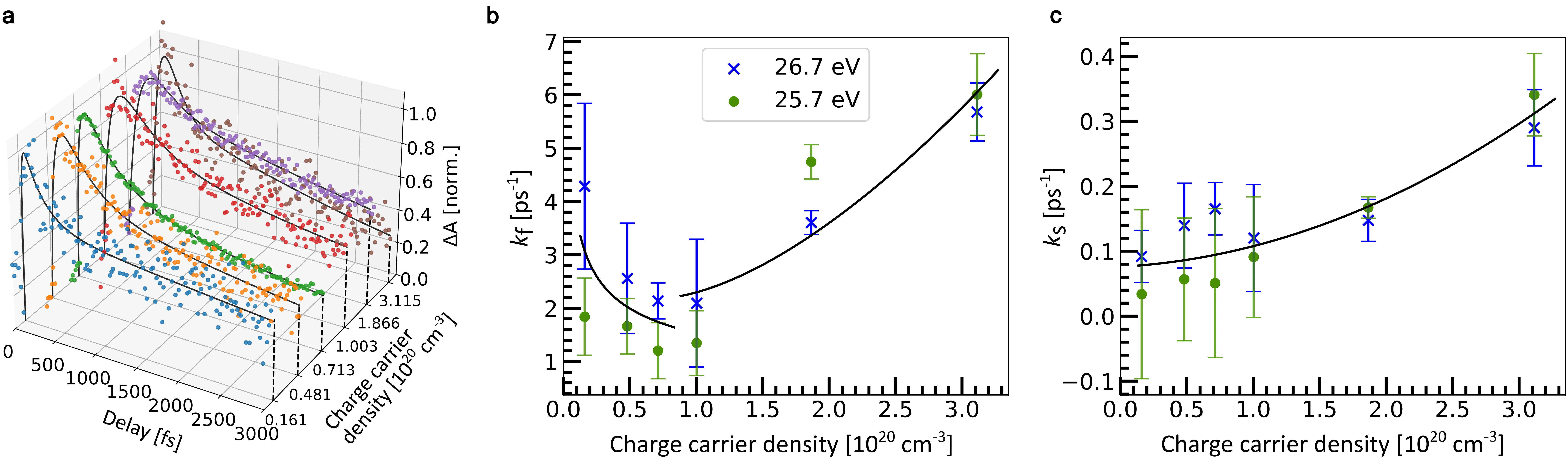
The laser pulse knocks out electrons like a cue stick sending billiard balls scattering. Right after the strike, the balls race fast but gradually slow down as they collide with each other and the cushions. The scientists watched the light the material absorbs during such collisions. Under weak light, as if there are few balls, and they mostly lose speed against the walls. Under strong light: there are so many balls that they start getting in each other's way, and the whole batch freezes faster.
But there's also a table tremor in this game. The crystal's atoms vibrate, and their rhythm—188 femtoseconds per oscillation — shows up in every snapshot. Electrons don't just fly on their own; they're nudged by the lattice's jitter. Understanding this rhythm could help build solar cells where electrons reach their destination without losing energy along the way.
An attosecond is so short that more of them pass in one second than seconds have passed since the Big Bang.