A Charge for Future Planets express
In the cold gas cloud where a star is born, chemistry sleeps. Molecules barely collide, reactions stall. But when a charged particle zips through the cloud, it knocks electrons off atoms — ionizing them. That's how active ions appear in a dormant cloud, ready to build new molecules.
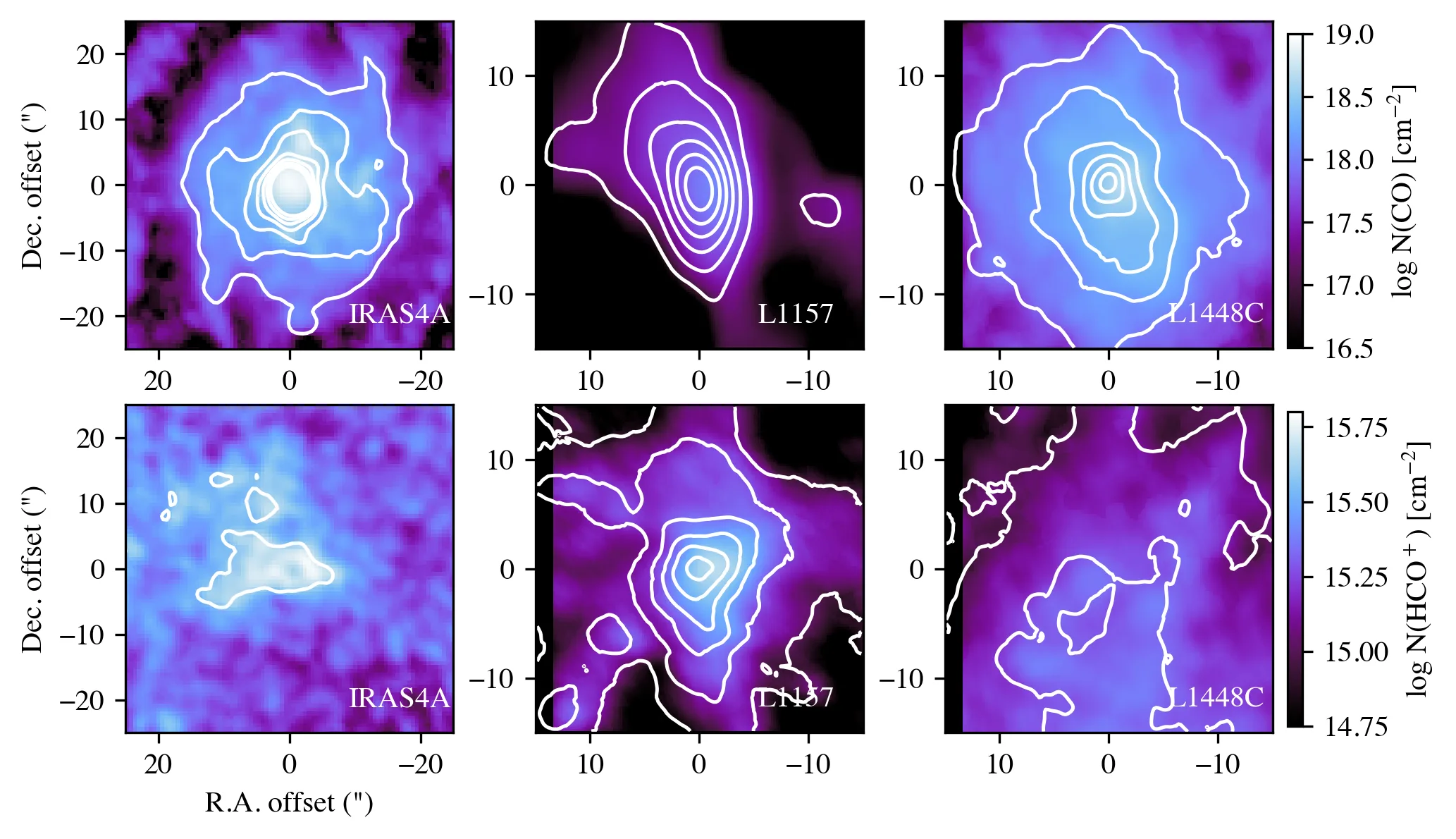
Astronomers pointed radio telescopes at three dense gas clumps around newborn stars in the constellations Perseus and Taurus. Using the faint glow of H13CO+ and C18O molecules, they calculated how often ionization happens there. The numbers surprised them: from once every ten thousand years to once every hundred years for each atom. In typical interstellar space, that happens once every five hundred thousand years.
So even before a star ignites and blows away its gas cloud, vigorous chemical processes are already underway. Molecules that will later end up in planets start assembling at the very earliest stage. This changes our picture of how the building blocks for future worlds form.
That same ionization that wakes chemistry in cold clouds will later drive weather on planets — from lightning to auroras.
The ionization rate in one of the clouds turned out to be a thousand times higher than in typical interstellar gas, like a sleepy town suddenly getting a round-the-clock power plant.