How an Alloy Melts: Patterns from the Melt express
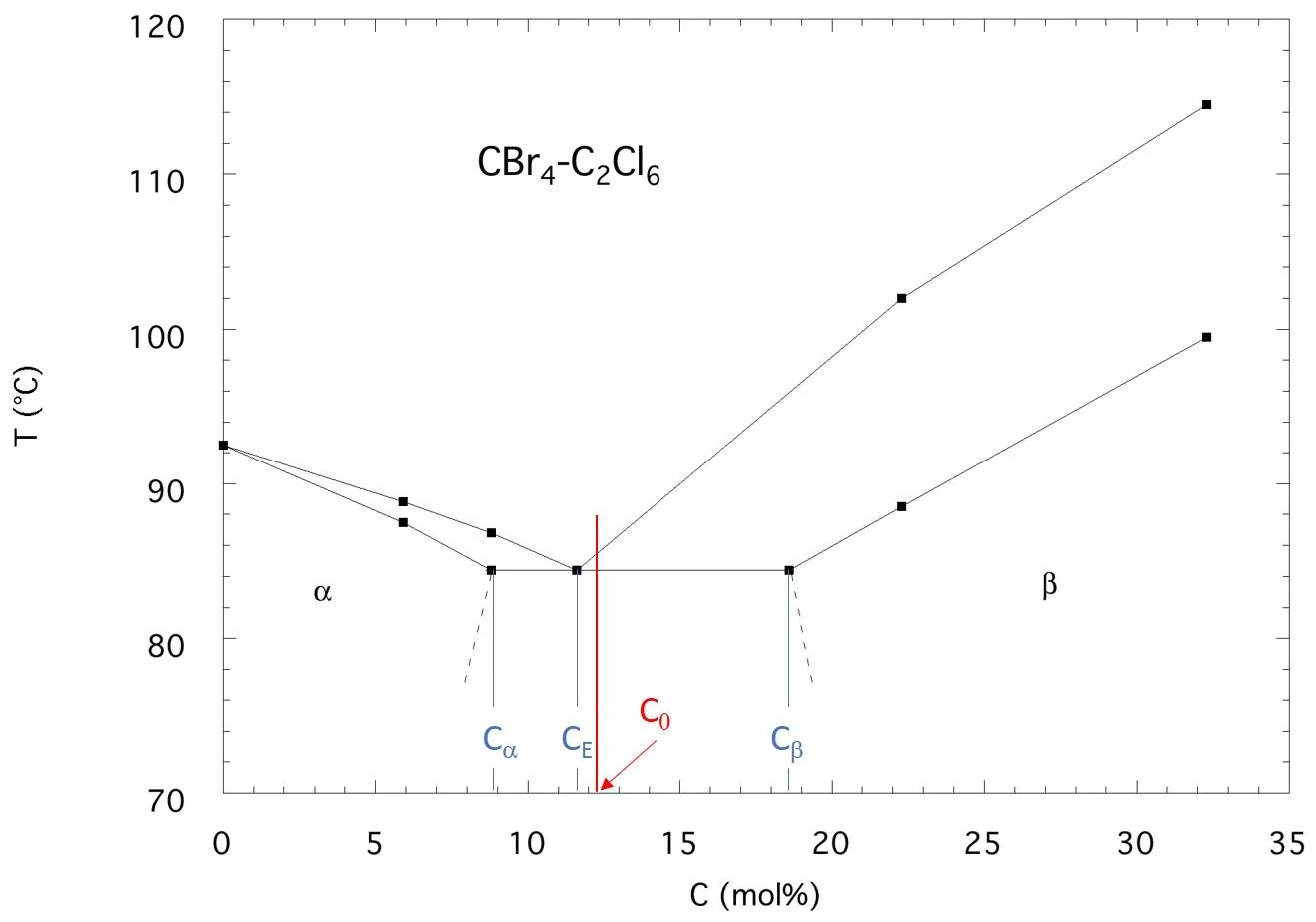
In a solid piece of tin-lead alloy, the layers of the two metals lie like pages in a book. When heated from one side, the layers don't melt uniformly but in whimsical tongues and fingers. Scientists studied this process using a transparent alloy that can be seen through under a microscope and compared it with a computer model.
With rapid heating, the liquid runs far ahead along the boundaries, leaving solid islands behind. With slow heating, fingers of one metal become thicker, pushing aside neighboring layers. And if the layers are initially packed very tightly, an unexpected effect appears: the pattern starts repeating every other layer, doubling its period.
These regularities help understand how metals behave in 3D printing, where powder is melted by a laser and immediately solidifies. Precise control of melting could make parts stronger and free of internal defects.
A transparent tin-lead alloy lets you see melting from the inside, like in an aquarium, even though both metals are opaque on their own.