Memory That Stays Cool express
An ordinary flash drive in your pocket gets warm even when it's just sitting there. Now imagine memory that, in the cold, uses almost nothing, like a thermos that never cools down. A superconductor carries current without loss at liquid-helium temperatures, but it couldn't store data. The new cell changes that.
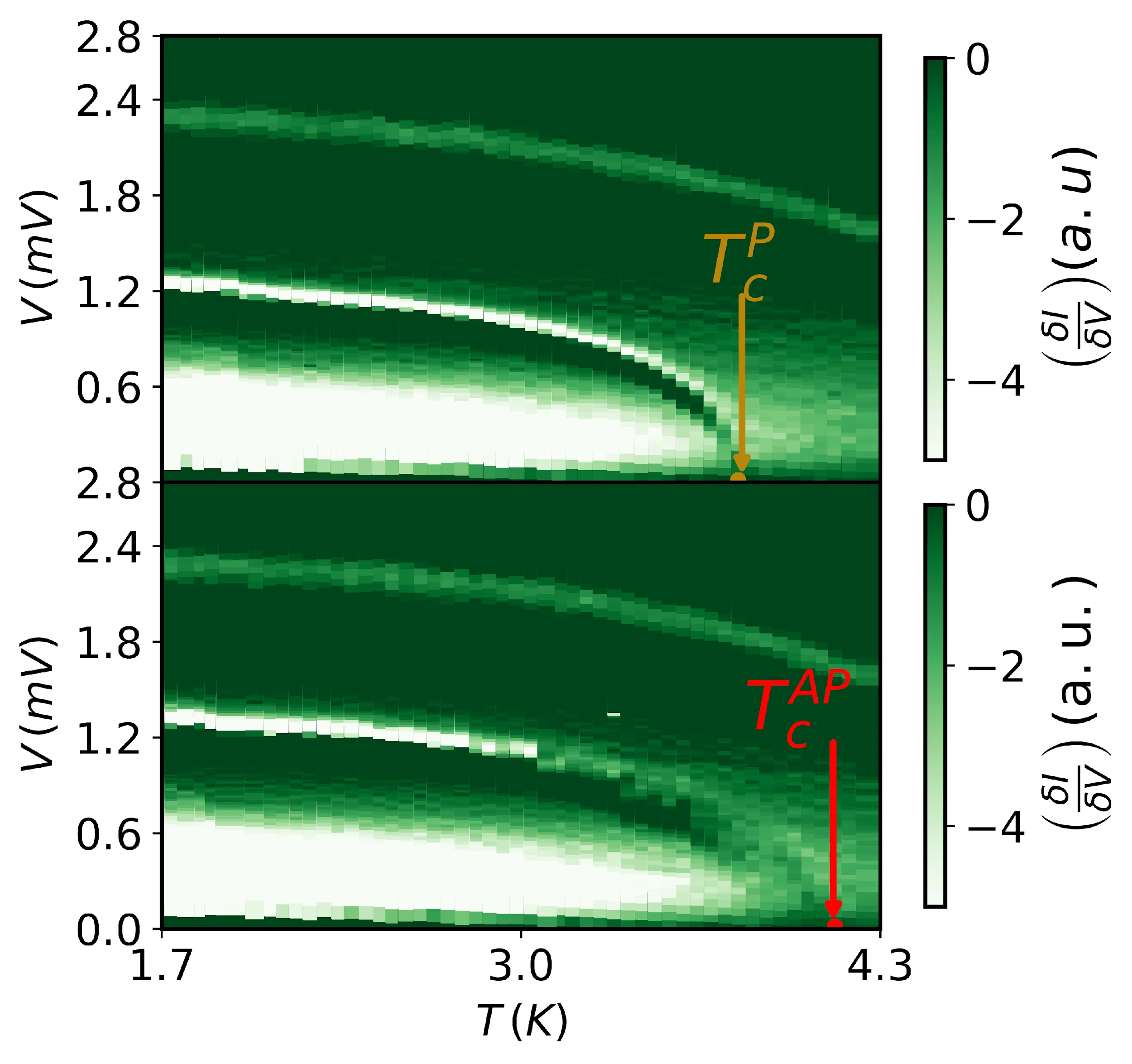
Inside is a layered sandwich of niobium and magnetic films. A magnetic field shifts the superconductor's energy gap, and the tunneling current through the barrier changes. This yields two clear voltage levels — zero and one.
Such memory is needed right next to quantum processors: ordinary electronics introduce heat and noise. Here, the design is vertical, like a stack of pancakes, which can be printed by the millions on a single wafer. A quantum computer gets a fast, cold "notebook."
At 0.25 kelvin (that's minus 272.9 degrees Celsius), even helium stays liquid, and the device still clearly distinguishes zero from one.