Light Working in a Team Measures Distances More Accurately express
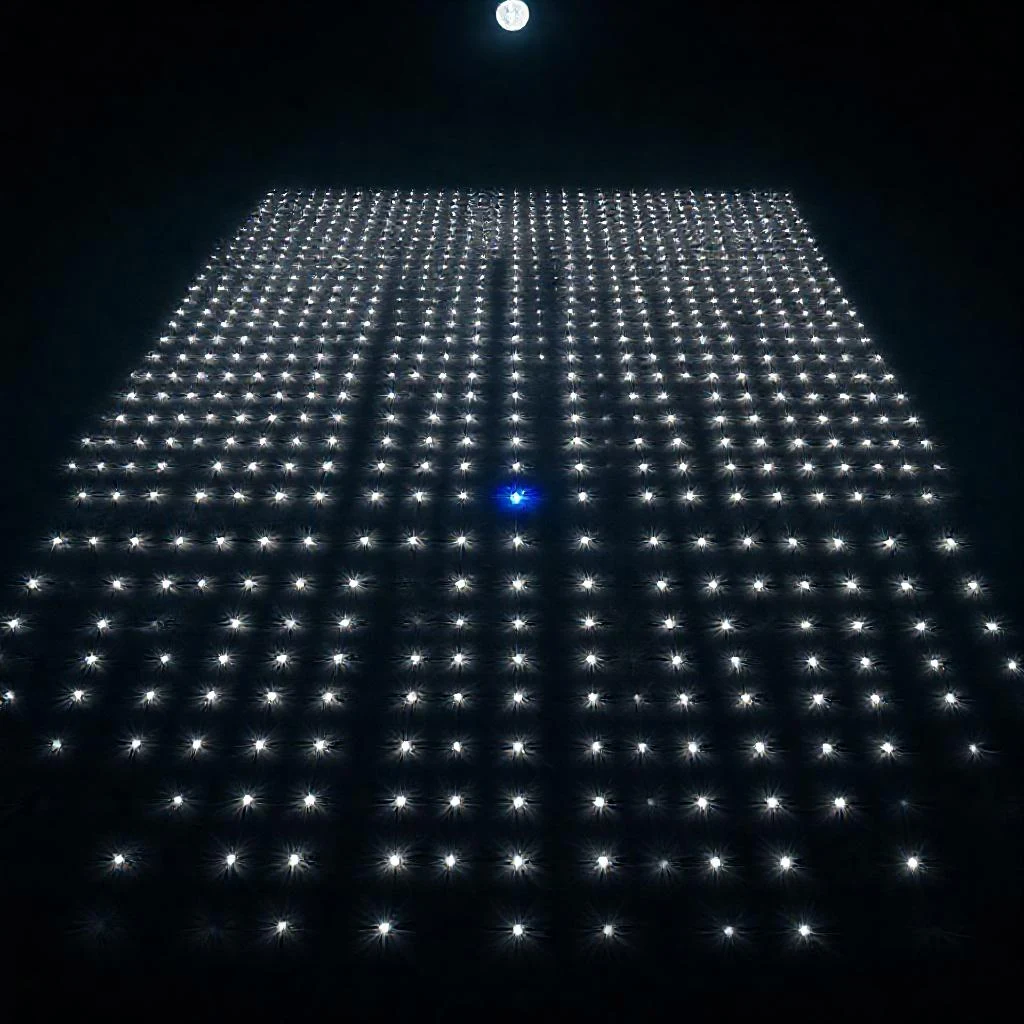
A regular rangefinder sends a single light pulse and waits for it to return — like a person shouting into the void and listening for an echo. But if you use multiple sources that glow in unison, and analyze not the volume but the rhythm of the echo of reflected flashes, the picture becomes sharper. The effect of synchronous glow — superradiance — is known from the work of [scientist:Roy Glauber]. Now it has been applied in photometry]: not just brightness, but the coherence of the flashes is measured.
With two such "fireflies" the error drops fourfold, and as the number of sources increases, the accuracy grows faster than a simple proportion. In practice, this means that future laser tape measures for drones and surveying will "feel" space with an error of fractions of a millimeter. Light working in a team notices what a lone one would have missed.
Synchronized flashes of fireflies are visible from afar — similarly, superradiance collects light into a powerful precise signal.
Droids from Star Wars with such rangefinders would gain an intuitive sense of distance.