Dark energy may be losing energy: explaining strange behavior express
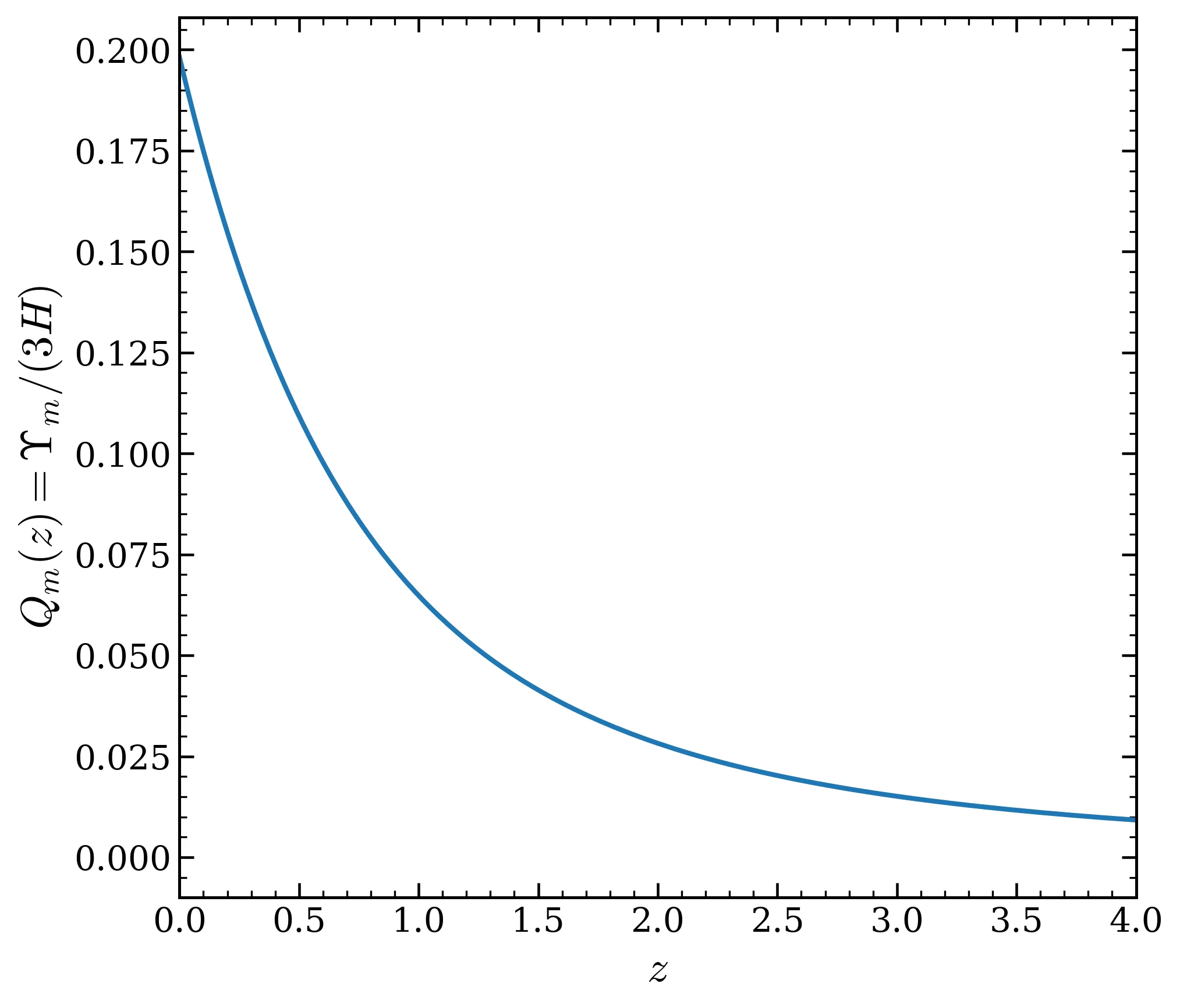
In the late 1990s, astronomers including Saul Perlmutter discovered that the universe is expanding at an accelerating rate. The cause was dubbed dark energy — an invisible force stretching the cosmos. For a long time, it was thought to be constant, but fresh data from the DESI telescope, which studies millions of galaxies via their light, showed: around 6 billion years ago dark energy changed its behavior, crossing a critical threshold beyond which its influence becomes even stranger. Physicists described this field like a pendulum. In a standard model, a pendulum meets no resistance and swings forever. But if you put it in a very thick fluid, it starts losing energy due to friction. Similarly, dark energy experiences an ultra-weak ‘friction’ that dissipates its energy and makes the expansion of the universe accelerate differently. No exotic hypotheses — just a natural energy loss. Previously, such a transition would have doomed the universe to a ‘Big Rip’ — a catastrophic end, but the subtle friction cancels this scenario.
The density of dark energy is so tiny that within the volume of Earth, it would amount to just a couple of kilograms — yet on cosmic scales, it determines the fate of the universe.