Time Loop from an Empty Universe express
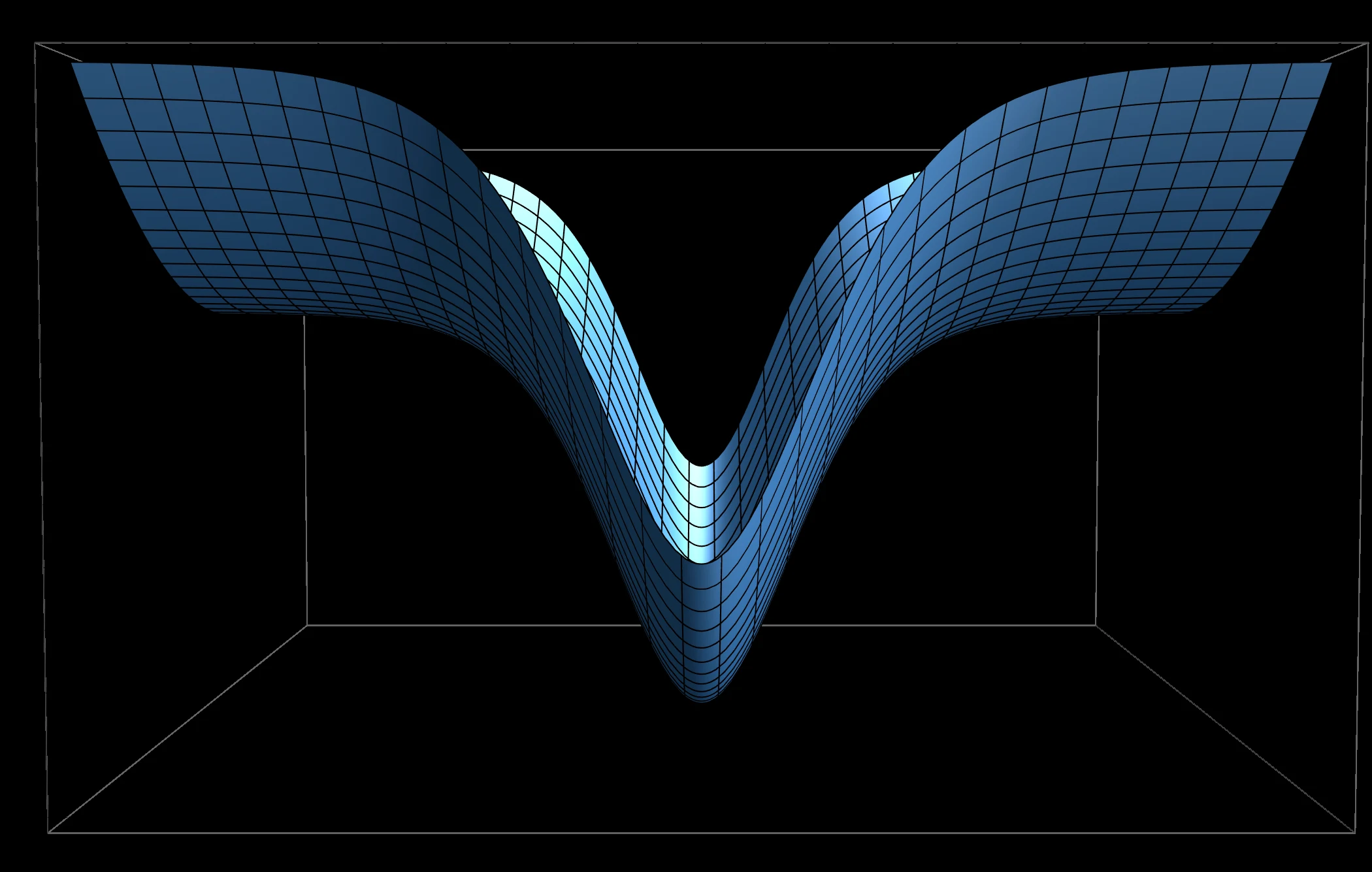
In the ocean, a whirlpool pulls everything into a closed loop, just as a gravitational wave in empty space twists time into a loop. Gravitational wave — a ripple in the fabric of spacetime, and its special shape can turn the usual flow of events into a closed cycle. In such a zone, an object can return to its own past without violating the laws of physics.
It was long believed that time travel required exotic matter with negative energy — a substance absent from the observable universe. The new model makes do with only the cunning geometry of spacetime curvature. The wave changes the direction of time just as a whirlpool's funnel reverses the motion of water. The speed of light remains a fundamental limit, but the local structure of space circumvents it, like a fold in a map shortening the route. Moreover, calculations show that such loops could have emerged in the first moments after the Big Bang and survived to this day at the quantum level.
If you ended up inside such a loop, you'd be forced to relive the same events over and over, like in 'Groundhog Day,' but with no chance of escape.
The idea recalls 'Interstellar': the heroes there also use curved spacetime as a portal to the past.