A Cookbook for Proteins express
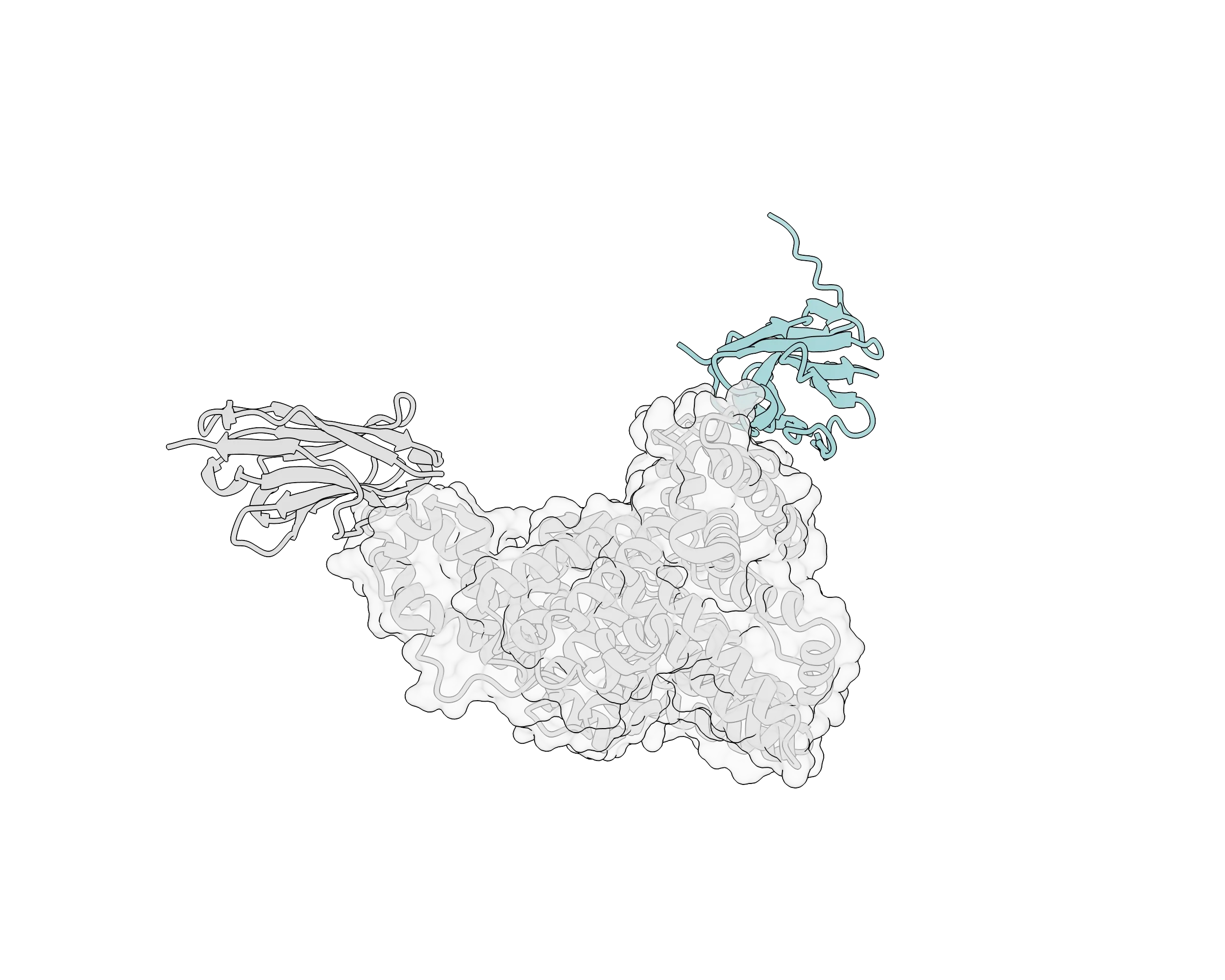
Think of a massive cookbook: each recipe is a protein, and the finished dish is its job in the cell. To whip up a complex treat, you often need to mix several ingredients and let them 'set' into the right shape. Until now, scientist-chefs could only guess how someone else's recipes would fold. The new program OpenDDE acts like an experienced head chef: it doesn't just read the recipe: it immediately sees how proteins 'fold' together (co-folding) and how that affects their function.
The key innovation is that OpenDDE isn't just a shape-prediction tool. It's a foundation for building systems to create new drugs: from computer-aided 'invention' of molecules to assessing their effectiveness. The authors identified two ways to improve such models — by increasing data and computational power. It's like finding a secret ingredient and a more powerful stove, which together make dishes tastier and tastier. Now any researcher in the world can download this 'culinary engine' and start cooking up their own drugs. So the shared recipe book that started it all is turning into a living kitchen where every chef adds their own touch.
Proteins in our bodies fold into complex three-dimensional structures in fractions of a second, but misfolding can lead to diseases like Alzheimer's.
In the movie 'I Am Legend,' a scientist searches alone for a cure to a virus; OpenDDE brings us closer to a world where such searches become a global network of researchers.