Gravitational Waves Turn into Light express
A thrown stone sends ripples across water. A gravitational wave is the same kind of ripple, but in spacetime. It is produced, for example, by the merger of two black holes. In classical physics, this ripple is eternal: once created, it travels through the Universe without fading.
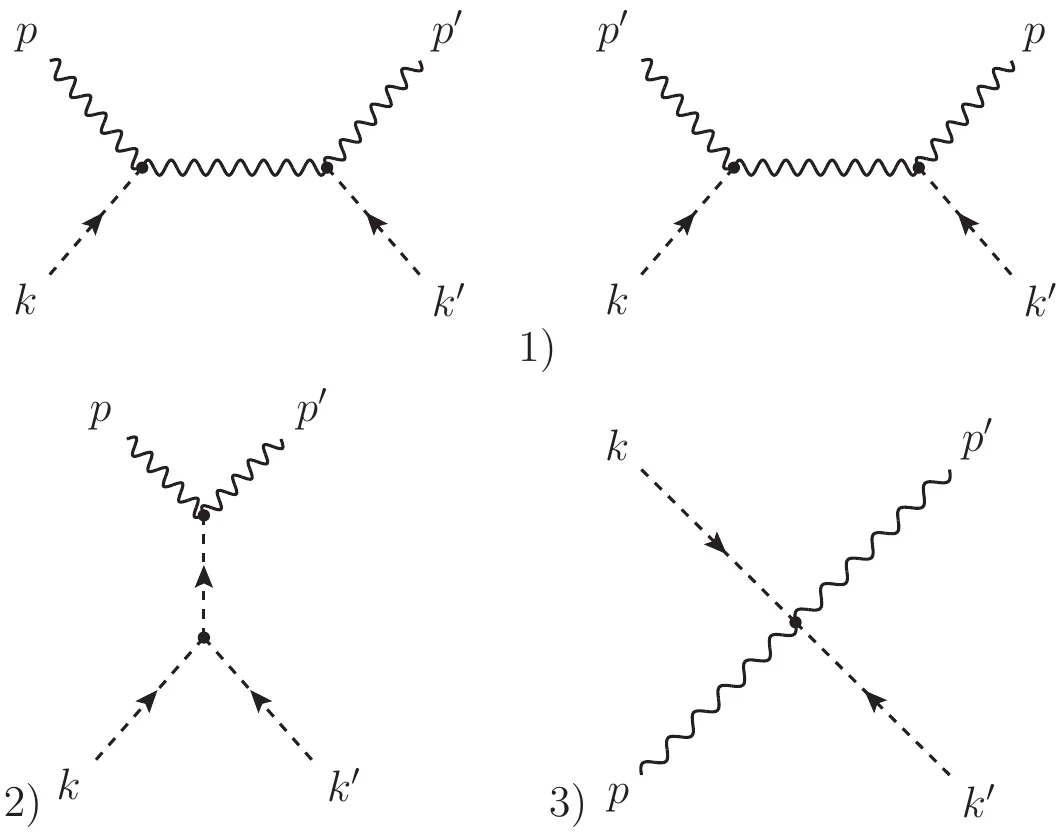
But gravity obeys quantum laws. The wave consists of tiny packets — gravitons (the particles that carry gravity). The researchers showed that a stream of gravitons can decay into pairs of photons — particles of light.
Classical physics forbids such a trick. This is a purely quantum phenomenon.
The decay leaves evidence. The born photons heat the cosmic microwave background (the cooled light of the Big Bang), add extra glow to intergalactic space, and can even split the nuclei of light elements like deuterium. The authors of the study estimated for the first time how strong the original gravitational waves must be for these traces to become noticeable. The constraints are still tight, but the principle itself opens a door: gravitational waves can be caught not only by detectors like LIGO, but also by their quantum echo in light.
Ripples on water disappear, turning into heat. Gravitational ripples are not eternal either: they can become light.
The graviton is so elusive that catching a single particle is unrealistic: it would require a detector the size of Jupiter. But collective effects, as in this work, make gravity accessible to study through its quantum habits.
In Carl Sagan's novel "Contact," an alien signal contains blueprints for a machine that uses gravitational waves. The decay of waves into light could be a key to deciphering such messages.