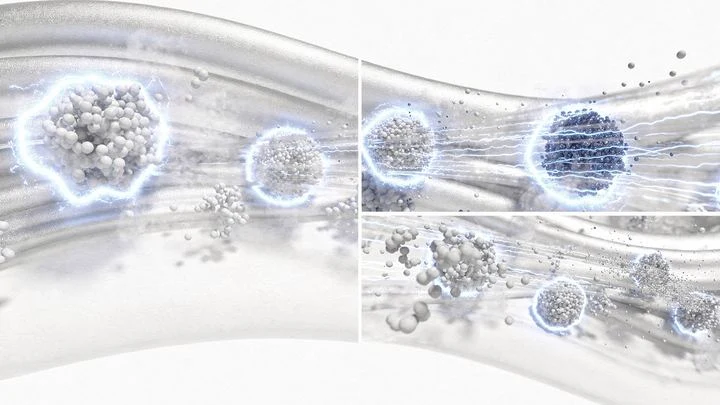
The cosmic ray spectrum describes how the number of cosmic ray particles—mostly protons and atomic nuclei, but also electrons and positrons—arriving at Earth changes with their energy. It spans an enormous range, from particles with energies comparable to those produced in laboratory accelerators up to ultra-high-energy particles millions of times more energetic than anything humans can create. The spectrum is not a simple straight line: it shows a steepening 'knee' around 10^15 eV, a flattening 'ankle' near 10^18 eV, and a sharp cutoff at the highest energies, each feature hinting at different sources and acceleration mechanisms.
التاريخ
The cosmic ray spectrum was first characterized in the 1950s and 1960s by experiments like the Volcano Ranch array, which discovered the first ultra-high-energy event in 1962. The knee and ankle features were identified in subsequent decades by instruments such as the KASCADE and Akeno arrays.
كيف يعمل
The spectrum is measured by combining data from many detectors: satellites and balloons for low energies, ground-based arrays for high energies, and fluorescence detectors that observe the faint glow of air showers. The flux falls rapidly with energy—roughly as a power law—so the spectrum is usually plotted with both axes logarithmic to reveal its structure. The knee is thought to mark the limit where supernova remnants can no longer confine and accelerate particles, while the ankle and cutoff likely reflect the transition to extragalactic sources and the interaction of ultra-high-energy particles with the cosmic microwave background.
في التطبيق
Understanding the spectrum helps astrophysicists identify cosmic ray sources, such as supernova remnants and active galactic nuclei, and also informs the design of radiation shielding for spacecraft and high-altitude aircraft.
حقيقة طريفة
The most energetic cosmic ray ever detected, the 'Oh-My-God' particle, had an energy of about 3 × 10^20 eV—comparable to a baseball pitched at 100 km/h, but carried by a single proton.
تبدو السماء الليلية هادئة، لكنها في الحقيقة ممطورة بمطر غير مرئي من الجسيمات المشحونة، وهي الأشعة الكونية. يحاول العلماء منذ زمن طويل فهم أين تولد أكثرها طاقة. حتى وقت قريب، كان يُعتقد أن مجرتنا تزود الجسيمات حتى طاقة تبلغ نحو 4 إلكترون فولت (EeV)، وهي ما يُسمى "الكاحل" في الطيف. لكن البيانات الجديدة تفرض إعادة النظر في هذا الحد.
في مركز درب التبانة، حيث يحرك الثقب الأسود الهائل "القوس A*" سحب الغاز كما تحرك الطاحونة أحجارها، رصد علماء الفلك نبضًا غير منتظم. أشعة غاما، وهي أكثر أشكال الضوء طاقةً في الكون، تصل إلينا من هناك ليس كموجة منتظمة، بل مع انكسار، وكأن قلب المجرة ينبض بعدم انتظام.
الأشعة الكونية هي جسيمات مشحونة (في الغالب بروتونات وأنوية ذرية) تتحرك في الفضاء بين النجمي بسرعات تقارب سرعة الضوء. يمكن أن تتجاوز طاقتها طاقة الجسيمات التي تصل إليها أقوى المسرعات الأرضية بملايين المرات.
تبدو السماء ليلًا هادئة، لكن في الواقع تمر عبرنا باستمرار جسيمات غير مرئية — الأشعة الكونية. من بينها إلكترونات وجسيماتها المضادة — البوزيترونات. عندما تصطدم بالكاشفات على الأقمار الصناعية أو البالونات، تسجل الأجهزة طاقتها. وهنا تبدأ اللغز: على الرسم البياني حيث يمثل المحور الأفقي الطاقة والمحور الرأسي عدد الجسيمات، لا نرى خطوطًا ناعمة بل انكسارات وتحدبات.
الأشعة الكونية لا تنتقل في خط مستقيم. فالجسيمات المشحونة، التي تسارعت إلى سرعات هائلة، تتعرج في المجال المغناطيسي للمجرة، مثل حبيبات الغبار في تيار الرياح. يُفترض عادةً أنها تتبعثر ببساطة على طول خطوط المجال وعبرها. لكن المجال يحتوي على انحناءات ودوامات تجعل الجسيمات تنزلق أيضًا جانبياً، مثل متزلج ينحدر على منحدر بشكل مائل.
في الأوركسترا، يعزف كل موسيقي دوره الخاص، لكن في لحظة معينة تتجمد جميع الآلات على نغمة واحدة. هذا تقريبًا ما تفعله الأشعة الكونية — الجسيمات التي تصل إلينا من نجوم بعيدة.
الأشعة الكونية هي جسيمات مشحونة تقصف الأرض باستمرار من أعماق الفضاء. عندما يدخل أحد هذه الجسيمات الغلاف الجوي، يصطدم بأنوية الهواء وينتج شلالًا كاملًا من الجسيمات الثانوية: إلكترونات، وميونات، وفوتونات. يُسمى هذا الشلال بالغيث الجوي الواسع، وقد يمتد لعدة كيلومترات.
الأشعة الكونية هي نوى ذرية تم تسريعها إلى سرعات قريبة من سرعة الضوء. تصل إلى الأرض من جميع الاتجاهات، ومن خلال تركيبها يمكننا معرفة ما يحدث في زوايا بعيدة من المجرة. جمع القمر الصناعي نوكلاون (NUCLEON) هذه الجسيمات لعدة سنوات، والآن أظهرت بياناته نمطًا غريبًا: كلما كان النواة نادرًا في الطبيعة، كان طيفه أكثر صلابة.
في الليل فوق التايغا السيبيرية، يظهر أحيانًا وميض ضوء أزرق خافت. ليس هذا هو الشفق القطبي، بل زخة كونية: جسيم واحد من الفضاء البعيد يصطدم بالغلاف الجوي ويتفتت إلى ملايين الجسيمات الثانوية. تتجه هذه الجسيمات إلى الأرض في جبهة عريضة، مثل موجة من حجر أُلقي في الماء، وتجعل الهواء يتوهج.
رصدت منشأتا «تونكا-133» وTAIGA-HiSCORE هذه الوميضات لمدة سبع سنوات.
الأشعة الكونية هي جسيمات مشحونة تصل إلينا من أعماق المجرة. إذا رسمنا رسمًا بيانيًا يوضح عدد الجسيمات التي تصل عند كل طاقة، نجد الخط مستقيماً ثم ينخفض فجأة بشكل حاد. تسمى هذه الانحناءات "الركب" (knees). وهي تشير إلى أن مسرعًا للجسيمات في الفضاء بلغ حده الأقصى ولم يعد قادرًا على تسريعها أكثر.
مثل المتسابقين في سباق طويل، تتسابق نوى الذرات - من الهيليوم الخفيف إلى الحديد الثقيل - عبر المجرة بأكملها نحو الأرض. عند خط النهاية، في الكاشف الموجود على منطاد على ارتفاع عالٍ، نرى أن النوى الثقيلة تصل أكثر إرهاقًا قليلًا من النوى الخفيفة. الفرق صغير، لكنه يتكرر من رحلة إلى أخرى.
عالياً فوق الأرض يحلّق قمر صناعي، وبداخله جهاز بحجم خزانة صغيرة. يلتقط جسيمات ظلت تندفع عبر المجرة لمليارات السنين حتى اصطدمت أخيرًا بالكاشف. تُسمى هذه الجسيمات بالأشعة الكونية، وهي تحمل إلينا أخبارًا عن انفجارات نجوم بعيدة.
جهاز NUCLEON على القمر الصناعي «ريسورس-بي» ظل ستة أشهر يجمع هذه «الرسائل من الفضاء».
في المرفأ الهادئ للفقاعة المحلية — وهي تجويف مخلخل من الغاز الساخن حول الشمس — دوى انفجار مؤخرًا. اشتعل مستعر أعظم على بعد عشرات الفراسخ منا، ولا يزال صداه يتردد في الأرجاء، مغيرًا صورة الأشعة الكونية.
لطالما اعتُقد أن تدفق الجسيمات من المجرة منتظم، كضوء مصابيح بعيدة متعددة.
عالياً فوق القارة القطبية الجنوبية، رفع بالون جهازًا لالتقاط الإلكترونات القادمة من الفضاء. تصل هذه الجسيمات من انفجارات نجوم بعيدة وأحداث قوية أخرى. قام الجهاز بقياس طاقتها — أي قوة اصطدامها. وفي أحد نطاقات الطاقة، وُجد أن عدد الاصطدامات أكبر مما توقعته الحسابات.
أظهر التحليل الأول للبيانات حدبة عريضة على الرسم البياني: كما لو كان هناك تيار إضافي في تدفق الجسيمات. الآن، تمت معالجة نفس البيانات مرة أخرى بطرق مختلفة.
عالياً فوق الغطاء الجليدي لأنتاركتيكا، ظل بالون يحمل كاشفًا معلقًا لمدة عشرين يومًا. كان يلتقط جسيمات صغيرة جدًا، ظلت تحلق نحونا لملايين السنين قادمة من انفجارات نجمية بعيدة. الآن، فك العلماء حمولته وأخبرونا عن الطاقة التي حملتها البروتونات ونوى العناصر المختلفة.
اتضح أن الجسيمات ليست كلها متشابهة.